Survey finds that more than half of Virginia families with children face food insecurity
Hunger has increased since last year and fewer people are donating to food banks, managers say.
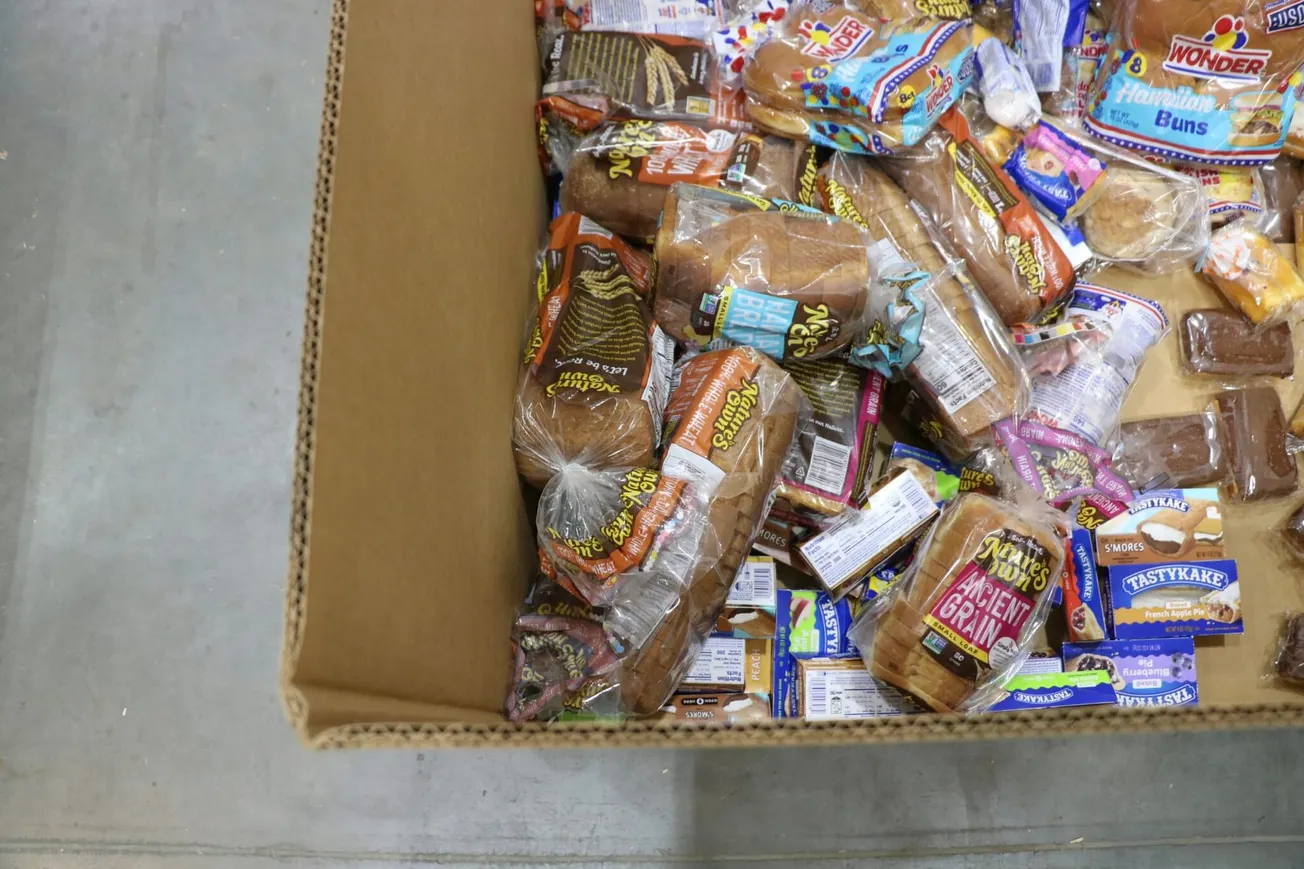
The Federation of Virginia Food Banks, the Virginia Department of Social Services and No Kid Hungry Virginia commissioned a statewide survey that found 51% of families with children were food insecure.
The survey picked up where the U.S. Department of Agriculture’s annual survey to assess hunger left off. The final federal survey, which ended in 2025 after nearly three decades of publication, found 42% of Virginia respondents were considered food insecure over the past year.
The new state survey was conducted by an independent and nonpartisan research organization at the University of Chicago, with research support from Virginia Tech. A total of 5,600 Virginians participated.
President Donald Trump’s administration labeled the USDA’s annual survey “redundant,” “a means to support the increase of (Supplemental Nutrition Assistance Program) eligibility and benefit allotment,” and a politicized tool used to “fear monger,” when announcing its end.
But proponents said the survey and other estimates inform the government’s critical social services decisions.
Federation of Virginia Food Banks director Eddie Oliver said annual food security data helps organizations like his know how to best target assistance in areas that need it most.
More people are now relying on the entity’s 1,100 partners around the state amid rising inflation, Oliver said.
There were also notable upticks during last fall’s government shutdown and congressional debates over the H. R. 1 spending bill that changed federal food assistance standards.
“Too often, food is the thing that gets sacrificed because you have to pay your rent, or you get evicted, you have to make your car payment, or you lose your car,” Oliver said.
Families use different strategies to cope when finances get tight, he added, and “too often they start skipping meals, buying less healthy food that might be more affordable, and that is anecdotally what we’re hearing a lot of right now.”
Jackie Green-August, director of Total Life Center of Southside Virginia, said most of her pantry’s visitors have started visiting more over the past year, but food donations to the pantry have narrowed.
The pantry serves Nottoway County, an area where 18.5% of the roughly 15,500 population lives below the poverty line.
“These are real people with real issues,” she said as she described her neighbors’ struggles maintaining rent, utilities, groceries and medicine costs.
She described how a former visitor had declared she wouldn’t need the pantry anymore when she got a new job, but needed to come back within two months “because it wasn’t enough to make ends meet.”
Food insecurity has been a growing concern among elected officials and state agencies since Congress passed H.R. 1 last summer and SNAP eligibility shifted.
Able-bodied adults can keep their benefits if they meet new volunteer criteria. Green-August noted how transportation costs, however, have been a longstanding hurdle for some of Nottoway County’s residents — even before prices at the pump shot up this year.
Inflation has also played a role in weakening food security for some households. Eighty-seven percent of survey respondents noted that higher-than-usual grocery prices are causing strain.
Over the past year more than 100,000 Virginians have lost their SNAP benefits.
“This study underscores what is at stake,” VDSS Commissioner Duke Storen said in a statement.
Food access plays a role in overall health from preventing to managing certain diseases. The survey found that three out of four food-insecure adults have been diagnosed with one of more chronic conditions and three in five have visited an emergency room or urgent care facility at least once over the past year.
Storen emphasized that Gov. Abigail Spanberger’s administration is focused on preventing eligible people from losing their benefits, including Medicaid.
H.R.1 also places 300,000 people at risk of losing their health insurance next year and 5,800 lawful immigrants are slated to lose theirs by next month. Spanberger signed an executive order to streamline inter-agency collaboration on compliance with H.R1.
Doing her part to help keep her community healthy is what drives August-Green to maintain the food pantry. At one point the panty’s building was up for sale, she said, but her team was able to stay after visitors made calls to Nottoway’s board of supervisors.
Communications with local, state and federal government, she added, is important in navigating food access issues.
“It’s been a challenge,” she said. “And this is not only my challenge; it’s everyone’s challenge.”
Virginia Mercury is part of States Newsroom, a nonprofit news network supported by grants and a coalition of donors as a 501c(3) public charity. Virginia Mercury maintains editorial independence. Contact Editor Samantha Willis for questions: info@virginiamercury.com.