'What Diwali means to me' – Henricoans of Indian descent explain the significance of a holiday sparkling with religious observances, culinary treats and tradition
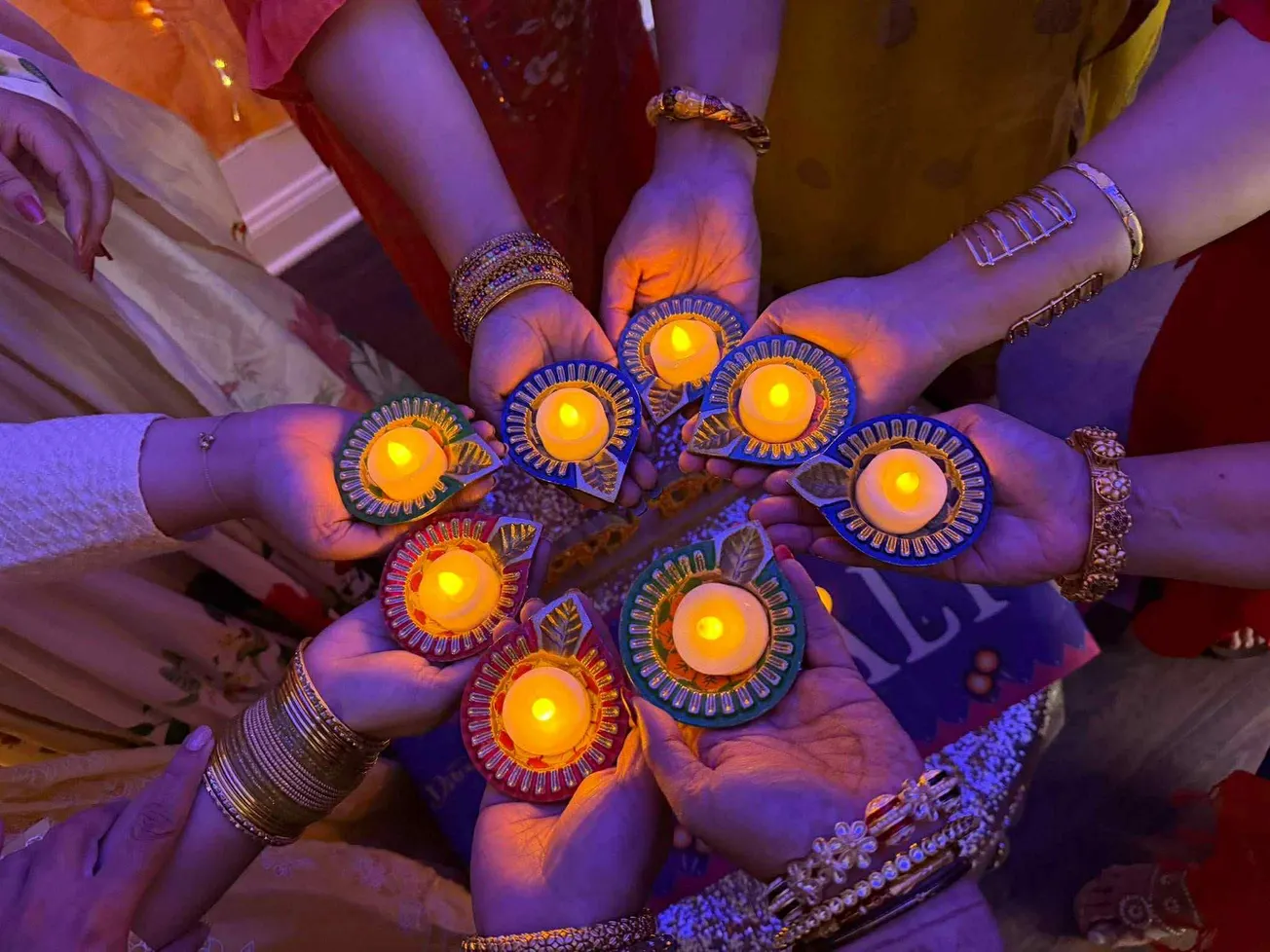
Diwali, the Hindu Festival of Lights, takes place this weekend. It is one of India’s most significant festivals, celebrated for thousands of years.
The U.S. Census estimates that the Indian population in Henrico County totals 16,149 residents – almost 5% of the county’s total population – with the Short Pump and Wyndham areas being the biggest concentration of people from South Asia.
Signs staked in grass medians offering to help string Diwali lights bely the demand to bring traditional illuminations that mark the holiday. And Henrico County Public Schools has acknowledged the significant population’s observances by marking Diwali as an official holiday on Monday, Nov. 9.
Diwali is observed religiously, communally and in homes – through food, special dress, decorations and light. The holiday symbolizes the victory of good over evil, light over darkness, and knowledge over ignorance. According to the Hindu epic Ramayana, Diwali celebrates the return of the Hindu deities Lord Rama, Goddess Sita, and Lakshmana to Ayodhya after 14 years of exile and Lord Rama’s victory over the demon king Ravana. The people of Ayodhya welcomed them by lighting thousands of oil lamps, or diyas, illuminating the entire kingdom.
The lamp lighting and decorating tradition continue today as families decorate their homes with diyas, colorful rangoli (traditional Indian folk art in which intricate decorative patterns are drawn on the floor, usually at the threshold or entrance of a home), flowers, and lights.
Hindu devotees worship the Goddess Lakshmi, seeking blessings for prosperity, happiness, and well-being.
The Henrico Citizen asked residents of the county who observe Diwali to write in their own words what the holiday means to them; the responses of several appear below.
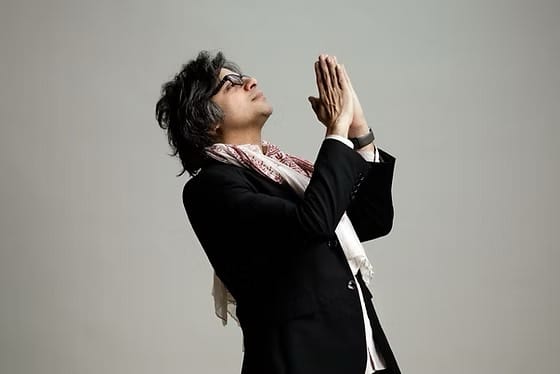
Musician Prabir Mehta describes himself as rooted in India and sculpted in Virginia. The Freeman High School and Virginia Commonwealth University graduate’s music is a bridge between east and west. Traditional raga melodies from India turned into riffs he played on guitar, and then all fused together in a harmonic and melodic presentation. Beyond music, Mehta has been a producer of several cultural events, highlighting Indian communities, and various parts of Virginia.
My family and I immigrated to the United States from India in the late 1980s. Until then, our world revolved around Ahmedabad, Gujarat, and Bombay, now Mumbai. Diwali was woven into my earliest memories: sweet treats, little diyas, and visits with family. In Mumbai, where the temperature felt relatively constant, celebrations helped me grasp the passing seasons.
Moving to America changed that. We were learning new cultural rules, and our primary objective was to fit in. I was often the only Indian kid in my classroom. Walking through malls or grocery stores reminded me that the culture that once surrounded us was no longer easily accessible.
We put down roots through Christmas parties, Thanksgiving dinners, Halloween costumes, and Fourth of July celebrations. These traditions helped us build relationships with neighbors, coworkers, and schoolmates. But for me, assimilation also meant a gradual fading of familiar things. Guitars replaced harmoniums. Parties with friends replaced Garba dancing with the community. Indian holidays began slipping away.
In 2019, I visited India. A few months after I returned, the pandemic brought the world to a pause. Suddenly, I had time to process that trip and the layers of culture woven into everyday Indian life. I missed the food, the people, and the sounds. I realized I wanted to keep those parts of myself alive.
Beginning in 2020, I redirected my music and community work toward those roots. I started exploring classical Indian music on guitar. The instrument that had connected me to America became a way to reconnect with India.
I began collaborating with Indian artists and organizing Diwali celebrations in Richmond, knowing what those gatherings could mean to others who missed home. Today, I am proud of the music we are making and the communities coming together around it.
This year’s celebration at Hardywood West Creek brought together Indian artists, craftspeople, musicians, and dancers. Gatherings like these remind us how much we have to share. They also remind me that embracing my Indian heritage and loving my American life can exist in harmony.
Diwali was once a celebration marked on my calendar. Now, it is an opportunity to spread light over darkness: bringing people together, playing music, giving artists a stage, and welcoming people into traditions they may be encountering for the first time.
On Nov. 7, I am excited to celebrate Diwali with new music and a concert in Charlottesville, Virginia. There will be lights, food, and family. There will also be something I could not have understood as a child: the joy of finding my way back to a culture I once thought I had to leave behind.
India has given me a lifetime of inspiration. Diwali gives me a way to share it. Every gathering is a chance to pass along something I was lucky to receive, and to make room for someone else to feel at home. That is the light I hope to carry forward through my music, my friendships, and the communities we continue building together in America.
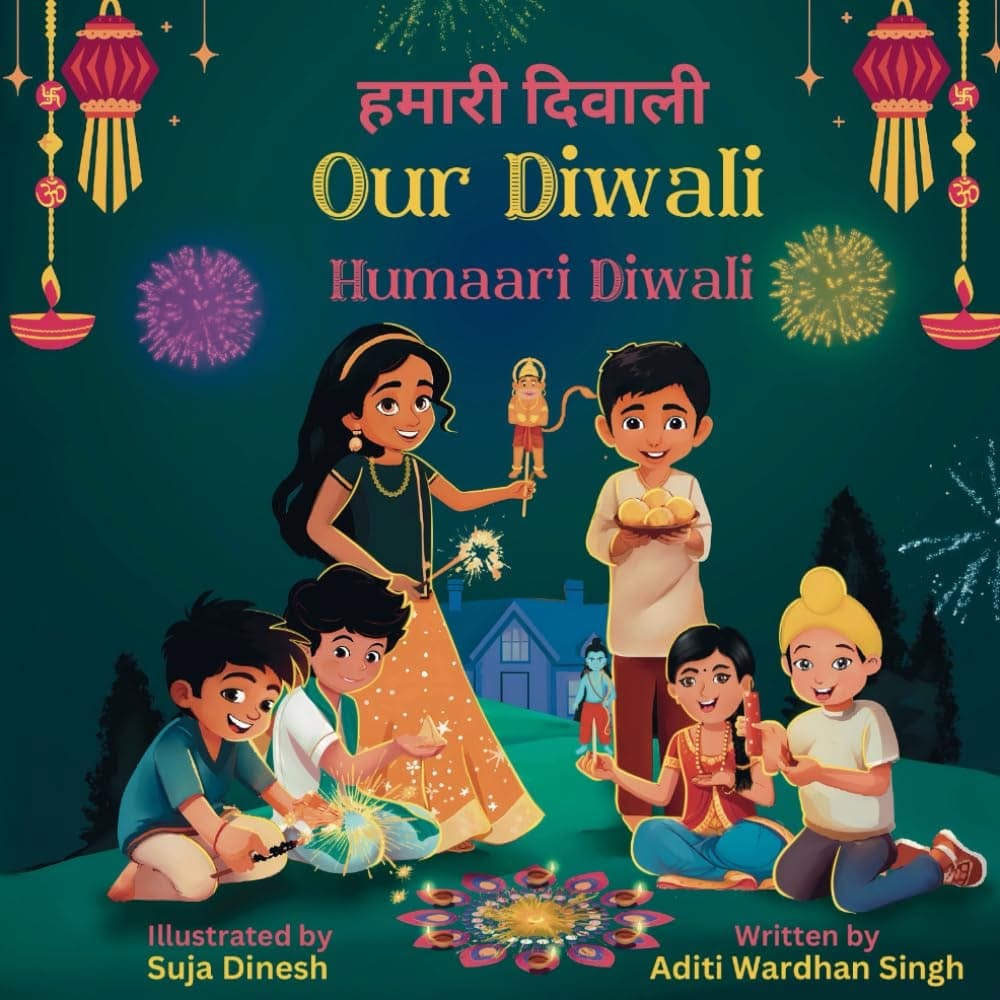
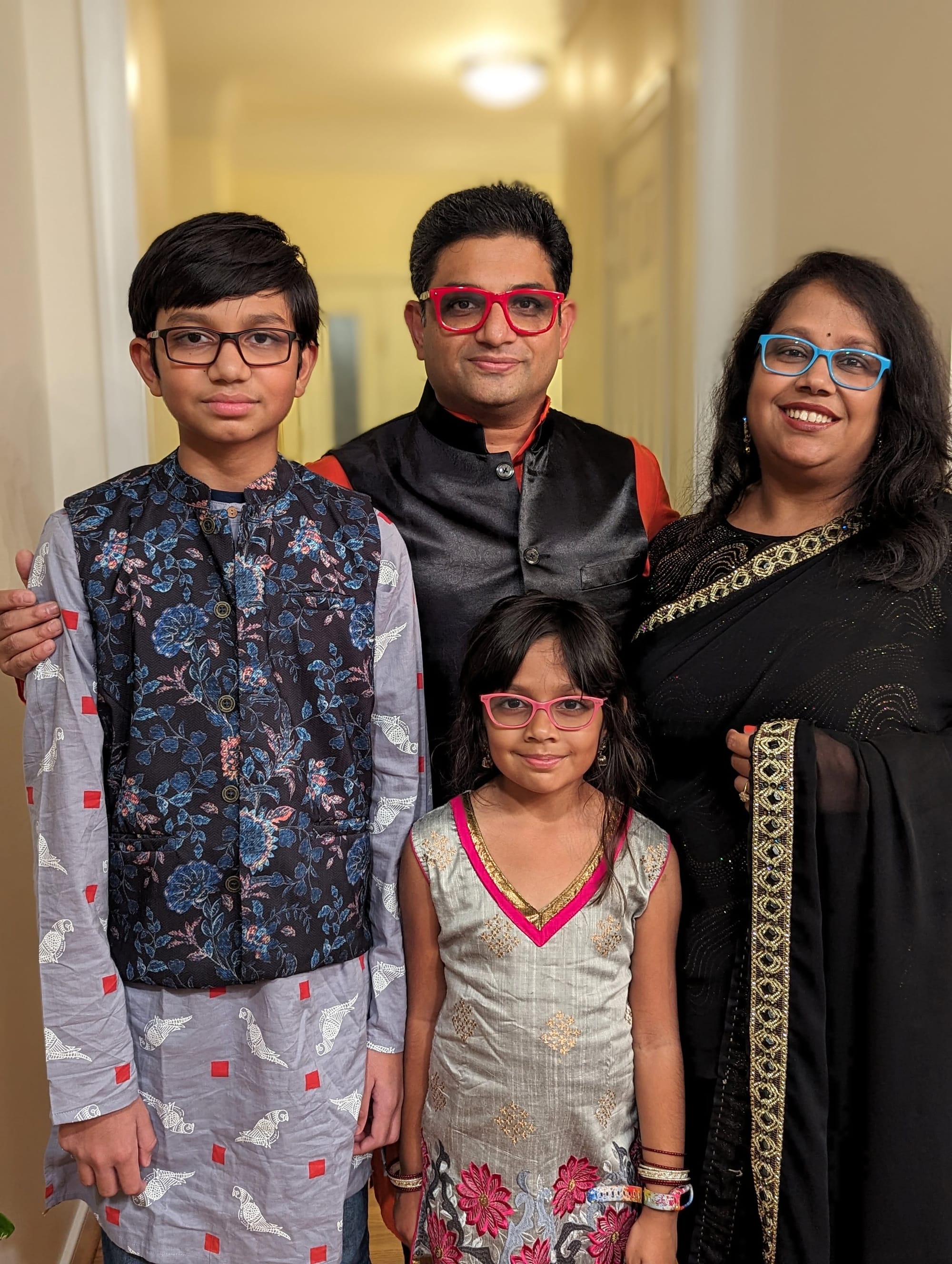
Aditi Wardhan Singh at right with her family during a Diwali celebration and a book she authored about Diwali (left). (Contributed photos)
Aditi Wardhan Singh is a Short Pump resident and an award-winning author, writing coach and founder of RaisingWorldChildren.com. She is one of the leading voices in cultural sensitivity and belonging.
My journey of writing Diwali books began with a simple wish from my son. He wanted to celebrate Diwali with his preschool friends, children from different walks of life. That wish inspired me to write Sparkles of Joy, a story about Diwali, Christmas and Hanukkah, all bringing the light of hope and togetherness into one festive playdate.
Growing up in Kuwait, my experience of Diwali was always about community. Our home was open to everyone, and during Diwali, it would be filled with neighbors and friends. The house smelled of homemade food, smoke from the kitchen, and sparklers. My mother made all the food herself, and there was always enough to share.
For me, Diwali was never just about lighting sparklers. It was about the traditions that meant learning from timeless stories from all cultures and the entire community coming together. It was about hospitality, friendship, laughter, and creating memories with people who may not necessarily share your traditions but are happy to be part of them.
“Sparkles of Joy” went on to become a bestseller for three consecutive years. But its success also made me reflect on something bigger.
One day a girl said to her mom during my storytime, “I didn’t know we celebrate Diwali because of Bandi Chor Diwas!” [a Sikh holiday that coincides with Diwali and is celebrated together] And this kept happening. While I loved seeing children from different backgrounds learn about Diwali, I realized that many children of Indian origin themselves didn't fully understand the diversity behind the festival.
They also needed to know the deeper meaning of Diwali. The beauty of its significance across cultures. Sikhs, Jains, Buddhists celebrate for different reasons, and people from different states have different traditions, and even different names for the festival, not to mention the variety of food!
That realization inspired me to write “Our Diwali.” India is incredibly diverse, and I believe we cannot talk about inclusion while presenting just one narrative of an entire culture.
I also wanted the book to reach families in languages closest to their hearts. That is why “Our Diwali” was published in four Indian languages: Hindi, Punjabi, Gujarati, and Marathi. Language is an important bridge between generations, and I wanted more families to share these stories with their children. Through each of my books, I challenge stereotypes, encourage awareness, and help children appreciate the many layers of their own identity. Receiving the International Impact Award for “Our Diwali” made the journey even more meaningful.
Diwali has always been about more than a festival. It is about bringing people together. And that is the story I want the next generation to inherit.
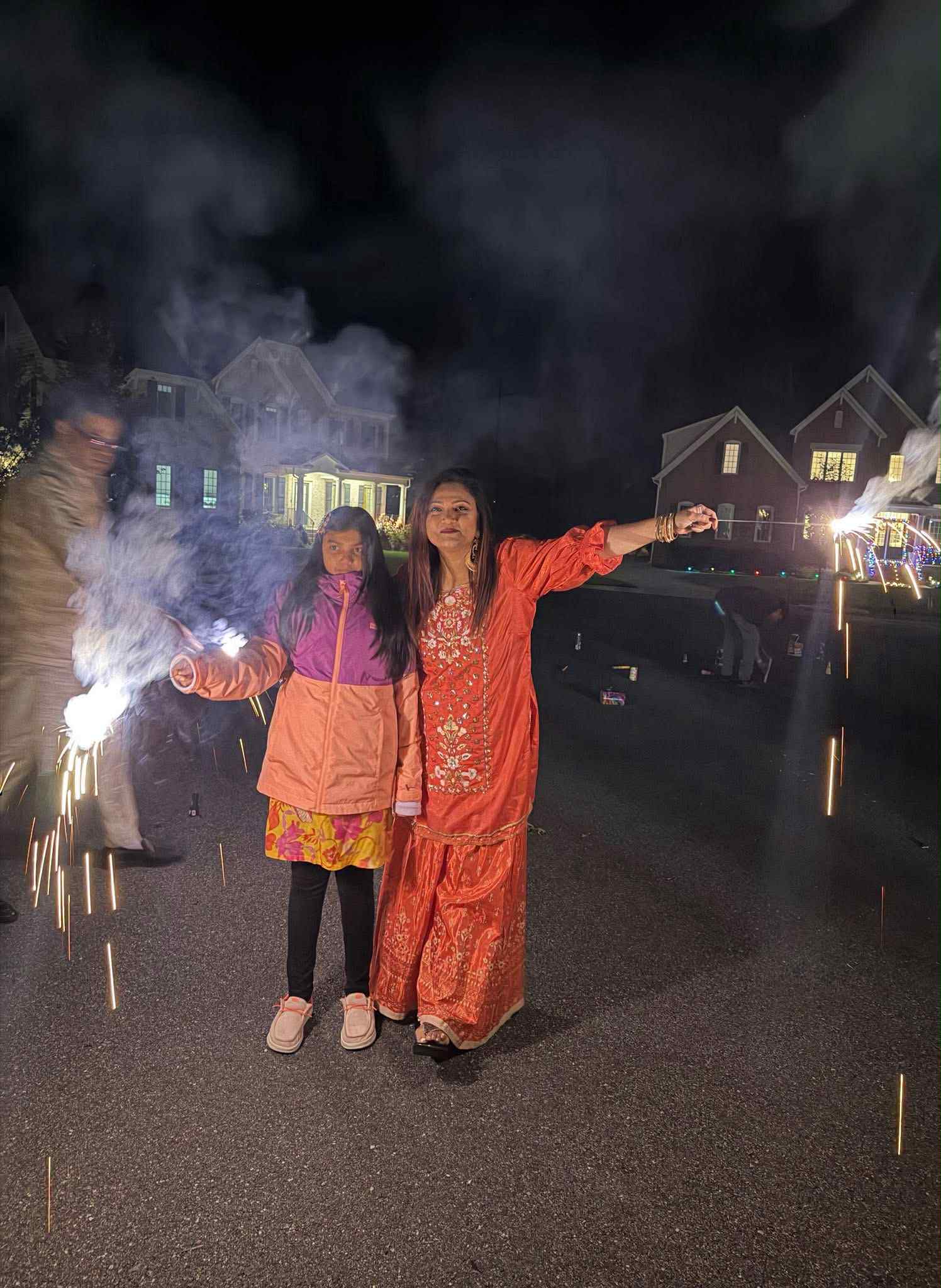
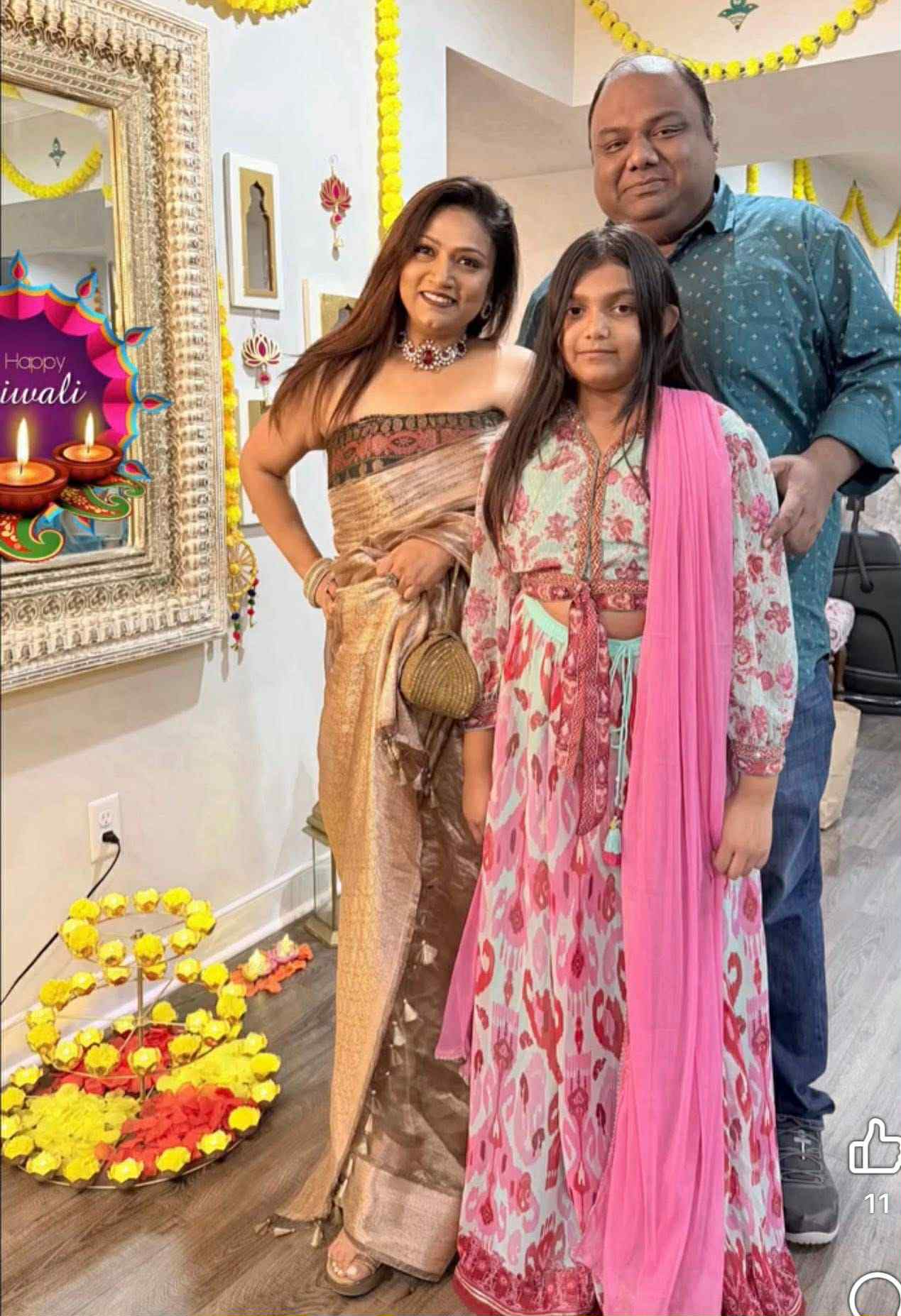
Suronita Das and her daughter Aishani with sparklers during Diwali (left) and Das with Aishani in pink and her husband, Sandipan Biswas (right) dressed for a Diwali celebration. (Contributed photo)
Suronita Das is a technology professional, who currently serves as president of the Greater Richmond Bengali Association (GRBA), She lives in the Henrico area with her husband, Sandipan Biswas, and their 10-year-old daughter, Aishani, who was born in the United States. She is passionate about celebrating cultural diversity, preserving her Bengali heritage, and sharing those traditions with the next generation. Das is from Kolkata, West Bengal, India, a city known for its rich culture, traditions, and vibrant festivals.
Preserving our cultural heritage and passing it on to our daughter is especially meaningful to us. For me Diwali is more than just a festival of lights. It symbolizes the victory of light over darkness, good over evil, and hope over despair. It is a celebration of positivity, gratitude, family, and togetherness. Growing up in Kolkata, Diwali was always magical. In our Bengali culture, we also celebrate Kali Puja during this time, worshipping Goddess Kali, who represents strength, protection, and the triumph of good over evil. I still cherish my childhood memories of decorating our home with diyas (traditional oil lamps), watching the streets and neighborhoods sparkle with lights, enjoying delicious homemade sweets, and celebrating with family and friends.
Those memories remain close to my heart. Celebrating Diwali in Henrico Today, thousands of miles away from Kolkata, we continue those traditions. We decorate our home with colorful lights and diyas, offer prayers, prepare traditional Indian food and sweets, and celebrate with our wonderful group of friends, who have become our extended family here.
One of our favorite parts of Diwali is gathering with friends and enjoying fireworks together. The excitement, laughter, beautiful lights, and festive atmosphere remind us of our celebrations back in India. It is a wonderful way to bring a little piece of Kolkata into our lives here in Virginia.
As parents, one of our greatest joys is watching our daughter, Aishani, experience and embrace these celebrations. Although she was born and raised in America, we want her to understand the meaning behind Diwali, the significance of our Bengali traditions, and the importance of family, kindness, gratitude, and togetherness. She loves decorating our home, lighting diyas with us, dressing up in traditional Indian attire, spending time with friends, and enjoying the fireworks.
For us, it is important that she grows up feeling equally proud of her American identity and her Indian heritage. Diwali gives us a beautiful opportunity to connect those two worlds.
What I miss most about Kolkata is celebrating Diwali and Kali Puja (a Hindu festival dedicated to the fierce and compassionate Goddess Kali) with my parents, extended family, and the entire neighborhood.
There is something truly special about the festive atmosphere in Kolkata, where every street glows with lights and every home feels filled with happiness. While we cannot recreate everything from back home, but our friends here in Henrico have become family. Together, we have created our own beautiful traditions and memories. To me, Diwali is not just about lighting lamps or enjoying fireworks. It is about keeping the light of our culture, memories, and traditions alive, no matter how far we are from where our journey began.
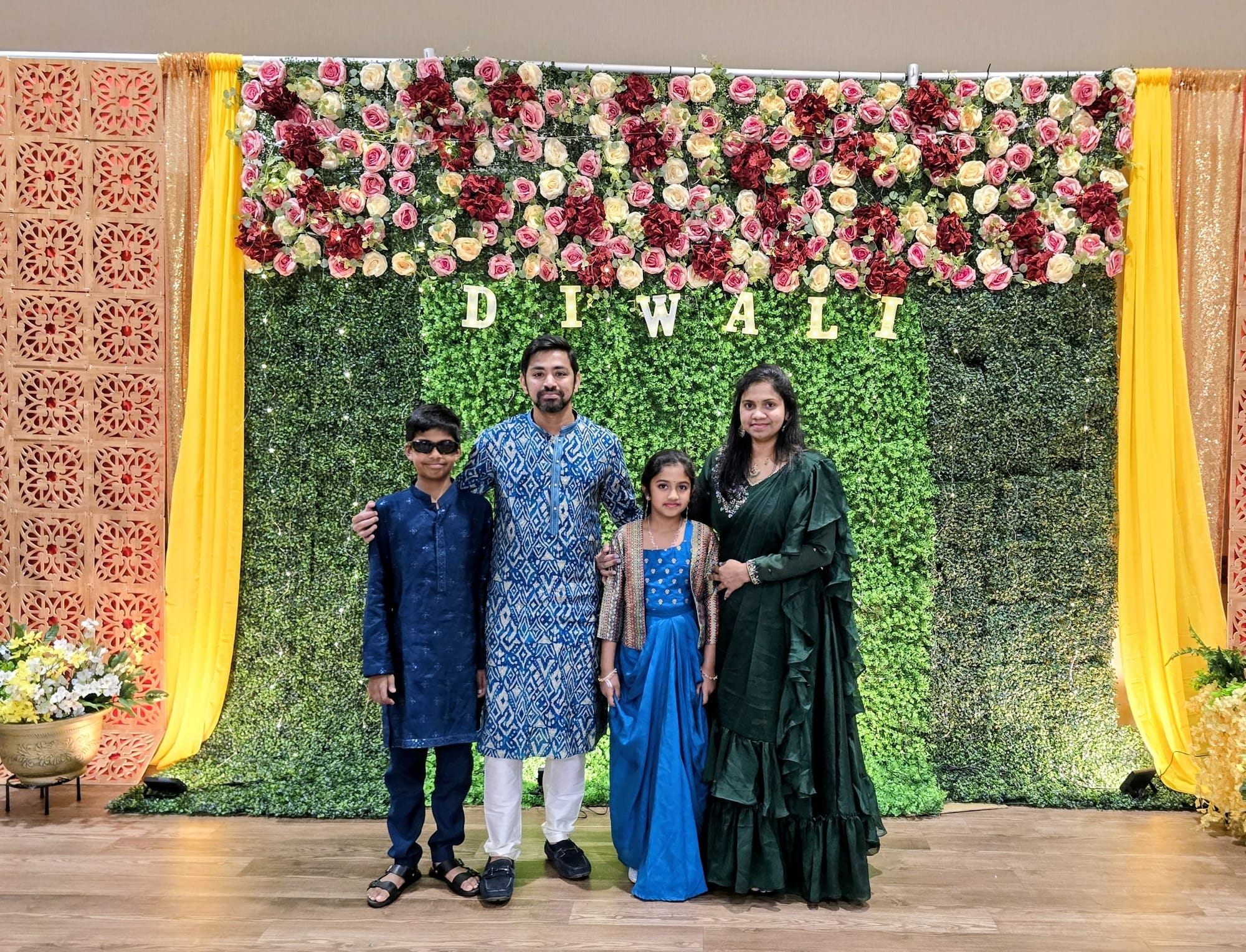
Rohit Ambala is a Twin Hickory resident in the Glen Allen section of Henrico County who works in high tech. He also devotes significant time to fitness as a marathon runner who enjoys being active in the local running community. Originally from Telangana, a state in South India, where Diwali is one of the most joyful festivals of the year, Ambala wrote about what the holiday means to him.
Growing up in Telangana, Diwali was always a special time for me and my family. I have many childhood memories of lighting small oil lamps, decorating our homes, wearing new clothes, enjoying delicious food, and celebrating with family and friends. Even though I am now far away from my hometown, Diwali continues to hold a special place in my heart.
Diwali is known as the Festival of Lights. It celebrates the victory of good over evil and light over darkness. In Telangana, families celebrate Diwali by cleaning and decorating their homes, lighting traditional oil lamps called diyas, creating colorful designs called rangoli at their doorsteps, and praying to Goddess Lakshmi for happiness, health, and prosperity. Many families also enjoy fireworks and exchange sweets and gifts with friends, relatives, and neighbors.
Food is an important part of our Diwali celebrations. Families prepare special homemade sweets and snacks such as laddoos (sweet round treats), sweet rice cakes, sweet dumplings, crispy savory snacks, and other traditional Indian dishes. Sharing these homemade treats with family, friends, and neighbors makes the festival even more special.
Although I now live in Virginia, I enjoy celebrating Diwali and keeping these traditions alive. I want to pass them on to my children, so they understand our culture and stay connected to their roots. We celebrate by decorating our home with lights and diyas, wearing traditional Indian clothes, preparing special food, and spending quality time with family and friends.
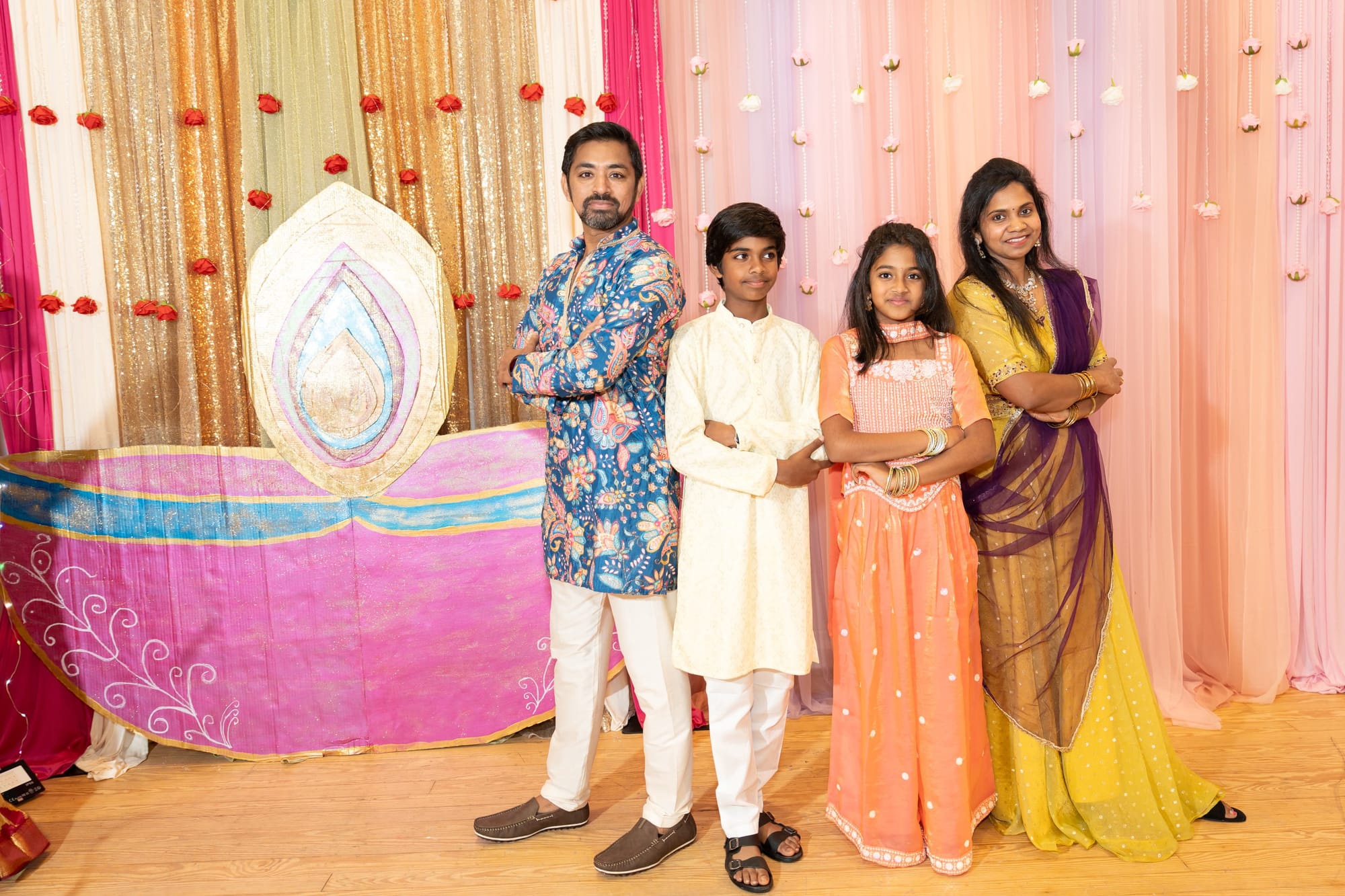
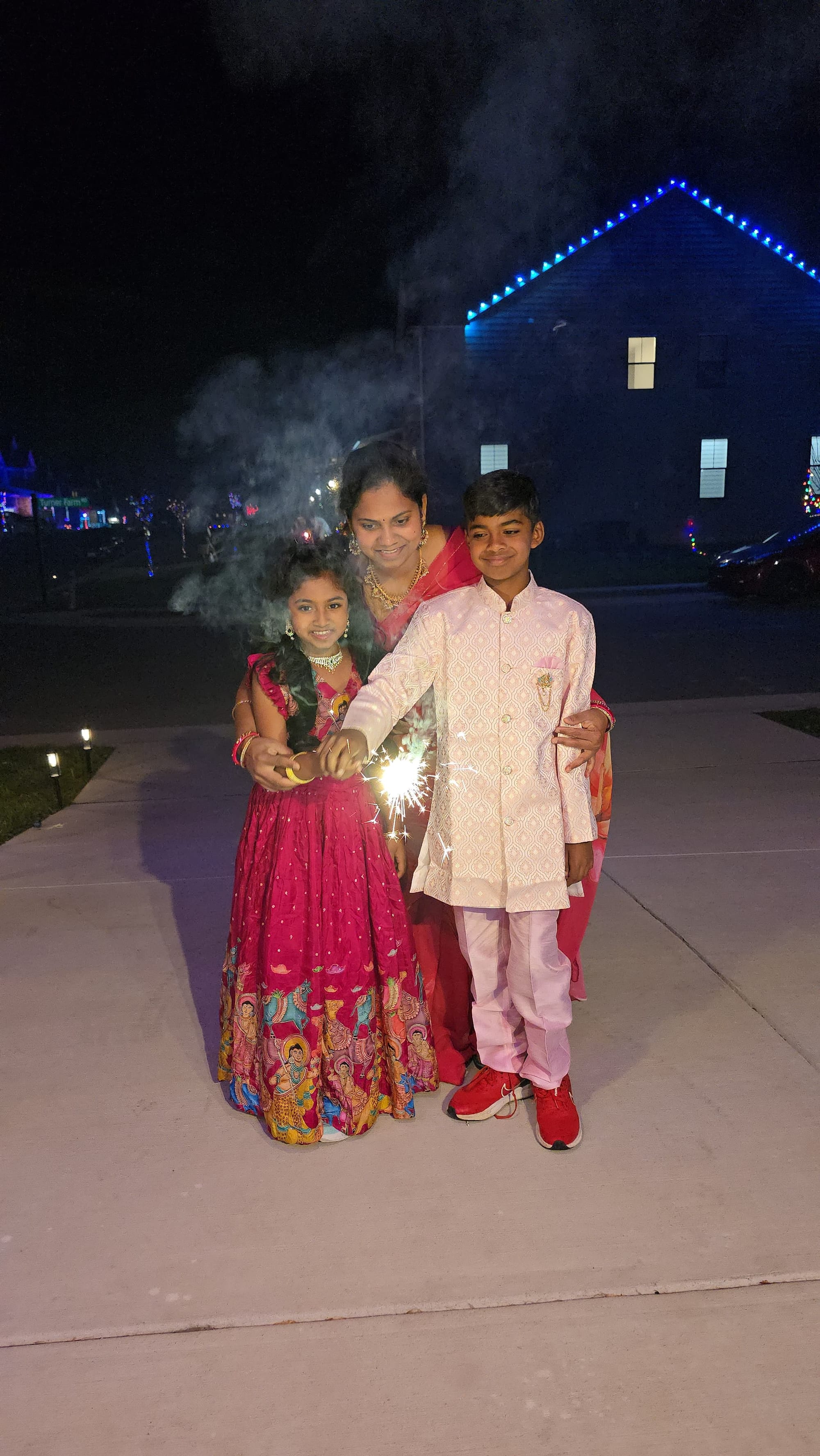
Rohit Ambala posing with his family at a Diwali celebration including capturing fun with sparklers on the right. (Contributed photos)
One of my favorite parts of Diwali is seeing the happiness on everyone's faces, especially the children. Watching them light diyas, enjoy traditional food, dress up in festive clothes, and learn about our traditions brings back many of my own childhood memories.
It is also wonderful to see Henrico County recognizing Diwali as an important festival and providing a school holiday for children. This gives families an opportunity to celebrate together, spend time with family and friends, and enjoy the festival without worrying about school schedules. It also helps children from different backgrounds learn about and appreciate different cultures and traditions.
For me, Diwali is much more than a festival. It is about family, friendship, culture, and togetherness. It reminds us to spread kindness, happiness, and positivity wherever we go.
No matter where we live, our traditions keep us connected to our roots. Just as a small diya can light up a dark room, even a small act of kindness can bring happiness into someone's life.
Wishing everyone a very Happy Diwali!
Dina Weinstein is the Citizen’s community vitality reporter and a Report for America corps member, covering housing, health and transportation. Support her work and articles like this one by making a contribution to the Citizen.