
Book excerpt: The Heart of the Matter, Chapter 13
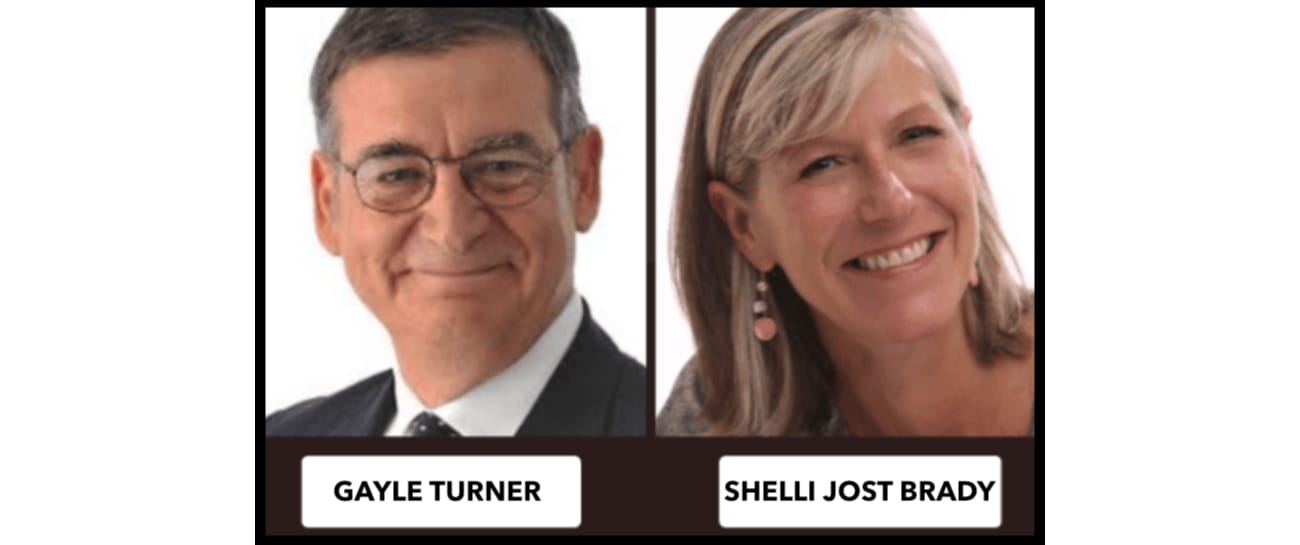
Editor's note: Each week, the Henrico Citizen will present a new chapter of The Heart of the Matter, a forthcoming book by Gayle Turner and Shelli Jost Brady, longtime Central Virginia leadership consultants, storytellers, and community builders. Through stories and reflection, the authors explore how the values people hold and the stories they tell shape the decisions they make — at work, at home, and in communities. Follow along each week as the book unfolds, one chapter at a time.
Chapter 13 — The stories we tell become the culture we keep
Every organization eventually becomes the story it tells most often.
Not the story it announces.
Not the story it intends.
But the story it repeats.
Because repetition is not just memory.
Repetition is selection.
What gets told gets kept.
What gets kept becomes culture.
Why repetition matters more than originality
Leaders sometimes search for the “perfect” story.
But cultures are not shaped by perfect stories.
They are shaped by persistent ones.
The same moment told again and again.
The same choice referenced under new pressure.
The same decision invoked as precedent.
Original stories ignite interest.
Repeated stories establish identity.
The invisible curriculum of a culture
Every culture is running a curriculum.
It teaches:
• What gets celebrated
• What gets excused
• What gets punished
• What gets ignored
And it teaches these things not through manuals—but through story.
• “Let me tell you what happened when…”
• “Around here, we once had a situation where…”
• “That reminds me of the time when…”
These are not casual anecdotes.
They are values lessons disguised as memory.
Why people study stories more closely than policies
People read policy to avoid trouble.
They study stories to understand reality.
Policies tell people:
• What leaders hope will happen.
Stories tell people:
• What actually happens when it does.
If policy and story disagree, the culture always believes the story.
Every time.
The story filter: Who belongs here?
Over time, a culture’s repeated stories quietly answer three questions for everyone listening:
1. Who survives here?
2. Who thrives here?
3. Who eventually leaves here?
These answers are rarely spoken directly.
They are inferred from story.
And once people infer them, they adjust accordingly:
• They become bolder or smaller
• They risk more or less
• They speak up or stay silent
• They commit deeply—or keep one foot out the door
All based on what the stories imply is safe.
How stories shape the next generation of leaders
Every emerging leader is mentored by story long before they are mentored by a human being.
They learn:
• When to push
• When to retreat
• When to protect
• When to perform
• When to stay quiet
Not from training manuals.
From narrative patterns.
This is why two leaders raised in the same organization can lead in eerily similar ways—decades apart.
They didn’t inherit policies.
They inherited stories of how leadership actually works here.
Why bad stories are so hard to kill
Leaders are often surprised by how long old stories linger.
A toxic story can outlive:
• The leader who created it
• The policy it violates
• The restructuring meant to erase it
• Even the people who first lived it
Why?
Because stories lodge in the emotional memory, not the organizational chart.
You can fire a leader.
You cannot fire a story.
You must replace it.
How cultures actually change
Cultures do not change when:
• Vision statements update
• Strategies shift
• Structures reorganize
They change when:
• New stories appear
• New consequences occur
• New behaviors get repeated publicly
• Old stories stop being rewarded
Culture does not pivot on intention.
It pivots on replacement narrative.
The leader as the chief story selector
Leaders cannot control every story a culture tells.
But they wield enormous influence over:
• Which stories get amplified
• Which get challenged
• Which get corrected
• Which get framed as “who we are now”
This makes every leader a curator of cultural memory.
If leaders do not choose what stories get elevated, the culture will choose for them.
The quiet moral power of retelling
One of the most underestimated acts of leadership is retelling.
To say:
• “Let me tell you what happened last year…”
• “This reminds me of the time when we chose…”
• “We had a moment like this before…”
Retelling does three things at once:
• It honors the past
• It instructs the present
• It pre-shapes the future
That is moral power.
Not because it commands—but because it orients.
The danger of sanitized stories
Some leaders try to purify stories until:
• The fear is gone
• The cost is gone
• The risk is gone
• The consequence is gone
What remains is a lesson without blood.
But stories that have never bled never teach courage.
Sanitized stories inspire briefly.
Honest stories form character.
The fulfillment of illumination
Illumination is complete when:
• People recognize themselves in the story
• Values are visible without explanation
• Courage looks ordinary
• Integrity looks normal
• And the culture begins to correct itself
At that point, leaders stop being the sole guardians of values.
The community takes over.
Closing reflection
The stories we tell do not merely describe our culture.
They select it.
They choose who will belong.
They choose who will lead.
They choose what will be tolerated.
They choose what will be defended.
Every retold story is a quiet vote for the future.
Discover what matters most to you by taking "The Culture Compass" free to discover and prioritize the values that guide your decisions; visit storytellerschannel.com/culturecompass.