Turning 'prevention into power': Henrico agencies, organizations celebrate impact of nurses during National Nurses Week
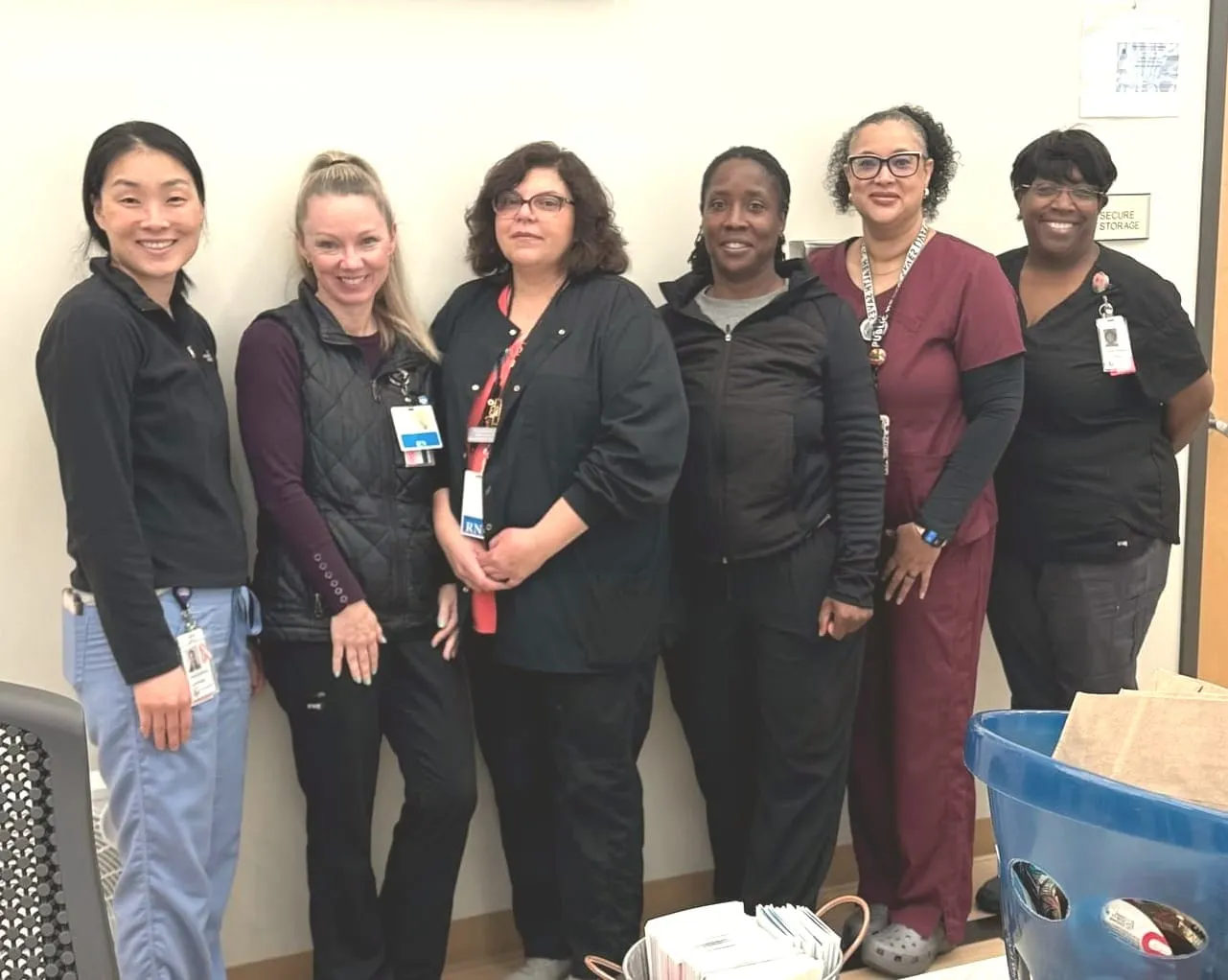
Coinciding with pioneering nurse Florence Nightingale’s birthday, National Nurses Week earlier this month put a spotlight on frontline health workers’ impact and, importantly, made sure nurses doing critical work feel valued.
“We make sure we show our appreciation to our staff at all levels of nursing, whether it's a bedside frontline nurse, a nurse leader or nurse educator,” said Cassie Lewis, chief nursing officer at Bon Secours Mercy Health, which includes St. Mary’s Hospital in Henrico’s West End.
Clinical coordinators act as nurse navigators, ensuring patients journey through the continuum of care. Nurses in medical group practices on the campus make sure patients going into the offices are seen and evaluated appropriately.
At St. Mary’s outpatient infusion centers, nurses give infusion medications including chemotherapy and other lifesaving medications. St. Mary’s Community Health Car-A-Van serves the most vulnerable patients out in communities. And the institution’s forensic nurses take care of sexually assaulted patients or victims of violence
The COVID public health emergency brought nurses visibility and amplified the importance of health care professionals and how they make a difference in people's most vulnerable times. But there are still unresolved issues for those in the front lines of healthcare.
“Our team members showed up day in and day out to take care of others despite the risk that was involved,” Lewis said. “We have to always remember we can't stay the same. We've got to evolve in healthcare. We've got to change with the times. And if we're not changing and evolving, then we're stagnant. It's incumbent upon us as leaders in healthcare to ensure that we continue to put our nurses at the forefront to ensure that they feel the same level of value now that they did coming out of COVID.”
Facing burnout, workplace violence
Ashley Apple, a family nurse practitioner, University of Virginia School of Nursing health policy professor and vice president of the Virginia Nurses Association, counts safe staffing and workload levels in the clinical setting as the critical issues nurses face.
“Nursing labor is largely invisible,” Apple said. “Insurance companies don't reimburse hospitals specifically for nursing labor. We are wrapped up into room and board, believe it or not. This creates a system where hospitals that are trying to keep the doors open and the lights on are somewhat incentivized to limit the number of nurses that are working for them, to work with what they perceive to be the bare bones, safe number of nurses.”
As a result, Apple said nurses often feel like they have don't have enough support services for the work that they need to do, creating a moral distress and workforce burnout.
The VNA has been working with the Virginia Hospital and Healthcare Association to stand up nurse-led staffing committees at hospitals across the state, championing the notion that nurses should be at the helm of deciding safe staffing levels.
Another top issue for nurses includes workplace violence, often experienced at the hands of patients.
The VNA also advocates to help underserved and rural areas in danger of losing health facilities due to federal cuts to Medicaid, and issues that arise based on health disparities.
“We know there are huge disparities in maternal health outcomes, particularly for people of color,” Apple said.
On the frontlines
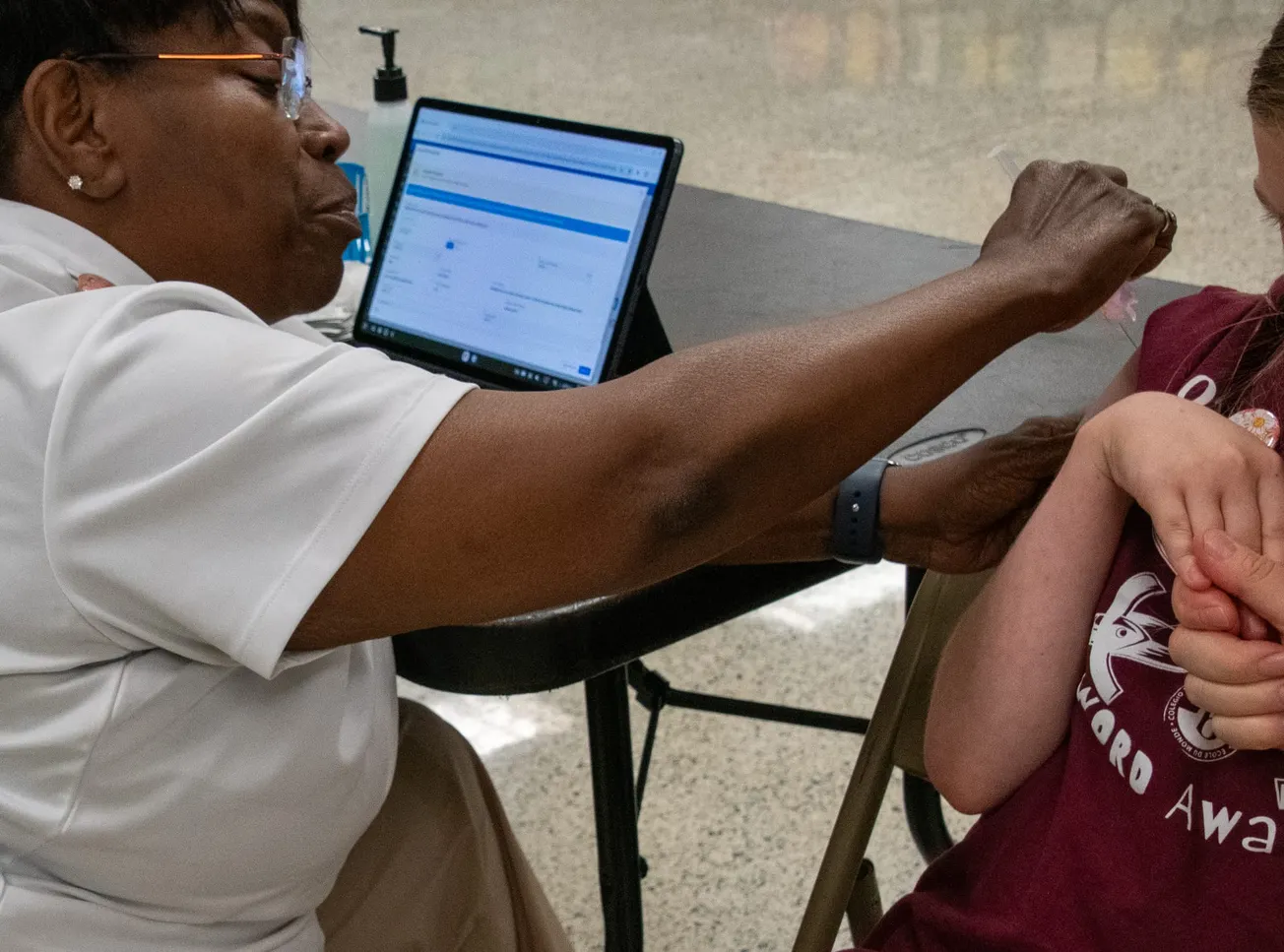
Richmond and Henrico Health Department public health nurses see anyone who needs services that can include family planning, sexually transmitted infections or immunizations. All people with those needs can be seen at one of two locations with doors wide open for the underserved and the uninsured.
“The power of a nurse is strength in care, courage in action, and compassion that heals,” said Eastern Henrico Health District Public Health Nurse Supervisor Shuryl Thompson, taking the Nurses Week theme “The Power of Nurses” to heart. “Public health nurses turn prevention into power — protecting communities before illness begins.”
RHHD helps those in need of crucial community health, including serving people with AIDS/HIV.
By its most recent numbers, Henrico public health nurses this year:
• provided 9,728 vaccinations including at Henrico County Public School events;
• provided 325 health screenings for newcomers;
• conducted 1,812 family planning and STI clinic visits;
• managed and treated nine active tuberculosis cases and 164 latent tuberculosis infections;
• and screened 928 people for long-term services and supports eligibility.
“Public health nursing is unique because it moves beyond the individual care that you give to someone that we are schooled and educated in, but it goes larger to serving populations that we can promote and prevent and intervene in their healthcare decisions, which is powerful,” Thompson said.
Cardiovascular diseases contributed to the highest rates of hospitalization in Richmond, Henrico and Virginia, according to the most recent Virginia Department of Health chronic disease dashboard. And according to RRHD’s most recent Community Health Assessment, cardiovascular diseases are the leading causes of death here.

Cultivating the next generation
There is a limited capacity in Virginia and across the nation to produce new nurses, according to Apple. The aging population also increases the demand for nurses, alongside an aging nursing workforce, enforcing the need to create, expand and improve the pipeline of new nurses.
But, Apple said, that's difficult to do when there are a limited number of faculty and a limited number of clinical placements.
VNA advocates to create scholarships and incentives, preceptor incentives and investments in the nursing workforce so the field can grow it and ultimately meet the demands of the population
Many nurses are getting their start through the Henrico County Public Schools practical nursing program. And Reynolds College Parham Road Campus offers an associate’s degree in applied nursing.
Bon Secours grows the next generation of nurses through the Bon Secours Memorial College of Nursing, which prepares bachelor's level nurses as well as a direct entry master's program serving as pipelines. Staff nurse educators train the student nurses. Preceptor nurses are bedside frontline team members who serve as experts to ensure new nurses feel supported.
A recruitment program pays for nursing school for patient care technicians, who, while in nursing school, can work at St. Mary’s through the immersion program where the health system pays for their clinicals developing a relationship with the hospital.
“I think we have a fantastic pipeline here in Richmond. But we also have to make sure we are valuing our nurses that are practicing at the bedside and creating a culture where they want to come to work, and are supported at work,” said Lewis who stresses a flexible work environment as key.
Galen creates a new pipeline for HCA Virginia
HCA Virginia Health System operates hospitals (including Henrico Doctors’ and Parham Doctors’) in Henrico County, along with outpatient centers, freestanding emergency rooms, urgent care centers in this region and beyond.
To address the pressing nursing need, HCA Healthcare became a majority owner in Galen College of Nursing in 2020, a private for profit institution. Galen opened a campus in Richmond in 2021 and another campus in Roanoke in 2023. Last year, the two campuses graduated more than 220 new nurses and HCA hired many of them.
Natalie Kudelya just graduated from Galen in March and is now an RN on the cardiac stepdown unit at Henrico Doctors’ Hospital. She worked as a Patient Care Technician nurse extern on the unit while at Galen.
“I thought I had great instructors, and good clinical experiences while at Galen. Now, I like doing the patient care and seeing patients get better,” Kudelya said about her role in the cardiac unit. “Even the patients who come to us from cardiac surgery and we get them when they're on day three, and then we discharge them on like day six, to see that progression and see them getting better, and knowing that I had some kind of part in that, does give me satisfaction.”
Dina Weinstein is the Citizen’s community vitality reporter and a Report for America corps member, covering housing, health and transportation. Support her work and articles like this one by making a contribution to the Citizen.