Skip to content
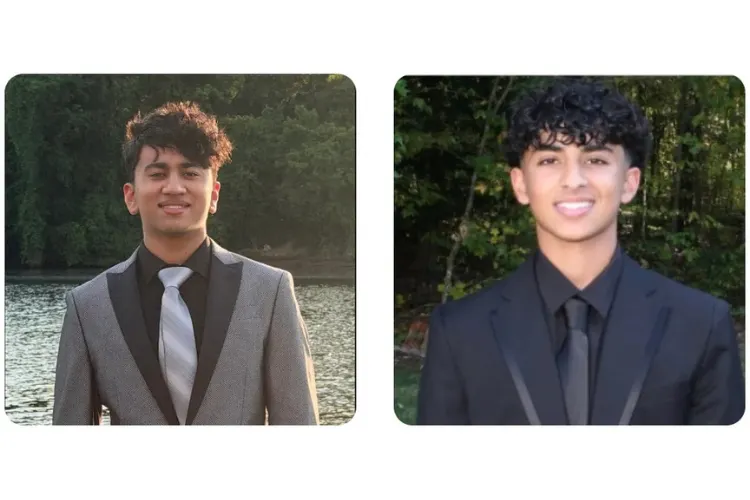
Batteries4Better founders Prithvi Chakraborty (left) and Abhinav Mehta. (Courtesy Batteries4Better)

Most people don’t think twice before tossing used batteries into the trash.

For Maggie L. Walker Governor’s School students Prithvi Chakraborty, 16, and Abhinav Mehta, 17, that bad habit became the inspiration for Batteries4Better, a student-run nonprofit working to make battery recycling more accessible throughout Henrico and beyond.

The organization has already recruited more than 50 volunteers, organized collection drives in five communities and partnered with local businesses to recycle more than 10,000 batteries that might have otherwise ended up in landfills.

“We wanted to make battery recycling more simple and accessible,” Chakraborty said. Instead of just telling people not to throw batteries away, they wanted to give people an easier option.

The idea began after Chakraborty noticed used batteries routinely being thrown into household trash and accumulating at local landfills. After researching the environmental impacts of improper battery disposal, he and Mehta decided they could do something about it.

Combining their interest in engineering with community service, the two students launched Batteries4Better with the goal of creating neighborhood collection systems rather than relying on people to seek out recycling centers themselves.

Their first battery drive took place in January. Rather than organizing a single event, they recruited friends to place collection bins throughout their neighborhoods, making it easier for residents to drop off used batteries close to home.

The effort quickly expanded through student volunteers recruited from Maggie Walker and other Henrico schools. Social media, flyers and word of mouth helped grow the organization, while partnerships with groups such as the National Honor Society gave students an opportunity to earn volunteer hours by managing neighborhood collection bins.

One lesson came early.

Collection drives performed best in neighborhoods with central gathering places, such as clubhouses or community centers, where residents could easily access collection bins. Areas without those shared spaces often required volunteers to go door-to-door, which proved to be less effective.

Once collected, the batteries are delivered to established recycling locations, including Staples and Home Depot, allowing the nonprofit to focus on community outreach rather than building its own recycling infrastructure.

Batteries4Better also places a strong emphasis on education alongside collection.

“A lot of people don’t really understand that throwing batteries away is bad for the environment,” Chakraborty said. “We’re teaching them that there are better ways of doing this.”

Managing a growing nonprofit while attending Maggie Walker has required careful time management.

“We set around 30 minutes to an hour every day to make sure we had time for our organization,” Mehta said.

The pair hopes the project is only beginning.

This fall, Batteries4Better plans to host educational workshops at local schools and community organizations while expanding a regional director program that will allow student volunteers in states such as California and Texas to organize battery drives in their own communities.

The nonprofit is also developing a “request-a-bin” program that would allow neighborhoods to request battery collection bins directly through its website.


For details about the effort; to learn more about where you can donate batteries; or to host a battery-collection location in your community, visit batteries4better.org/#faq.

Comments