Skip to content

In the Garden: How to maintain the flavor and freshness of vegetables

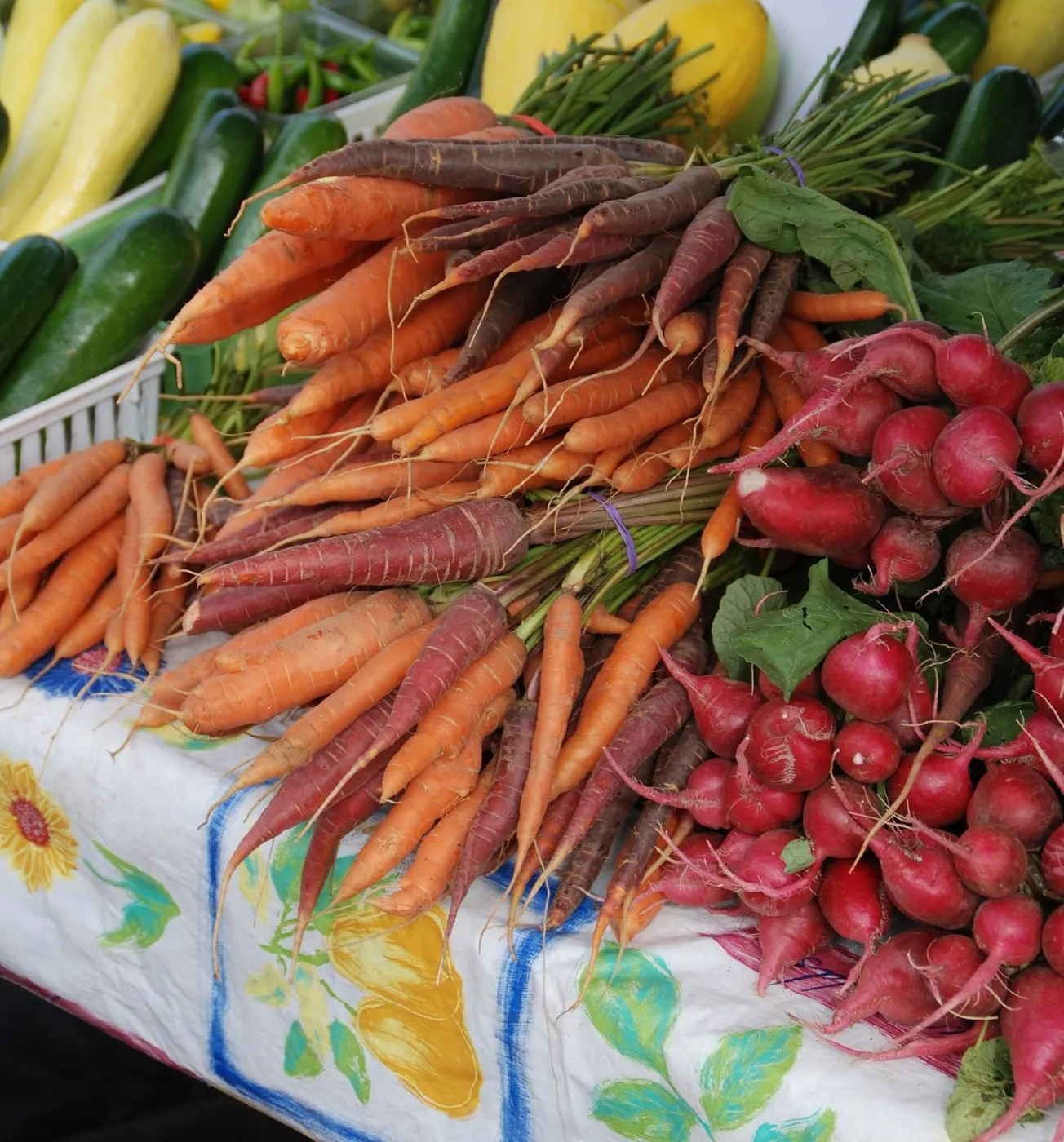
Cool-season root vegetables, like carrots, can be left in the ground longer in cooler climates for an even sweeter flavor. (Courtesy MelindaMyers.com)

Keep homegrown vegetables and those purchased at the farmer’s market fresh and tasting their best. Selecting and harvesting vegetables at their peak and storing them properly will provide maximum flavor and nutritional value from every bite.

Check the garden regularly and harvest vegetables as recommended for the best flavor and nutritional value. Look for harvesting guidelines from reliable sources like your local extension service.

Harvest ripe vegetables early in the morning for the best quality and when the plants are dry to avoid spreading disease. Take a basket or container large enough to accommodate the harvest to minimize stacking that can lead to bruising that shortens the storage life. Use a knife, snips or pruners for harvesting vegetables that can’t easily be removed from the plant. You’ll reduce the risk of damaging the plant during harvest. Move the harvest to a cool, shaded location or properly store to extend its shelf life.

When purchasing fresh vegetables from the farmer’s market, buy what will be consumed or preserved in the next few days. Canning, freezing and dehydrating excess produce is a great way to enjoy vegetables long after the harvest season has passed.

Regular harvesting keeps the plant producing. Do remove and compost those past their prime. Leaving them in the garden to rot attracts unwanted insects and increases the risk of disease.

Wait to wash vegetables until right before preparation. In the meantime, store them properly to help extend their shelf life. Onions, garlic, white and sweet potatoes and tomatoes are best stored out of the refrigerator. Onions and garlic lose their crispness, tomatoes turn mealy, and they all can develop unsavory flavor and texture when exposed to cold temperatures. Store lettuce, greens, broccoli and its relatives, root crops and similar vegetables in the crisper drawer of the refrigerator. Placing vegetables in perforated plastic bags provides cold moist conditions for the short term. Don’t use unperforated sealed bags that create too much humidity and condensation that can lead to mold and bacterial growth.

Thoroughly wash and rinse vegetables under running water right before preparation to remove dirt and pesticide residue. Use a small brush for potatoes, cucumbers or other vegetables with skins that contain nutrients and fiber. If you opt to immerse the vegetables in water, use a clean bowl as your sink drain may harbor microorganisms.

For longer term storage, match the storage temperature and humidity to the vegetables. Some vegetables like lettuce, other greens and leeks, prefer 32 to 41 degrees F and high humidity. Others, like cucumbers, snap beans and peppers, prefer a bit warmer temperatures, 45 to 55 degrees F and humid conditions. Pumpkins, winter squash and potatoes prefer a bit warmer temperatures at 50 to 60 degrees and lower humidity. Store dry garlic and onions at room temperature (65 to 70 degrees F) and out of direct sunlight.

Carrots, turnips, and parsnips are all cool-season root vegetables that thrive in cooler soil temperatures and can be left in the garden longer for an even sweeter flavor. Spread mulch around these plantings once the soil around the plants is cool to protect the plants from temperature extremes and make winter harvesting much easier. Finish harvesting before the ground freezes and damages the roots.

Enjoy the flavor and nutritional benefits fresh-from-the-garden vegetables provide. Then extend these benefits with proper handling and storage.


Melinda Myers has written more than 20 gardening books, including the recently released Midwest Gardener’s Handbook, 2nd Edition and Small Space Gardening. She hosts The Great Courses “How to Grow Anything” instant video and DVD series and the nationally-syndicated Melinda’s Garden Moment radio program. Myers is a columnist and contributing editor for Birds & Blooms magazine, and her website is MelindaMyers.com, which features gardening videos, free webinars, monthly gardening tips, and more.

Comments