In the Garden: Five North American native shrubs for the garden
Here are a few of the many North American shrubs you may want to include in your landscape. As always, make sure each is suitable for the growing conditions, hardy for your location, and will fit the available space once mature.
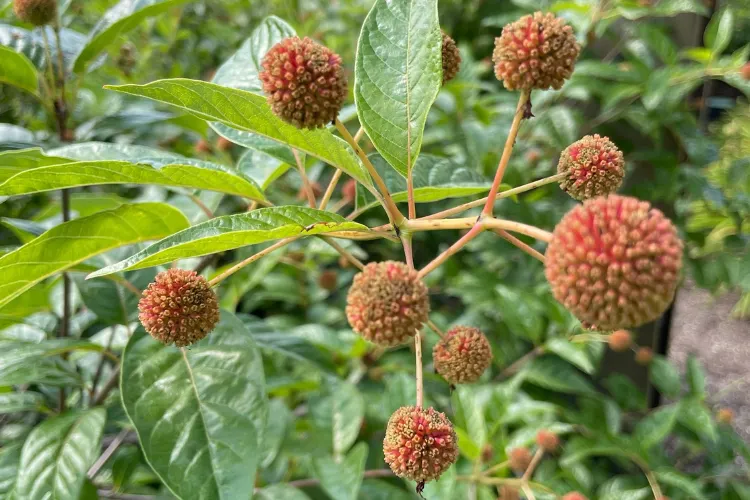
Support a wide range of pollinators and songbirds with buttonbush (Cephalanthus occidentalis) which is native to much of North and Central America. It grows 5 to 8 feet tall, prefers full to part sun, moist to wet soil and is tolerant of heat and compaction. It is late to leaf out but your patience is rewarded when the 1” diameter, fragrant white flowers appear in summer, attracting a variety of pollinators. The flower heads mature to red and the round seed heads provide food for songbirds.
Consider including one or more of the North American native roses to your landscape. Look for those species native to your area and ones that complement your garden design. Grow them in a sunny location with plenty of space and good air circulation for the best flowering and fewest disease problems. Enjoy the flowers and many pollinators that visit and the colorful fruit (rose hips) that songbirds enjoy.
When looking for a drought tolerant shrub consider ninebark, Physocarpus opulifolius. Watch for white or pinkish flowers and visiting pollinators and songbirds dining on the seeds. Place the plant where you can appreciate the exfoliating bark which reveals layers of reddish to light brown inner bark and looks great against a winter sky. Hardy in zones 2 to 8, it prefers full sun in northern locations and benefits from a bit of afternoon shade in the south.
Plant common elderberry (Sambucus canadensis) if you need a vigorous plant to control erosion, support pollinators and songbirds and naturalize large spaces. Hardy in zones 4 to 8, it tolerates both wet and dry soil and is often included in rain gardens. The fragrant white flowers appear in summer and are used to make elderflower water. The purple-black fruit is used to make jams, jellies and wine and is eaten by birds.
The fruit of another native elderberry (Sambucus nigra) is also black and not considered as tasty as those of the common elderberry. Always cook or ferment the fruit of both as eating uncooked fruit can cause nausea, diarrhea and vomiting. The flowers are edible and can be eaten raw or cooked.
Give elderberries plenty of space as they quickly grow and spread. Regularly remove suckers and seedlings if you need to contain the size of these vigorous plants.
Add year-round greenery along with shelter and food for songbirds by growing one of the North American native junipers. They tolerate full sun and well drained to dry soil once established. Songbirds and small mammals feast upon their fleshy cones that have also been used to flavor gin and season some foods.
Check with your local garden centers and plant nurseries as more of them are selling native plant species. You will also find cultivars of native plants being bred for unique features or more compact growth to better fit into urban and suburban landscapes. Find out more about native plants at the Lady Bird Johnson Wildflowers Center website wildflower.org and from your local extension service.
Melinda Myers has written more than 20 gardening books, including the recently released Midwest Gardener’s Handbook, 2nd Edition and Small Space Gardening. She hosts The Great Courses “How to Grow Anything” instant video and DVD series and the nationally-syndicated Melinda’s Garden Moment radio program. Myers is a columnist and contributing editor for Birds & Blooms magazine, and her website is MelindaMyers.com, which features gardening videos, free webinars, monthly gardening tips, and more.