Skip to content

In the Garden: Caring for established trees in hot, dry weather

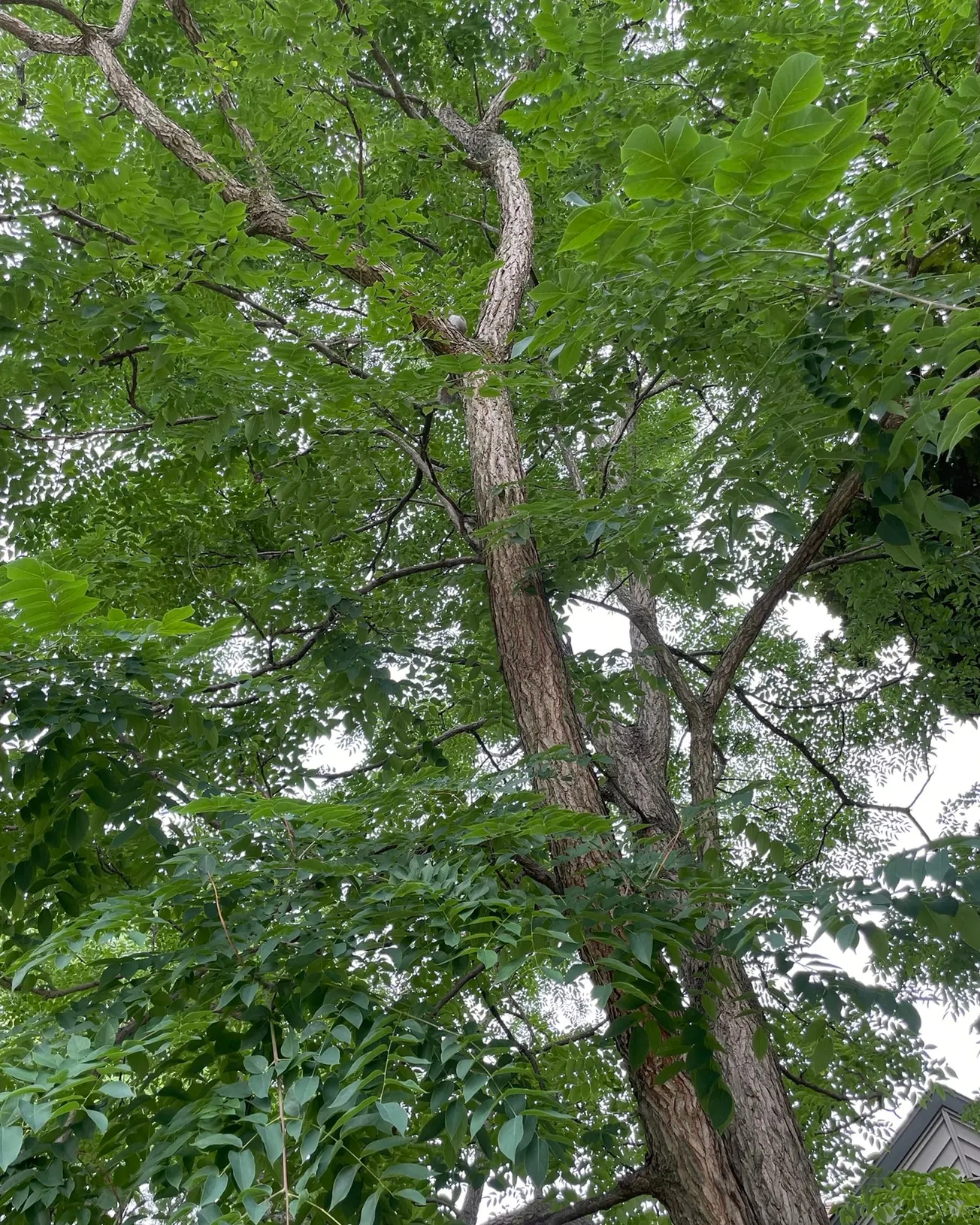
The Kentucky Coffee tree (Gymnocladus dioicus) is a large, deciduous tree native to North America. (Courtesy MelindaMyers.com)

Trees form the framework in our landscapes, providing shade, cleaning our air of dust and pollutants, absorbing carbon dioxide, releasing oxygen, protecting our soil, and helping to manage storm water. Once established, they are often overlooked when hot, dry weather has us dragging hoses to water flower and vegetable gardens to keep them alive.

Make ongoing care of trees part of your gardening routine, especially during extremely hot dry weather. Proper care will help keep your trees healthy and reduce the risk of insect pests and diseases that often attack drought-stressed trees for the following years.

Let the weather, soil type and type of tree determine the watering schedule. High temperatures and fast draining soils dry out quickly, and trees will need more frequent watering. Cooler temperatures and slow or poorly drained soils stay moist longer. Established trees with larger root systems and drought tolerant trees need less frequent watering than moisture lovers and new plantings.

Check the soil moisture and water established trees when the top few inches of soil are dry. Always water thoroughly, moistening the top 12 inches of soil under the canopy of deciduous trees. Do the same for evergreens, extending the area three to five feet beyond the dripline.

To do this, apply 10 gallons of water for every inch diameter of trunk measured at 4.5 feet above the soil surface. For example, a 4-inch diameter tree should receive about 40 gallons of water.

Apply the water directly to the soil surface using a soaker hose. Set the soaker hose in wide circles under the tree, starting several feet away from the trunk with the loops several feet apart. Or make your own drip irrigation system with 5-gallon buckets. Drill several holes in the bottom of the buckets, set around the tree, fill with water and let gravity do the rest.

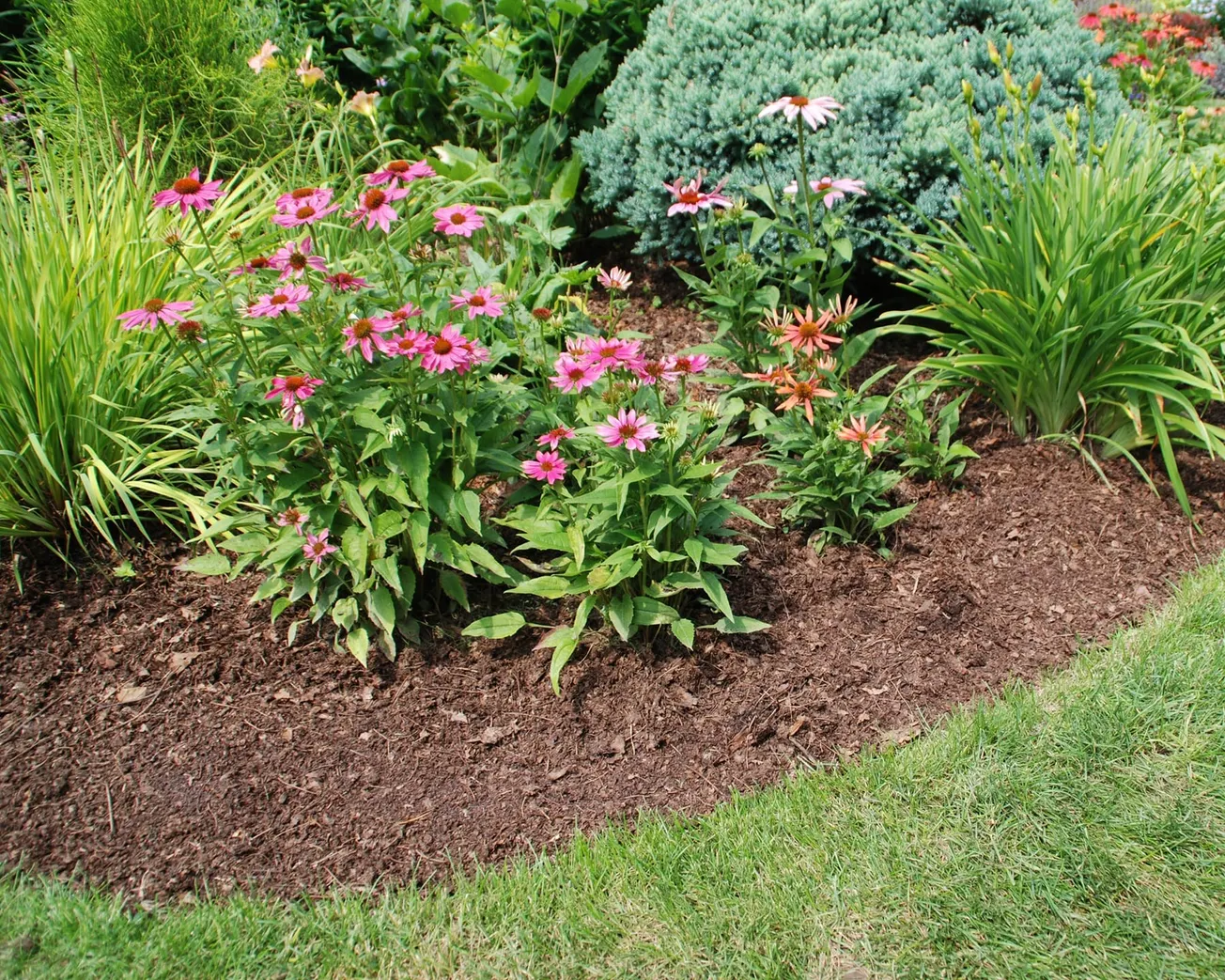
Spread a two- to three-inch layer of wood chips or other organic mulch over the soil surface. Pull the mulch away from the trunk of the tree to prevent rotting and disease. You’ll help keep the soil and roots cool and moist, suppress weeds and improve the soil as the mulch decomposes.

Create as large a mulch or planting bed around your trees as you can tolerate. You’ll help eliminate competition from the grass and damage caused by weed whips and mowers that get a little too close. You’ll also save time by eliminating the need to hand trim around individual plants.

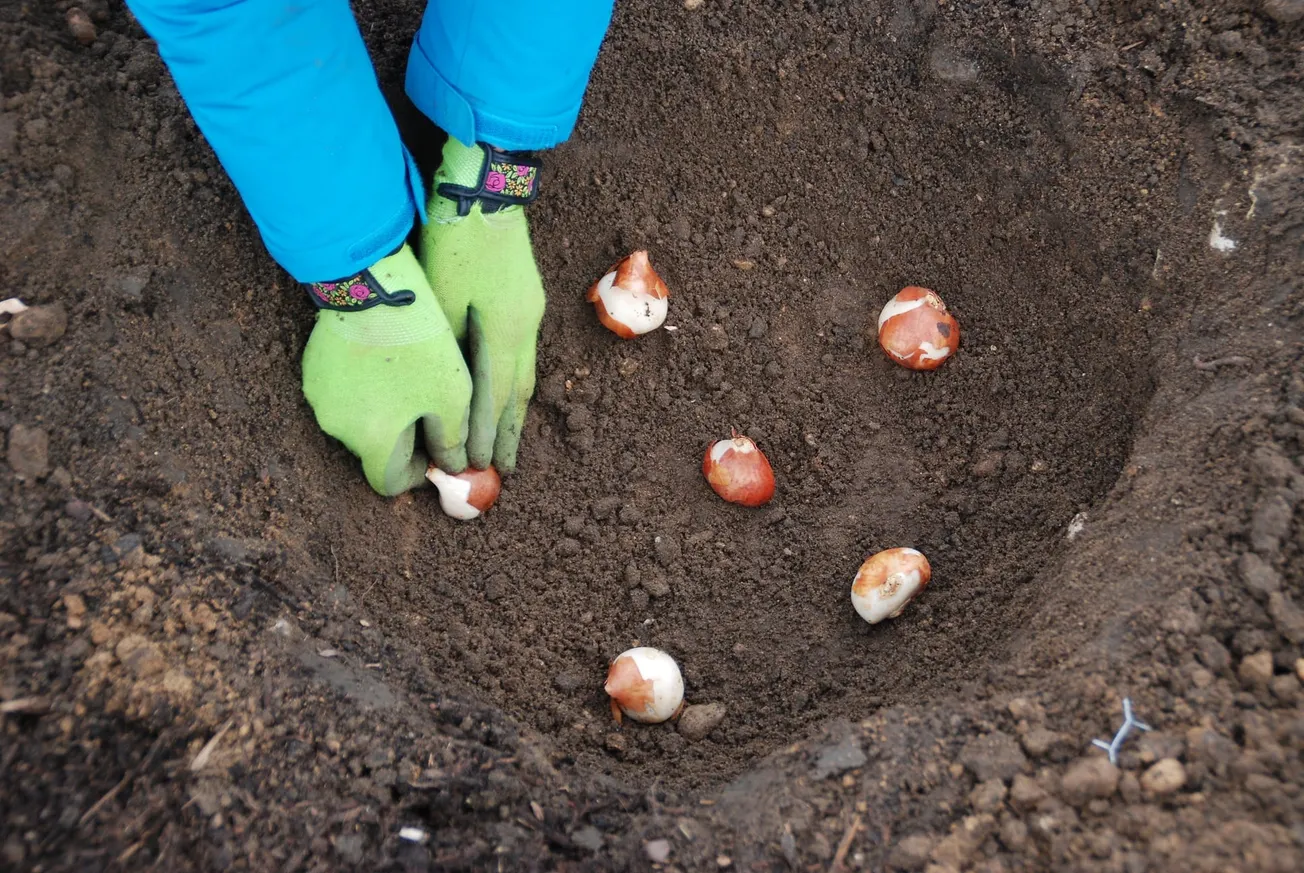
If large beds of mulch do not fit your landscape design, create a beautiful garden in the shade of your trees. Shade tolerant groundcovers, perennials and shrubs can dress up the space with additional texture and color. Be careful when planting under mature trees. Do not cover the roots with soil as this can result in the decline and even death of your tree in coming years. Avoid deep tilling that can damage the surface roots and fine feeder roots used to absorb water and nutrients. Instead, dig relatively small holes to accommodate the plant, mulch and spot water new plantings. It may take a bit longer for them to fill in, but your tree will be healthier and live longer.

Your investment of time and care will be rewarded with years of beauty and the many benefits mature trees provide.


Melinda Myers has written more than 20 gardening books, including the recently released Midwest Gardener’s Handbook, 2nd Edition and Small Space Gardening. She hosts The Great Courses “How to Grow Anything” instant video and DVD series and the nationally-syndicated Melinda’s Garden Moment radio program. Myers is a columnist and contributing editor for Birds & Blooms magazine, and her website is MelindaMyers.com, which features gardening videos, free webinars, monthly gardening tips, and more.

Comments