In the Garden: Grow, prepare and enjoy hot peppers
Some like it hot and that includes the spicy heat of hot peppers added to entrees, beverages and desserts. Others value hot peppers for their help with pain relief and other health benefits. For those who can’t stand the heat, proper pepper selection, care and preparation can help turn down the heat as needed.
The spicy heat of hot peppers is measured in Scoville Heat Units (SHU) named after Wilbur Scoville. The heat units were originally determined by a panel of individual tasters. Chili peppers were ground and added to a sugar-water solution. The solution was continually diluted until the panelists found the solution no longer burned their mouth. Each pepper was assigned a number based on the amount of sugar-water solution needed to reach that point. Today, a more accurate, less subjective high–performance liquid chromatography method can be used for measuring the pungency of hot peppers.
Poblano and Siracha rate between 1,000 to 2,500, jalapenos up to 8,000, cayenne and Tabasco can peak at 50,000, Thai peppers 50,000 to 100,000, and habaneros up to 350,000. Some of the hottest peppers include the Carolina Reaper at 2,300,000, Dragon’s Breath at 2,500,000 and Pepper X at 3,180,000. For a bit of a surprise, try Shishito peppers where only one out of ten peppers are rated at 1,000 or higher SHU. The only way to tell which one is hot is by taking a bite. To enjoy the citrusy flavor of habanero peppers but not the heat, grow the All-America Selections winner Roulette.
Ornamental peppers are edible as well as pretty. Most will rate anywhere from 10,000 to 50,000 SHU. Chilly Chili ornamental pepper produces an abundance of attractive yellow, orange and red upright fruit on 10 to 12” plants. As the name suggests, they have almost no heat.
Weather influences productivity and the heat in peppers. They grow and produce best when day temperatures are 70° to 80° F and night temperatures are 60° to 70° F. Cold, heat and drought are the most common cause of blossom drop, misshapen fruit and a poor harvest. When summer is filled with long, hot days, hot peppers tend to be even hotter.
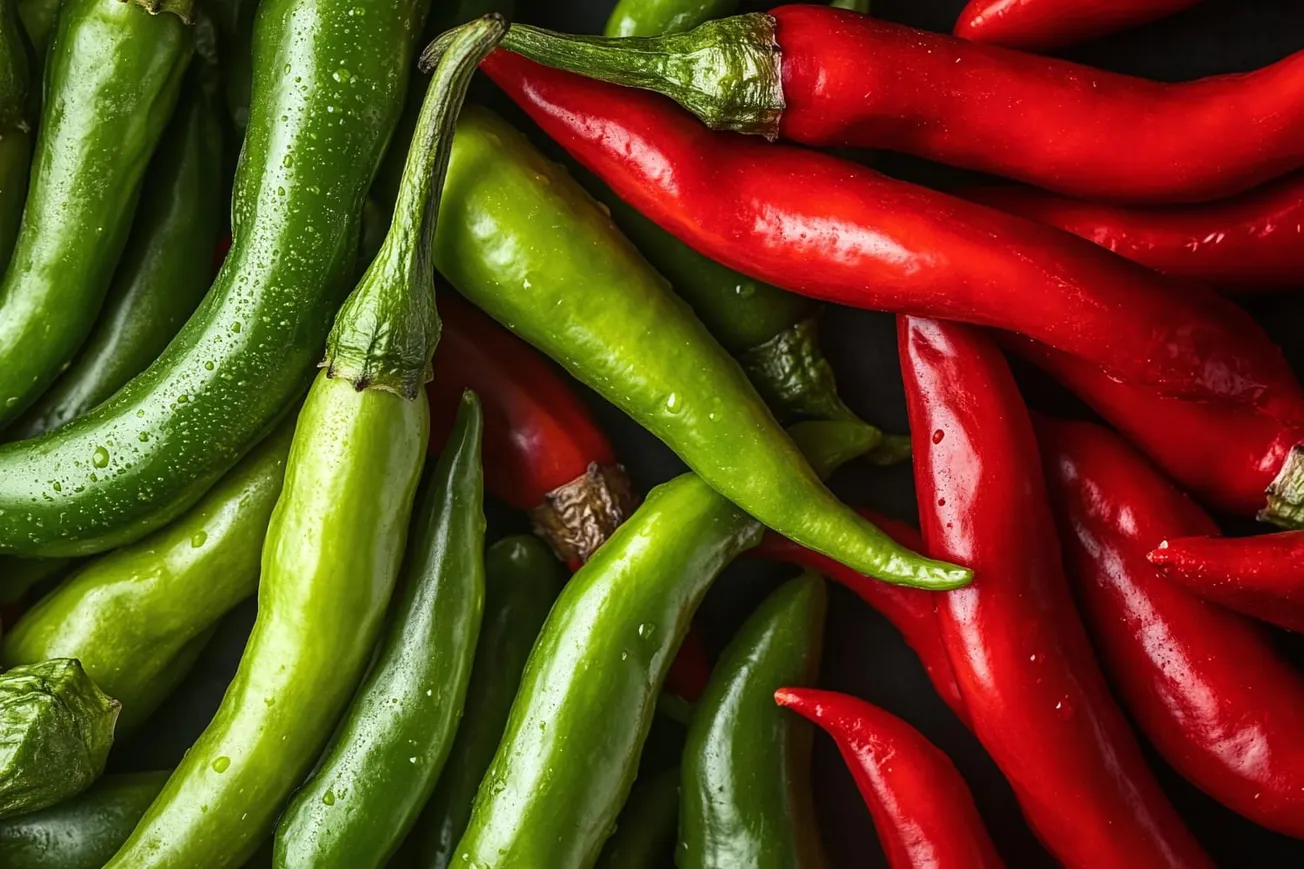
Harvest most hot peppers when fully mature and red for the strongest flavor. Green chili and jalapeno peppers are harvested when green. And some, like jalapeno, habanero and Anaheim, are hot whether they are harvested when green or red.
Label hot peppers when growing, harvesting and storing them. Many sweet and hot pepper varieties look similar and confusing the two could be unpleasant. Consider planting them in separate spaces in the garden to further avoid misidentification and keep a glass of milk handy in case you need to neutralize the sting.
If desired, the heat of peppers can be turned down when preparing favorite recipes. Most of the capsaicin that gives hot peppers their heat is in the white membrane that houses the seeds, so removing this along with the seeds will provide the flavor with less heat.
Wear rubber gloves and avoid touching your face and eyes when working with hot peppers as they can burn. Wash your hands, utensils and cutting boards when finished.
Adding hot peppers to your meals will also provide many health benefits. Use them fresh and can, freeze or dry the surplus to enjoy later or share with family and friends.
Melinda Myers has written more than 20 gardening books, including the recently released Midwest Gardener’s Handbook, 2nd Edition and Small Space Gardening. She hosts The Great Courses “How to Grow Anything” instant video and DVD series and the nationally-syndicated Melinda’s Garden Moment radio program. Myers is a columnist and contributing editor for Birds & Blooms magazine, and her website is MelindaMyers.com, which features gardening videos, free webinars, monthly gardening tips, and more.