In the Garden: Enjoy the flavor of homegrown herbs year-round
Add homegrown flavor to meals with garden fresh herbs that will elevate any dish. Continue enjoying them well past the end of the season by preserving favorites to use in winter meals.
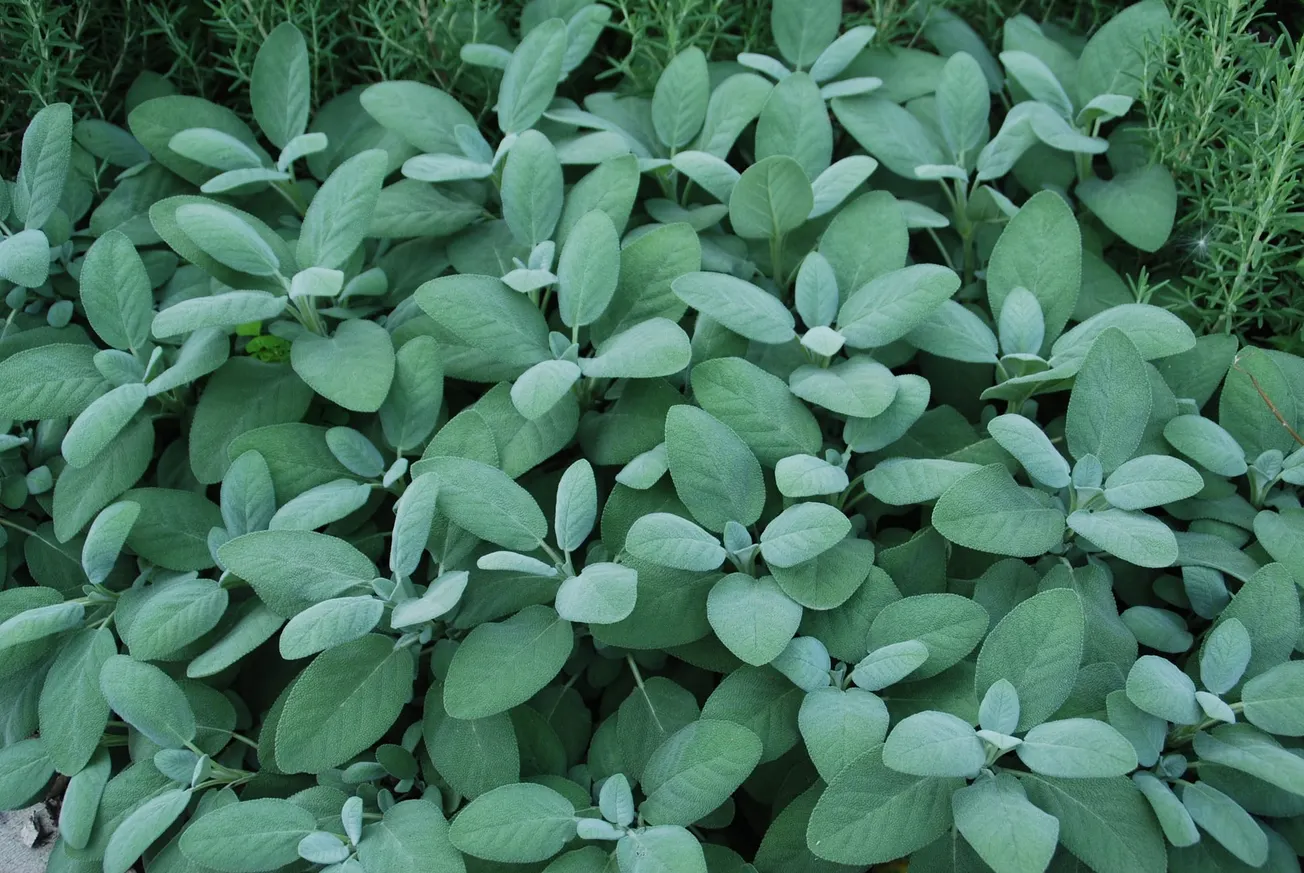
Snip a few leaves or leaf-covered stems as needed for cooking or garnishing a favorite dish throughout the growing season. Adjust the quantity of herbs used to allow for variations in flavor intensity and preference. In general, two to three times more fresh herbs are needed than dried, except for Rosemary which has an equally strong flavor, fresh or dried. For example, if the recipe calls for one teaspoon of dried thyme use one tablespoon (3 teaspoons) of fresh thyme leaves.
Harvest before plants begin flowering to encourage more tender growth. The concentration of flavor will be greatest when the plant has formed buds, but before they open. Don’t discard the flowers if you wait too long. Enjoy the beauty and added flavor of basil, lavender, lovage, monarda, oregano, Rosemary, sage, sweet marjoram and thyme blossoms.
Use a pair of garden scissors, snips or bypass pruners for harvesting. Make the cuts above a set of healthy leaves. The wound will close faster, and the remaining plant will look better. Rinse off the clippings and remove tough stems and bad leaves.
Store extra unwashed leafy herbs in a vase of water and loosely cover with a plastic bag. Keep basil on the kitchen counter and cold-tolerant herbs, like parsley and cilantro, in the refrigerator. Wrap thicker-leafed herbs, like sage and thyme, in a paper towel set inside a plastic bag and place in a warmer section of the fridge.
Keep harvesting throughout the growing season to encourage new growth for future harvests. Just leave enough foliage to maintain plant growth. Harvest as much as 50 to 75% from established annual herbs and one third of perennial herbs at a time.
Freeze sprigs, whole leaves or chopped clean herbs on a cookie sheet. Or pack clean diced herbs in ice cube trays and fill the empty spaces with water. These are great for use in soups and stews. Store the frozen herbs and ice cubes in an airtight container or baggie in the freezer.
Or dry herbs by bundling several stems together, secure them with a rubber band and use a spring-type clothespin to hang them in a warm, dry place to dry out. A drying rack can be made from an old embroidery hoop, string, and S hooks.
Get creative and use some herbs to make a fragrant edible wreath. Use fresh herbs that are flexible and easier to shape into a wreath. They will dry in place and can be harvested as needed.
Speed up the drying process in the microwave. Place herbs on a paper plate and cover it with a paper towel. Start with one to two minutes on high. Repeat for 30 seconds as needed until the herbs are brittle. Store dried herbs in an airtight plastic or glass jar.
Share extra fresh and dried herbs with family and friends. They make great hostess and holiday gifts.
Melinda Myers has written more than 20 gardening books, including the recently released Midwest Gardener’s Handbook, 2nd Edition and Small Space Gardening. She hosts The Great Courses “How to Grow Anything” instant video and DVD series and the nationally-syndicated Melinda’s Garden Moment radio program. Myers is a columnist and contributing editor for Birds & Blooms magazine, and her website is MelindaMyers.com, which features gardening videos, free webinars, monthly gardening tips, and more.