Skip to content
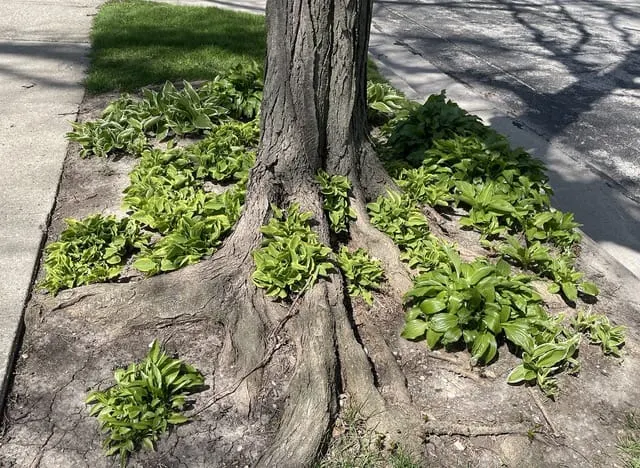
Hostas planted in between tree roots. (Courtesy MelindaMyers.com)

Roots erupting through the soil surface beyond the tree trunk irritate gardeners when trying to grow and mow grass under trees. Save time, reduce frustration and be kind to your trees when dealing with these surface roots. These roots are a normal part of aging for shallow rooted trees and are important to their health and stability.

As roots age, they increase in circumference just like the tree’s branches and trunk. The upper portion of the roots eventually appear above the soil surface. Covering the roots with soil is only a temporary solution and adding too much, even a couple inches, can be detrimental to the health of the tree. Your tree may look fine the first few years after installing that raised planting bed, but eventually the tree’s leaves get smaller and drop earlier in the fall. And after five or ten years the tree may even die.

Do not cut, dig up or shave off these important roots. Damaging the roots creates entryways for insects and diseases to move in and cause trees to decline and possibly shorten their life.

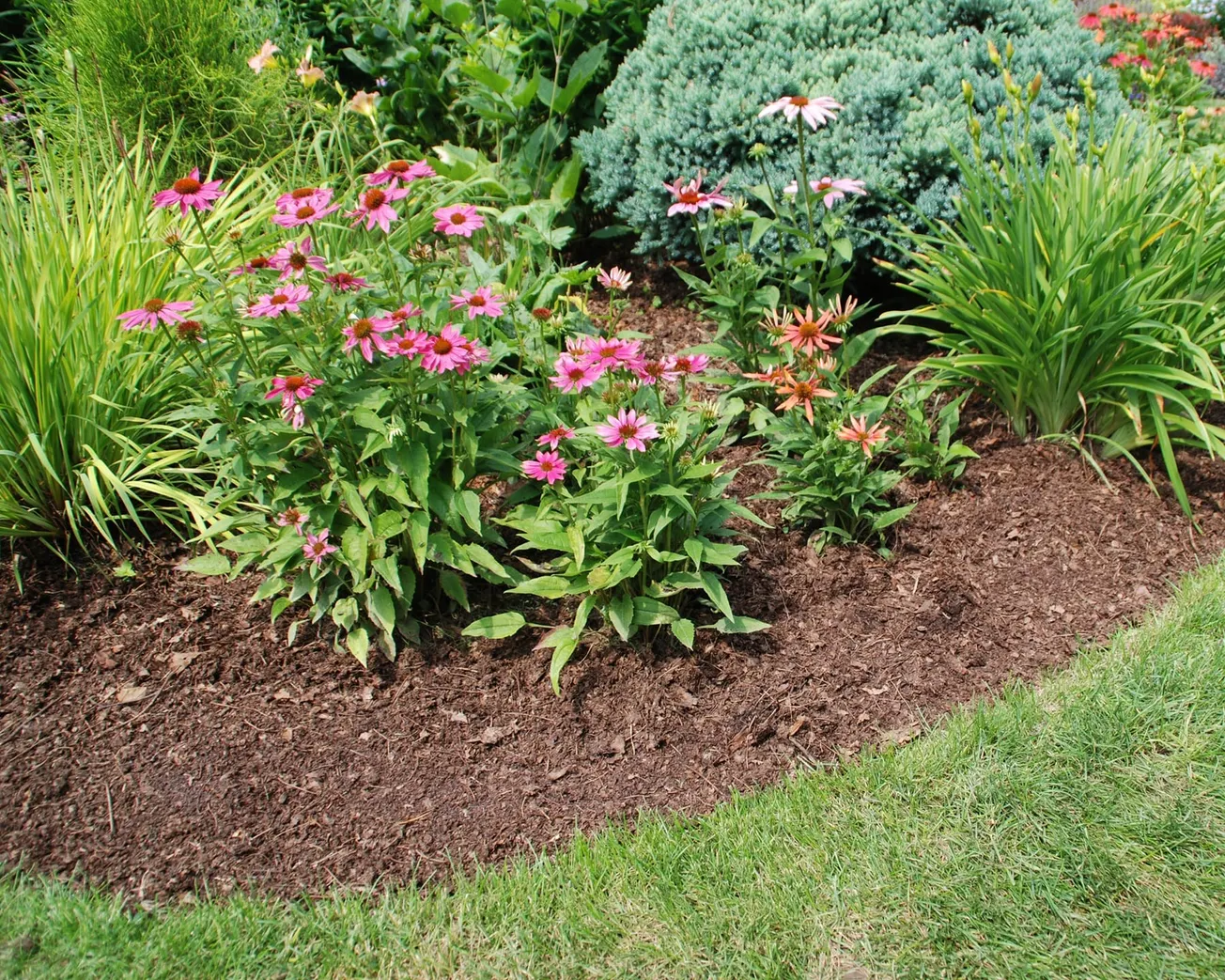
Mulch is a simple solution. Use a 2-to-4-inch layer of organic mulch like leaves, evergreen needles and woodchips on the soil surface surrounding the tree. The finer the mulch material the thinner the layer needed. Apply the mulch throughout the area under the tree’s dripline, if possible, or in a circle extending at least 3 feet all the way around the tree. Pull the mulch away from the tree trunk to avoid insect, disease and rodent problems.

Eliminating grass and covering the soil with mulch is also better for the tree and less work for you in the long run. Grass competes with the tree for water and nutrients and as you may have discovered, growing grass in the shade of some trees can be challenging. You also eliminate the need to hand trim grass growing near the tree, saving you time while protecting your tree from weed whip and mower damage.

Consider shade-tolerant perennials and groundcovers if mulched beds do not fit your design style. These plants eliminate the need to mow over surface roots. They are less competitive than lawn grass, protect the soil from erosion, help manage storm water, and add seasonal interest to your landscape.

Select plants suited to the growing conditions and hardy for your climate. Use caution when planting under mature trees. Avoid deep tilling that can damage not only the surface roots, but also the fine feeder roots that absorb water and nutrients. Instead, dig relatively small holes between major roots and allow the plants to fill in the area.

Mulch the soil surfaces around these groundcover plants with leaves, evergreen needles or other organic mulch. Water thoroughly once the plants are in the ground and often enough to keep their roots slightly moist throughout the summer. Gradually extend the time between watering to encourage the plants to develop a robust root system.

Invest a bit of time now to reduce ongoing maintenance, improve the health of your trees, and add beauty to your landscape.


Melinda Myers has written more than 20 gardening books, including the recently released Midwest Gardener’s Handbook, 2nd Edition and Small Space Gardening. She hosts The Great Courses “How to Grow Anything” instant video and DVD series and the nationally-syndicated Melinda’s Garden Moment radio program. Myers is a columnist and contributing editor for Birds & Blooms magazine, and her website is MelindaMyers.com, which features gardening videos, free webinars, monthly gardening tips, and more.

Comments