In the Garden: Bring fall indoors with garden-fresh arrangements
Snip and combine some seasonal blooms to create beautiful bouquets to enjoy in your home or share with family and friends. A stroll through your garden can provide needed inspiration and some colorful flowers, seedheads and foliage to include.
Gather your flowers in the morning after the dew has dried whenever possible. The temperatures are cool and plants are hydrated. Evening is the next best time. But don’t hesitate to collect and arrange flowers at the last minute for dinners and gatherings.
Take along a clean bucket of water and a sharp pair of bypass pruners or snips to the garden. Immediately placing the flowers in water will help prolong their vase life. Remove the lower leaves and let the flowers stand in a cool place, out of direct sunlight, in tepid water for several hours or better yet overnight.
Recut the stems at a 45-degree angle when arranging the flowers. This prevents them from sitting flat on the bottom of the vase and exposes more of the surface area to the water. Remove any additional foliage as needed. Leaves submerged in water tend to turn slimy and increase the risk of bacterial growth that decreases the life of your cut flowers.
Always use a clean vase and fresh water to maximize your cut flowers’ vase life. Add a floral preservative to the water to further extend their longevity. Check the water level often, making sure the cut ends are always covered with water.
Don’t overlook your perennials gardens and shrub borders for flowers and foliage to combine with annuals in your arrangements. Pick flowers at the right stage of flowering to ensure the flowers provide the best display and last the longest in your arrangements. In general, harvest spike-type flowers when one-fourth to one-half of the individual flowers on the spike are open. Wait to pick daisy-type flowers when they are fully open.
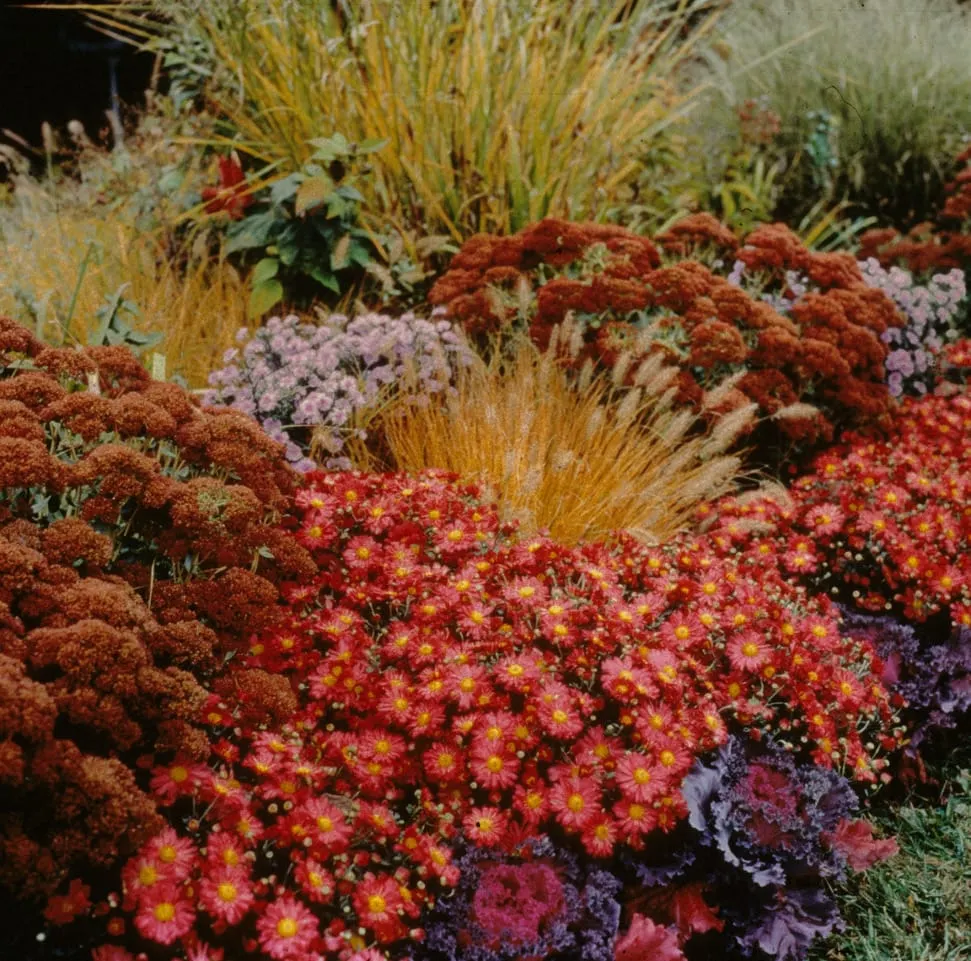
Look for stunning garden combinations like asters, mums and goldenrods when creating your fall arrangements. Harvest goldenrod as soon as the flower color is visible with half of the individual flowers in the cluster open. Pick asters and mums when one-fourth of the flowers in the cluster are open to enjoy them for up to seven to twelve days.
Consider adding ornamental grass’ flowers, foliage and seed heads to your arrangement. Look at houseplants and shrubs for more foliage options. Papyrus, New Zealand flax, cannas, prayer plant and monstera are just a few to try. Herbs like Rosemary, fennel, dill, sage, borage, and lavender add fragrance as well. Clip a branch or two from ninebark, boxwood, viburnum, pines, spruce, juniper, yews, or arborvitaes to add greenery and texture to your arrangements.
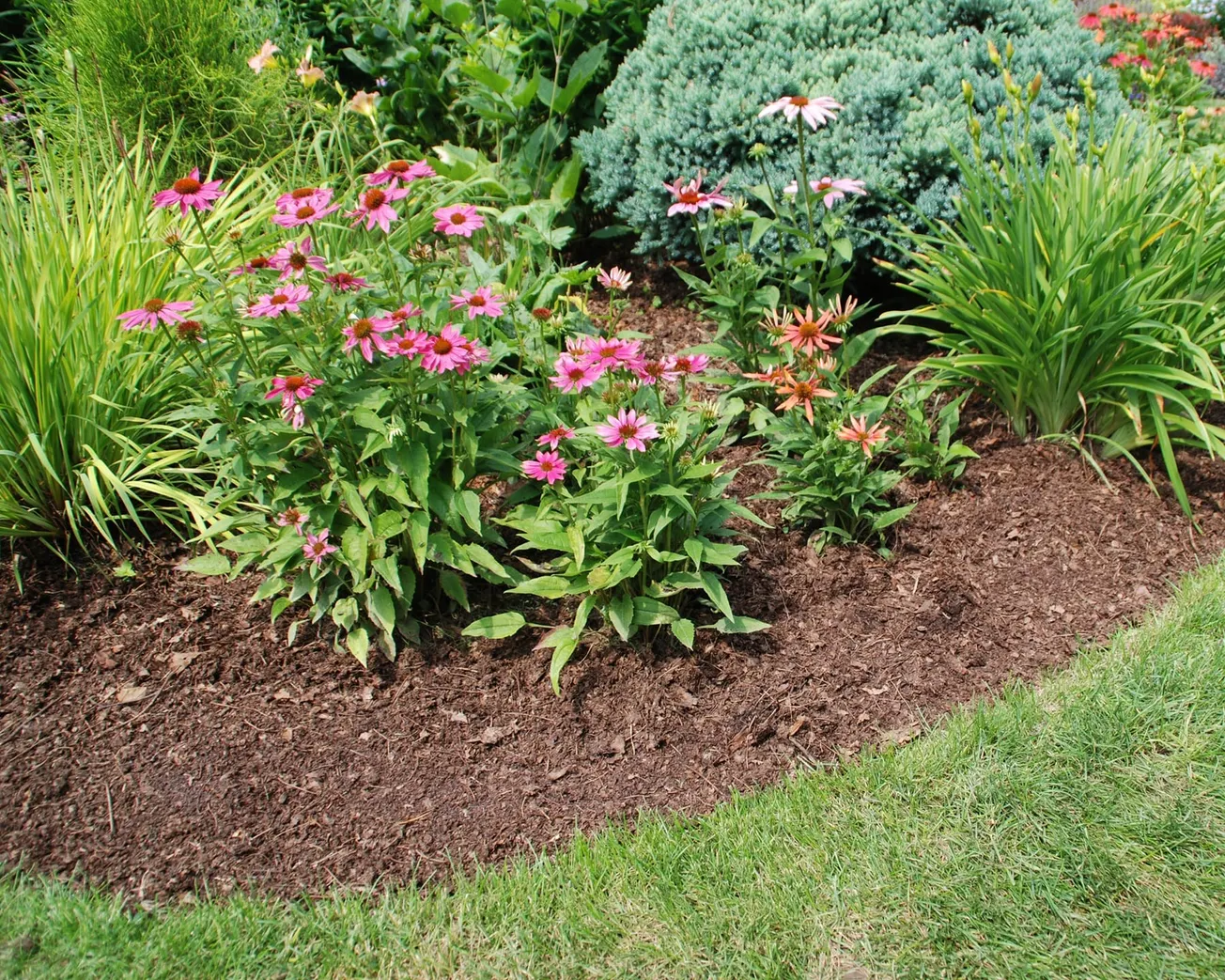
Watch for rudbeckias and coneflowers to shed their petals, the non-fertile ray flowers, then include the remaining seed heads in fresh and dried arrangements. Add a few seed pods of native baptisia and milkweed as well as Siberian iris for added fall flair in your bouquets.
Experiment by adding other garden flower favorites and evaluating how they perform as cut flowers. Make a few notes on those that worked well and do a bit of research to improve the vase life of those that did not. Even a short-lived arrangement will generate a smile and brighten your mood when bringing a bit of the garden indoors.
Melinda Myers has written more than 20 gardening books, including the Midwest Gardener’s Handbook, 2nd Edition and Small Space Gardening. She hosts The Great Courses “How to Grow Anything” streaming courses and the nationally syndicated Melinda’s Garden Moment TV & radio program. Myers is a columnist and contributing editor for Birds & Blooms magazine. Her website is MelindaMyers.com.