Skip to content

In the Garden: Boost your landscape's beauty with fall plantings

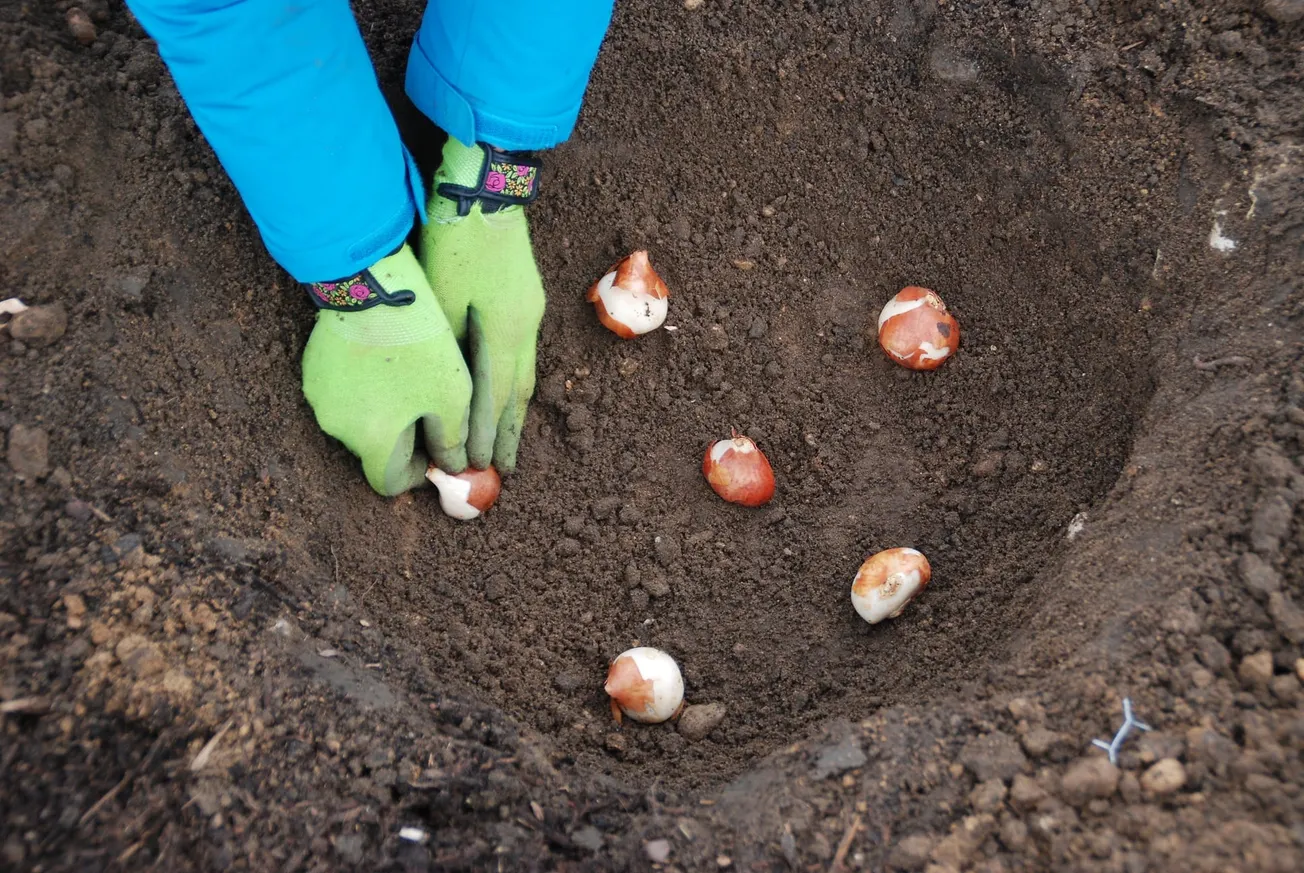
Plant daffodils, tulips, hyacinths and other bulbs in fall for additional color next spring. (Courtesy MelindaMyers.com)

Add some immediate and long-term beauty to the landscape with fall plantings. The soil is warm and the air cooler, making it easier for plants to adapt to their new location and more comfortable for gardeners.

Replace fading annuals and fill voids in the garden with pansies, snapdragons, ornamental kale, stocks and other cool weather plants. Use cold-hardy pansies that provide color in the fall garden, survive most winters, and come back blooming in the spring just as the snow melts. Pop in a few pumpkins, decorative squash and gourds for a bit of fall flair.

Create or purchase container gardens filled with fall favorites. Set them by a front entrance or on a patio, balcony or deck. Gardeners will enjoy this last bit of color, and the pollinators will enjoy the nectar and pollen as fall fades to winter.

Consider making a few permanent changes with perennials, trees and shrubs. Use them to enhance an existing landscape or replace those that have outgrown their location or were damaged by this summer’s storms, extreme heat and drought. With the warmer soil and cooler air, plants are less stressed and establish more quickly. Give new plants plenty of room to reach their mature size. Small transplants will eventually grow to large specimens. Temporarily fill the voids with annuals for immediate results. Each year, fewer are needed as the plants grow.

Plant trees so the root flare, the place where the roots curve away from the trunk, is even with or slightly above the soil surface. Dig a hole the same depth as the distance from the root flare to the bottom of the rootball. Make the hole two to five times wider than the rootball. Roughen the sides of the hole and backfill with the existing soil. Water thoroughly and spread a two-to-three-inch layer of mulch over the soil surface, keeping the mulch away from the tree trunk.

Follow a similar planting procedure for shrubs. Plant them so the crown, the place where the stems meet the roots, is even with the soil surface. Be sure to keep the mulch away from the stems.

Make sure all plantings are properly watered throughout the fall. It takes perennials, trees and shrubs several years to become fully established.

Call 811 or visit va811.com at least three business days before digging. This free service will contact all the utility companies who will mark the location of their underground services in the work area. It’s an important step to reduce the risk of injury and the inconvenience and expense incurred if an owner damages a utility and does not make the call.

Plant daffodils, tulips, hyacinths and other bulbs in fall for extra color next spring. Add them to perennial and mixed borders. Start planting spring flowering bulbs after the nighttime temperatures hover between 40 and 50 degrees. Be patient since waiting until the soil cools reduces the risk of early sprouting that often occurs during a warm fall.

Set the bulbs at a depth of two to three times their height deep. Check the label for recommended spacing specific to the type of bulbs. Then cover them with soil, sprinkle on a low nitrogen slow-release fertilizer, working it into the top few inches of the soil and water.

If critters are digging and eating the bulbs, plant the ones they tend to ignore. Daffodils, hyacinths, fritillarias, alliums, snow drops and grape hyacinths are a few to consider. Otherwise, protect animal favorites like tulips and crocus with repellent, chicken wire, or bulb cages at planting. Then in spring, apply repellent as the bulbs burst through the ground.

Take advantage of the fall weather and often slower gardening time to add beauty to the landscape with fall planting. It will reduce the workload next spring and provide welcome color throughout the growing season.


Melinda Myers has written more than 20 gardening books, including the recently released Midwest Gardener’s Handbook, 2nd Edition and Small Space Gardening. She hosts The Great Courses “How to Grow Anything” instant video and DVD series and the nationally-syndicated Melinda’s Garden Moment radio program. Myers is a columnist and contributing editor for Birds & Blooms magazine, and her website is MelindaMyers.com, which features gardening videos, free webinars, monthly gardening tips, and more.

Comments