Chesapeake Challenge: Fall back on these items for hiking missteps
Editor's note: The Chesapeake Challenge is a monthly column in the Chesapeake Bay Journal and is republished here with permission through a partnership.
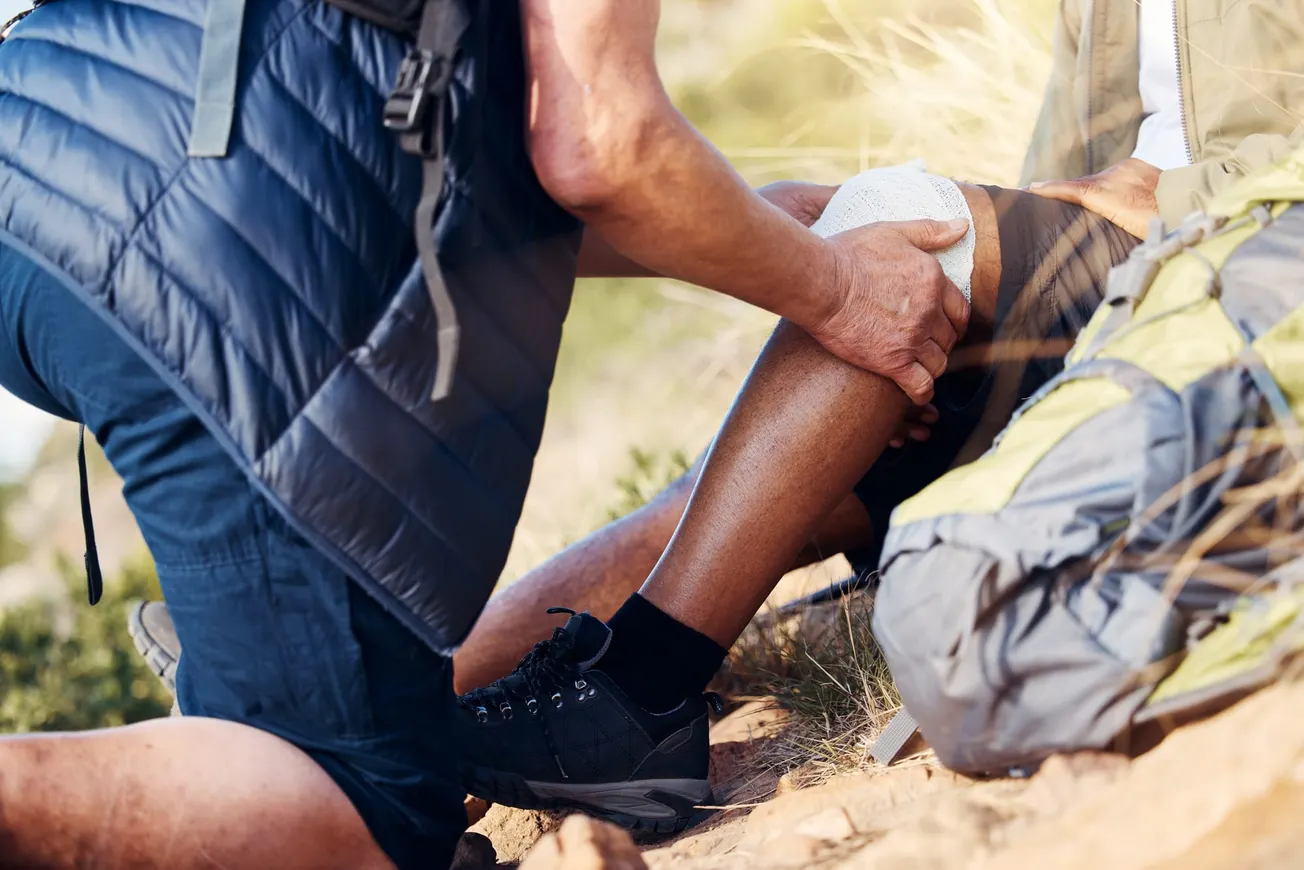
Most hiking gear advice focuses on taking only what’s needed to conserve weight. The exception is a first aid kit, and everyone who packs one hopes it will never be needed.
While there are a variety of ready-made kits for sale, if you want to assemble your own, here’s a list culled from outdoor and first aid websites for some of the most common mishaps on a day hike. It does not address every possible situation or extreme terrain that might involve additional recommendations. For short hikes, some of these items may not be necessary.
For bleeding: Adhesive bandages in many sizes. Alcohol-based sanitizer. Cleansing/antiseptic pads with anesthetic. Topical antibiotic. Tweezers to remove debris in wounds (also for splinters and ticks). And more for (bad) luck: Four-inch wound-closure strips and a variety of sterile gauzes to dress wounds. Gauze roll and/or medical tape to hold dressing in place. Scissors or small knife to cut bandages/gauze. Nitrile gloves.
For bones, bumps, bruises: ACE or other rubberized bandage. Safety pins. A splint or something that can function as one.

Pack what works for you! Ibuprofen, acetaminophen, aspirin. Don’t forget remedies for known conditions. Put prescriptions in a labeled bag. If you have allergies, pack antihistamines and/or hydrocortisone for mild reactions. EpiPen for severe allergies. Inhaler for asthma.
Can’t take the heat?Consider dehydration or heat exhaustion remedies like rehydration salts or an instant ice pack.
For burns and blisters: Sunscreen. Moleskin (apply as soon as hotspot presents itself to prevent a blister). Didn’t heed earlier advice? Non-adherent sterile dressing (cover blisters, burns).
Miscellaneous: CPR/first aid card/booklet. Be familiar with its contents: An emergency is not the best time to read the information for the first time. Notepad with waterproof pencil/pen.
Common sense: Not found in stores. Many injuries are avoidable; know your limits. Also, know how to properly use first aid items before the hike.
Haute couture, trail edition
Experienced hikers know that fashion-forward is all about function. This quiz offers tips on outfitting yourself from toe to head. Answers are below.
1. Well-fitting, broken-in hiking shoes/boots are the way to go, especially on rocky terrain or when carrying a backpack. Because feet expand at certain parts of the day, it is important to shop for footwear when they are the most swollen. What time of day is this?
A. Morning
B. Afternoon
C. Evening
2. Socks that reach above your boots help to prevent chafing and blisters. They also help to shield you from ticks and poison ivy (tuck your pants into them). Which two of these materials are recommended for socks?
A. Pure, heavyweight cotton
B. Merino wool
C. Polyester/nylon/elastane/lycra blends
3. Jeans can chafe legs and dry slowly after getting wet. What features should you look for when looking for hiking pants?
A. Abrasion resistance
B. Loose fit for mobility
C. Breathability
D. All of the above
4. Cotton poses a large hypothermia risk in cold weather. It absorbs sweat and, once wet, can conduct heat away from the skin up to 240 times faster than dry air. Your best bet is moisture-wicking synthetic fabrics or natural fibers such as silk or merino wool. Wool is preferred. Why?
A. It never goes out of style.
B. It doesn’t hold smells like some synthetic fabrics.
C. It is insulating, even when wet.
5. Many fabrics used for hiking shirts have built-in sun protection or UPF (ultraviolet protection factor). A UPF 40 shirt only lets 1/50th of the sun’s UV rays pass through. What is the approximate UPF factor of a lightweight cotton T-shirt?
A. 0
B. 5
C. 15
6. A jacket that protects you from the elements is crucial. Do you know the difference between waterproof and water-resistant? Match the terms with their description.
A. It has microscopic pores that allow sweat to escape but prevent all but the heaviest rain from getting in.
B. Sweat doesn’t escape, and rain doesn’t penetrate.
Answers
1. B
2. B & C
3. D
4. A
5. B
This article originally appeared in the Chesapeake Bay Journal and is republished here with permission through a partnership. The Bay Journal is an award-winning nonprofit news organization that has been covering environmental issues in the Bay region, such as water quality, land use, forest health, fish, agriculture, crabs and other related topics, for more than 30 years.
Email columnist Kathleen Gaskell at kgaskell@bayjournal.com.