Tires, foam and pounds of trash: What Henrico pulls from streams each month
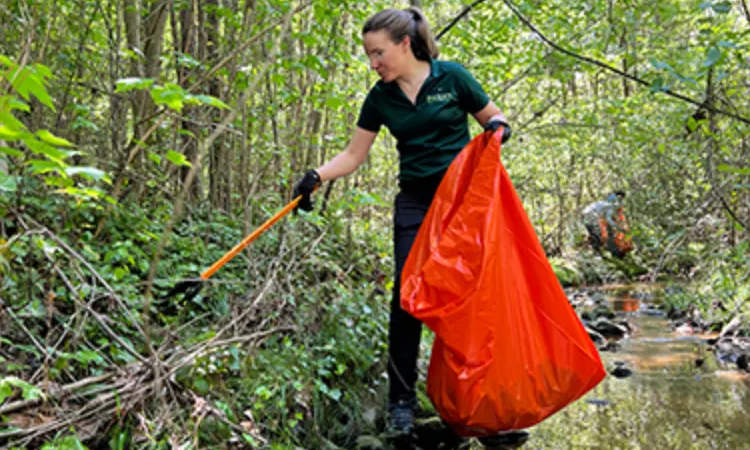
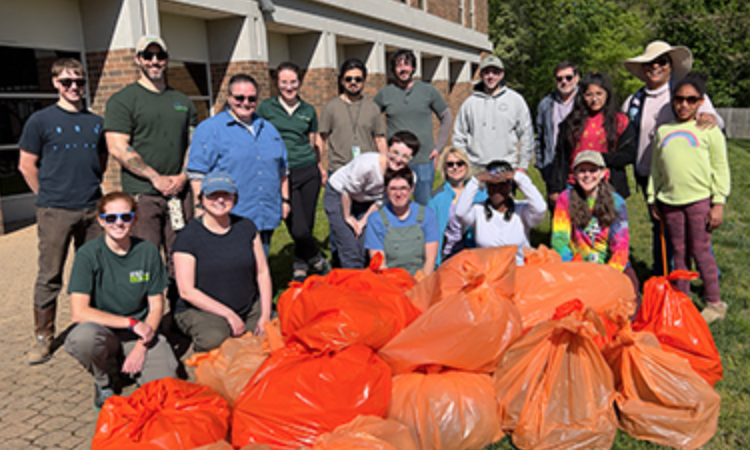
Ten volunteers gathered at Hidden Creek Park Sept. 4 for a stream cleanup hosted through HEART — Henrico's Environmental Action Resource Team — clearing litter from the park’s grounds. It’s one stop in a larger, ongoing effort to keep the county’s waterways clean, an effort that runs on two different tracks: one public and volunteer-driven, the other a professional operation.
HEART is made up of representatives from Henrico County agencies, schools and the community, all working to push forward the county’s environmental initiatives. The group functions as a kind of internal think tank, aiming to streamline sustainability efforts across departments from protecting natural resources and expanding green space access to improving climate resiliency.
Streams are a particular focus, as they carry rainwater into the Chesapeake Bay and, ultimately, the Atlantic Ocean, making them a critical piece of the region’s ecological health. Henrico has completed several stream restorations over the years and continues to add new projects aimed at protecting the waterways for future generations.
HEART's public-facing stream cleanups have become a steady part of that work. The county has held 12 stream cleanups since the volunteer program began, according to Sanni Wagenaar, an environmental health and habitat specialist with Henrico County.
The recent cleanup at Hidden Creek Park cleaned the park area but did not extend into the wooded sections of the stream, according to David Swing, a capital projects coordinator with Henrico County’s Department of Public Works, who hosted the event.
That’s because the woods are the site of active work.
The county approved an $838,000 contract in 2025 to restore the Hidden Creek Park stream, recreating its natural pattern to prevent erosion as part of Henrico’s Municipal Separate Storm Sewer System permit obligations.
Efforts to reduce mosquito breeding
HEART held a similar earlier this year near Adams Elementary School, where a separate stream restoration project had recently wrapped up, part of the same pattern of pairing volunteer cleanups with completed or ongoing restoration work.
That boundary, where volunteers working the accessible park areas, restoration and specialized crews handling the wooded stream zones, reflects a larger, two-track system most residents never see.
Henrico’s Vector Surveillance and Control division conducts monthly cleanups at pre-scouted streams and riparian buffers across the county (including near Hidden Creek Park), according to Wes Robertson, an environmental and vector management specialist supervisor with VSC and certified medical entomologist. The program serves a dual purpose: reducing mosquito breeding habitat and protecting natural habitat more broadly.
Mosquito data is not gathered as part of the volunteer cleanups, Swing noted – a distinction that separates HEART’s community events from the county’s other, mosquito-focused cleanup program.
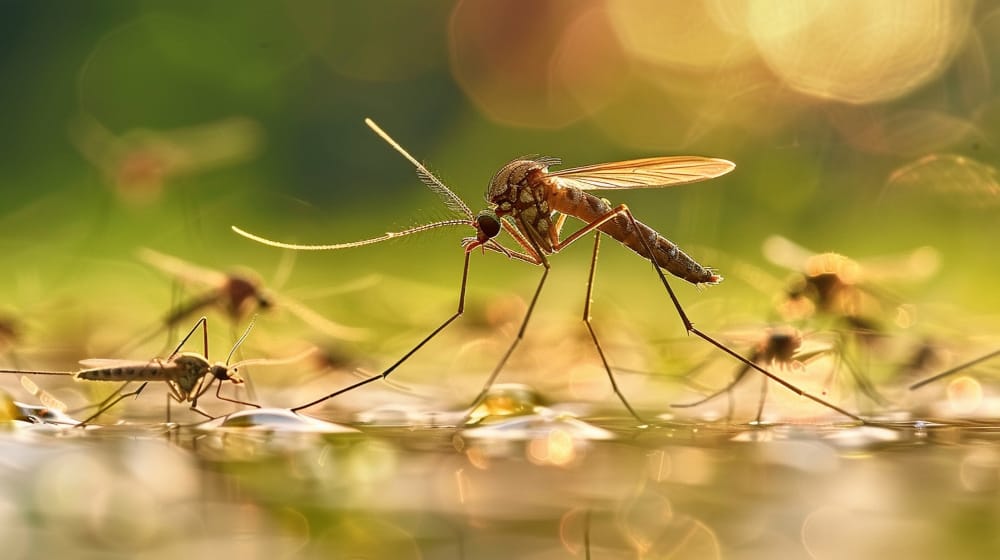
The connection between trash and mosquitoes is direct, Robertson said. Henrico’s primary nuisance mosquito, the Asian Tiger mosquito, breeds exclusively in man-made containers, meaning the plastic bottles, cans, tires and other debris that accumulate in streams create ideal breeding grounds.
By clearing that debris, VSC crews are cutting off the mosquito’s habitat at the source.
“Beyond pest control, our environmental team takes great pride in protecting Henrico’s natural habitats through direct cleanup efforts,” he said.
The scale of what they remove is significant.
During the past year, VSC’s cleanups have expanded, typically pulling between 200 and 1,500 pounds of trash from a single stream during a standard three- to four-hour session, Robertson said. A typical haul includes large volumes of plastic bags, food packaging, plastic bottles, glassware, aluminum cans, foam and sheet plastics, along with tires and occasional heavier items like metal parts, old clothing and rags.
Because of the sheer volume, Robertson said, most streams require multiple sessions before they’re considered restored.
Unlike HEART's public cleanups, VSC’s program does not currently accept volunteers. Each cleanup relies on a dedicated crew of as many as 15 county employees, organized into specialized teams: a water-based team, a riparian buffer team, a transport team and a management team.
How to get involved
Together, the two programs reflect a broader county commitment to stream health: one visible and community-driven and the other operational and largely invisible to residents who benefit from it.
Both trace back to the same underlying concern – streams that carry stormwater into the Chesapeake Bay watershed need regular attention to function as habitat and to protect water quality downstream.
Residents interested in joining the visible half of that effort can attend HEART’s next stream cleanup on Monday, Oct. 12, at Brook Road Neighborhood Park. Register here.