Skip to content

Va. lawmakers consider digital protections for children as app store accountability debate continues


Emily Harrison, a mother of two in the city of Roanoke, said federal lawmakers have not updated the country’s law to protect children’s online privacy in nearly 30 years, even as technology has changed dramatically. 

“We’re just looking, as parents, for the same level of protections in the digital world that we have in the physical world,” Harrison said in a phone interview. 

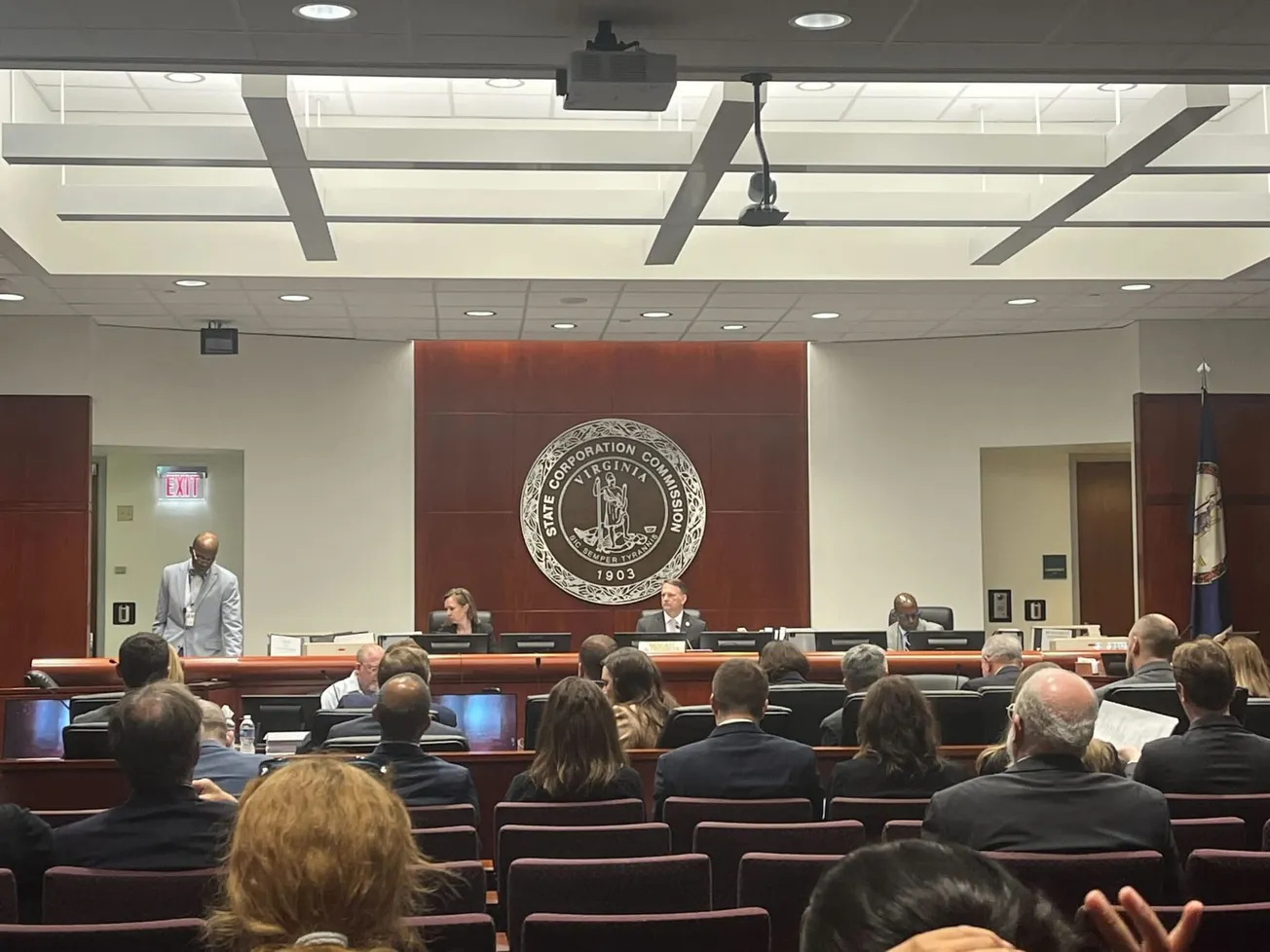
On Wednesday, the Joint Commission on Technology and Science, made up of state lawmakers, accepted several policy options as guiding principles for future legislation but stopped short of cementing any new recommendations.

Harrison, the founder of Virginia Unplugged, a group of volunteer parents advocating for the well-being of children, said she plans to continue working with Virginia lawmakers to develop legislation addressing minors’ exposure to inappropriate content until a new federal law emerges. 

Virginia lawmakers debate legislative options

Under the Children’s Online Privacy and Protection Act, the 1998 law only regulates data collection and how personal information is shared for children under 13. The privacy law does not cover app downloads or purchases, limiting how far current protections reach.

On Wednesday, lawmakers considered a measure that would further require app store providers like Google and Apple to independently audit their products’ age ratings and content descriptions. 

This step would also require parental controls to be easy to find, understand, and configure, and require app stores to provide a clear and conspicuous mechanism to improve oversight.

Another idea the committee discussed was limiting parental consent to apps rated above the account holder’s age category and apps offering in-app purchases. 

App store providers would also be required to give parents a centralized dashboard to set consent preferences by age rating or per download, and providers would collect and publicly report data on verification, consent requests, blocked downloads, purchases and complaints.

Sen. Chris Head, R-Botetourt, introduced legislation last session that would have created the App Store Accountability Act, requiring app store providers — not app developers — to verify account holders’ ages, obtain parental consent when needed and share that information with developers to shift responsibility.

The Senate General Laws and Technology Committee continued the proposal to the upcoming legislative session starting in January for further study by JCOTS, keeping the issue open for more review.

Committee members expressed interest in the proposal, but said they wanted to seek additional expertise to clarify the legal risks, including ones  encountered in Texas, so that the legislation is drafted correctly and avoids litigation.

Five months after the committee met, the U.S. Supreme Court declined to block Texas from enforcing its app store age verification law.

Head argued in February that platform operators and developers should bear responsibility for preventing minors from accessing harmful content, making accountability a central issue. 

Drawing a comparison to retailers that sell age-restricted products such as alcohol and tobacco, Head said app stores should be responsible for verifying users’ ages and face consequences when they don’t.

Head said framed the failure to protect young people from dangerous apps and online as a public safety risk.

“I think the same thing holds true for app stores,” Head said on Feb. 4. “They are carrying all of these products in their store, and they’re making them available to a lot of people, but they’re not screening who’s buying. And that’s really, really dangerous because there’s a lot of nefarious stuff that’s out there.”

Commission concerns

While the commission acknowledged youth are being exposed to potentially harmful content online, they raised concerns about the effectiveness, privacy and prematurity of Head’s proposal. 

Age checks might not work since kids can bypass app stores, which could create privacy and security risks if sensitive age‑verification data about minors is collected and stored, they said.

Because a safe, workable age‑verification model has not been developed yet, lawmakers said they didn’t want to approve a law prematurely. 

Jodi Kuhn, executive director for the commission, said staff will conduct more research, follow how other states are moving forward with their age verification proposals and see if there are better options in the future for the commission to consider. 

“But for this year, we are not recommending anything specifically,” Kuhn said.

After the meeting, Harrison argued that Virginia should lead rather than follow other states especially after the law in Texas was upheld.

“Virginia should be a leader on protecting minors, not punting to see what other states are doing because it is our responsibility to protect Virginia kids,” Harrison said. 

State lawmakers will have until the start of January to propose any legislation for the next session.


Virginia Mercury is part of States Newsroom, a nonprofit news network supported by grants and a coalition of donors as a 501c(3) public charity. Virginia Mercury maintains editorial independence. Contact Editor Samantha Willis for questions: info@virginiamercury.com.

Comments