Henrico revokes fire investigators' access to license-plate reader system; 5 criminal cases affected
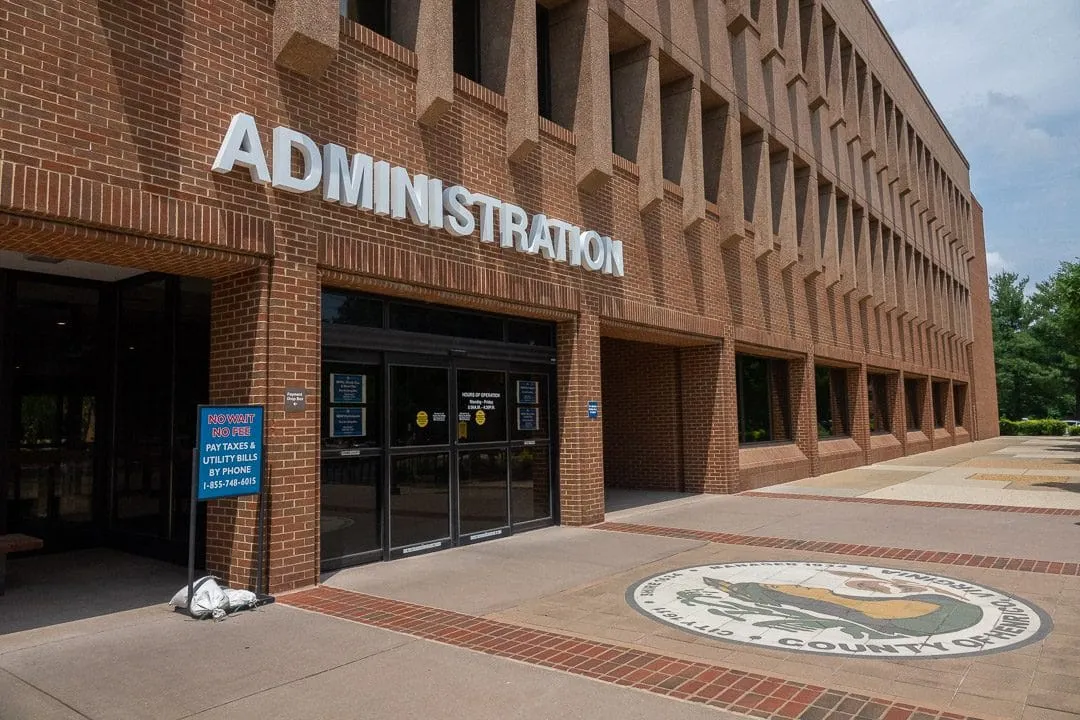
Henrico County officials have revoked 10 fire investigators’ access to the county police division’s automatic license plate reader system after determining that the access violated a Virginia law that took effect last year.
The issue also has implications for five criminal cases in which Henrico Fire Marshal’s Office investigators obtained evidence through the system. County officials said that evidence will not be used in those cases.
Henrico Police, in consultation with the Henrico County Attorney’s Office, rescinded access for the 10 Fire Marshal’s Office members Aug. 18 following an internal review, county officials announced Aug. 20.
The fire investigators previously had been granted access to the automatic license plate reader, or ALPR, system because their work includes criminal investigations involving violations of state or county codes. Although Henrico fire marshals are sworn law-enforcement officers, a state law that took effect in July 2025 limits use of ALPR systems to members of specifically defined law-enforcement agencies.
The state definition includes employees of police departments and sheriff’s offices, as well as 13 other types of law-enforcement personnel, including campus police officers and Virginia Alcoholic Beverage Control special agents. Fire marshals, however, are not included. Henrico’s fire marshals are employees of the county’s Division of Fire.
“The granting of access to sworn law-enforcement officers not authorized under Virginia law was an oversight that was corrected as soon as it was discovered,” Henrico County Attorney Andrew R. Newby said.
Newby said the county and police division are committed to limiting use of the technology to law-enforcement purposes permitted under state law.
County officials said their review found no evidence that the fire investigators had used the system for improper purposes. Although they should not have had access to it, their actual use of the technology was consistent with the purposes permitted by Virginia’s ALPR law, officials said.
But evidence they obtained through the system will not be used in criminal prosecutions, following consultation between county officials and the Henrico Commonwealth’s Attorney’s Office.
Five cases are affected, according to the county. Henrico officials did not identify the cases, indicate whether they are pending or resolved, or specify what role the license-plate reader evidence played in the investigations.

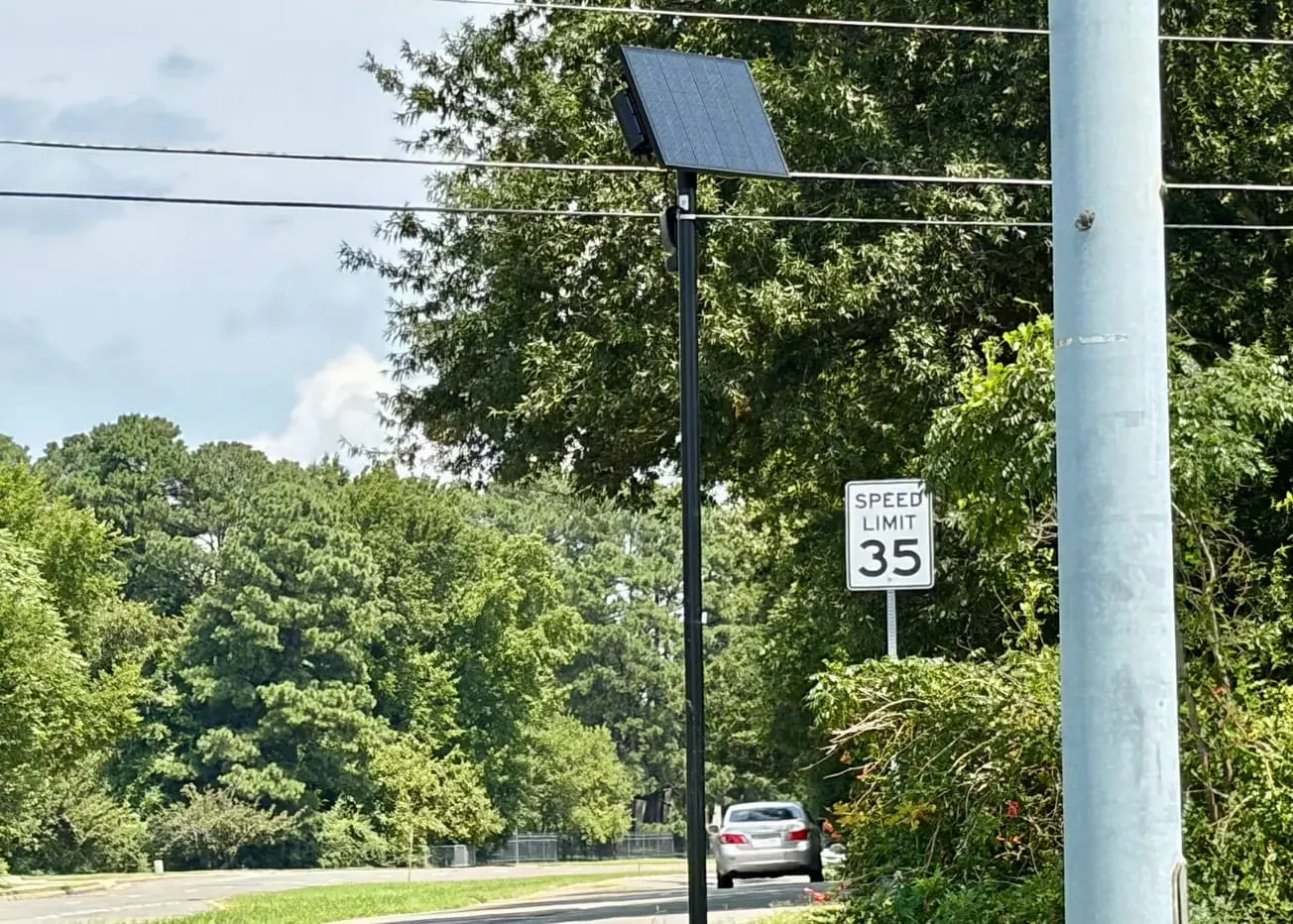
Automatic license plate readers use cameras to capture license plate information from passing vehicles and allow law-enforcement agencies to compare those records with information associated with criminal investigations, stolen vehicles, missing people and other authorized purposes.
Henrico Police policy states that ALPR technology may be used to help detect violations of law, recover stolen property, apprehend fugitives, locate missing or endangered people and assist with criminal investigations. The technology is intended to identify vehicles rather than people, according to the policy.
The policy requires users to provide a specific reason and associated police record or case number when searching the system. Searches are logged and are supposed to be audited at least once every 30 days. Misuse can result in disciplinary action as well as potential criminal or civil penalties.
Henrico has used automatic license plate readers for several years and has expanded the system over time – to 128 locations as of this summer – through its contract with Flock Safety, which is currently in its fourth year. The department also has partnered with businesses and homeowners associations that purchased their own equipment to assist with investigations.
Police credited the technology in 2024 with helping officers locate a missing juvenile who was the subject of an Amber Alert.
The county's announcement did not indicate when Fire Marshal's Office investigators initially were given access to the ALPR system, how many searches they conducted before their access was revoked, how the issue was discovered or whether any additional review of past searches is underway.