
Henrico 'keeping an eye on' low James River levels amid statewide drought warning
Virginia is experiencing its driest summer since 1941, with Gov. Abigail Spanberger saying that Southside and Central Virginia are particularly vulnerable to extreme drought conditions.
Henrico and other Central Virginia counties have been under a drought warning advisory since April. As of last week, the U.S. Drought Monitor placed Western Henrico under “extreme drought” conditions and most of Eastern Henrico under “severe drought” conditions, with the southeast portion of Varina placed under “moderate drought.”
While some counties such as Louisa and Caroline have implemented mandatory restrictions on water usage, Henrico officials say they hope to avoid that measure. Since June 1, Henrico has been releasing 64 million gallons of water per day from the Virgil R. Hazelett Reservoir at Cobbs Creek in Cumberland County back into the James River (about 1.4 billion gallons in total), keeping river levels high enough to avoid further drought conditions.
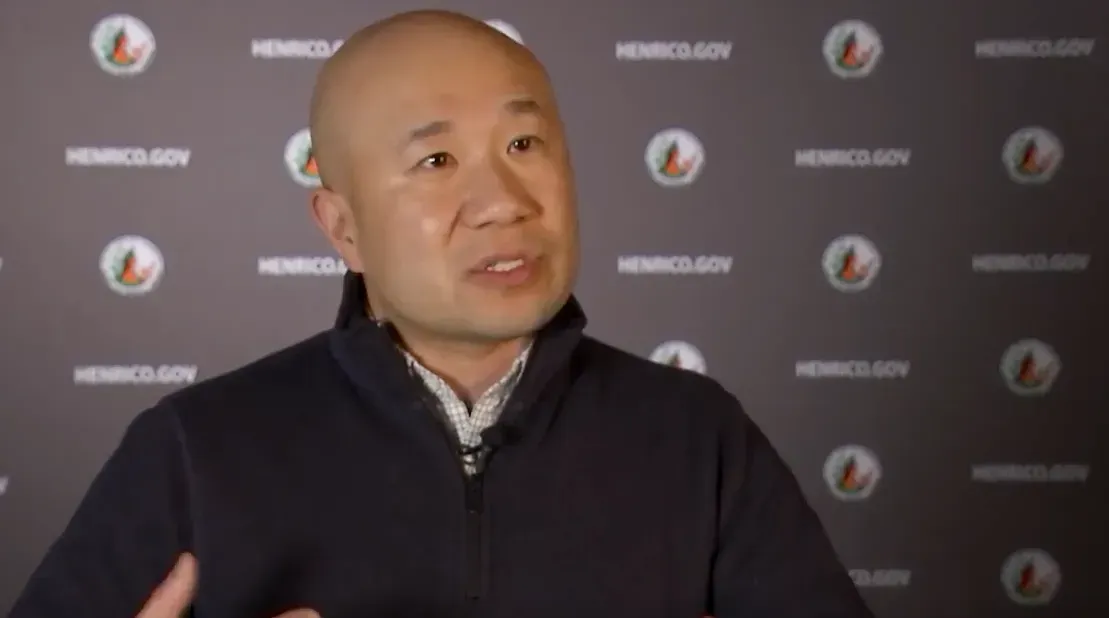
The James River is currently sitting at about 857 gallons of water, which is high enough to put Henrico in an “okay” spot, said Henrico Department of Public Utilities Director Bentley Chan, but that number is expected to go down during even drier days in July.
“We think that we will be good moving into July 1, when those levels drop off and you’re expected to have a lot less water in the James River, but I will say that we’re keeping an eye on this on a daily basis,” Chan said.
“We’ve been able to shave it a little bit, but we haven’t been able to put enough water back into the James to raise it to a level to be outside of drought conditions,” he continued. “You need the combination of the reservoir water as well as a fair amount of rain to get us out of the situation that we’re in now.”
Despite growing concerns in Virginia about how data centers will impact the state’s water levels, Chan said that the about one dozen data centers in Henrico are “relatively low” in water usage compared to other large commercial and industrial facilities in the county. He also said data centers would “be treated like any other commercial customer” if water restrictions were implemented.
“Manufacturing [facilities], apartment complexes, hospitals – all of those things use a lot more water than data centers,” Chan said.
Henrico has not had to implement mandatory water restrictions since the early 2000s. If restrictions had to be implemented, the county would either limit or prohibit activities that use a large amount of water, including irrigation, car washing, filling pools, and filling fountains. Penalties would also apply to residents who violate restrictions: the first penalty being a warning, the second being a $50 fine, and the third being a $100 fine.
The last time Henrico had to apply restrictions proved difficult for officials to enforce, Chan said, since the county has to rely on staff driving around neighborhoods to check for violations and on residents reporting their neighbors.
In the meantime, Spanberger has urged Virginians to voluntarily conserve water by reducing lawn and garden watering, turning off fountains, limiting pavement and car washing, and limiting the filling of pools. If drought conditions persist, Spanberger could implement mandatory regulations statewide.
Liana Hardy is the Citizen’s government and education reporter. Support her work and articles like this one by making a contribution to the Citizen.