Dominion-NextEra accept some proposed protections in merger case, rejects rate and staffing freeze
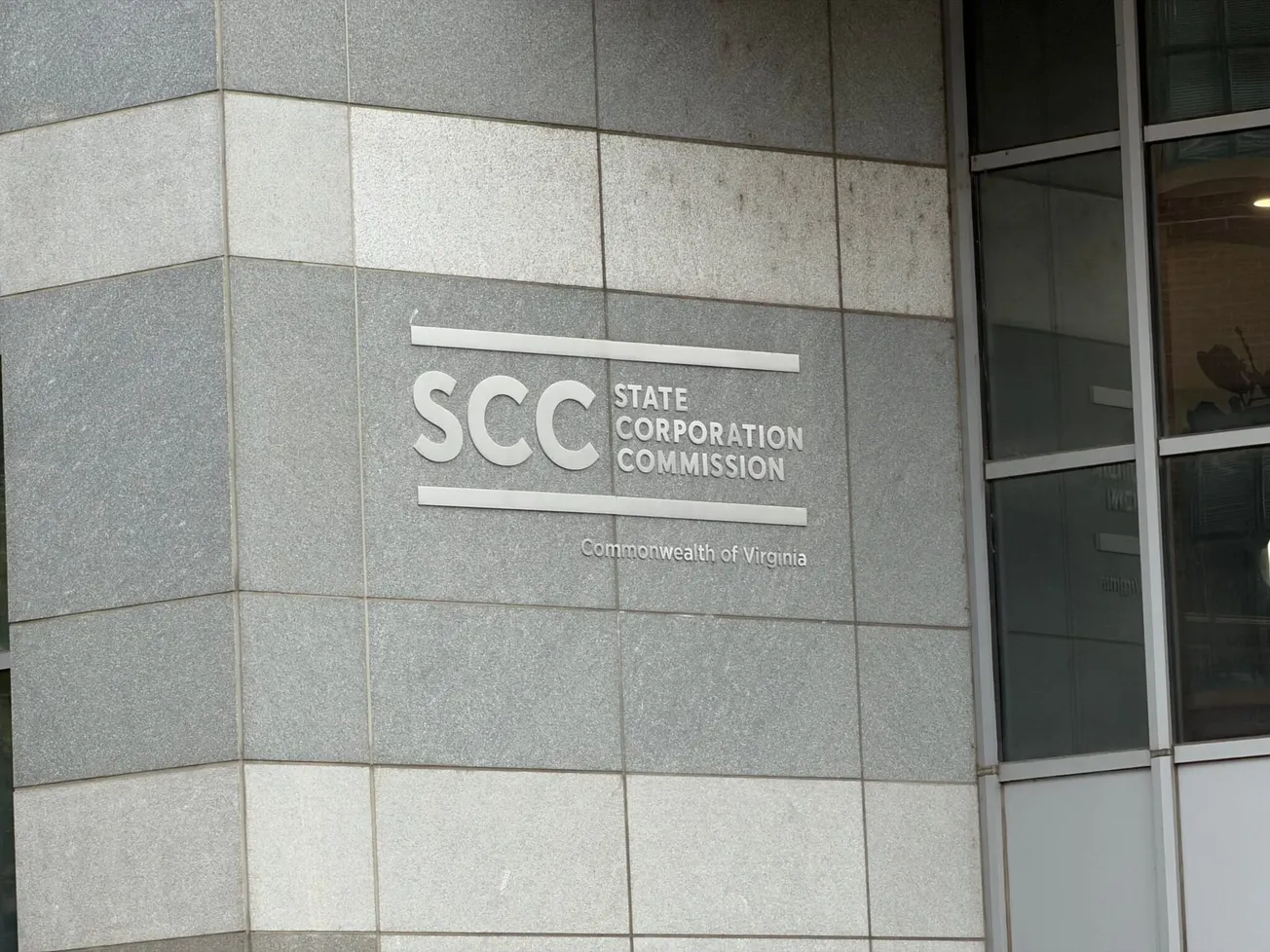
In the final days before the Dominion Energy and NextEra merger case is set to begin at the State Corporation Commission, the companies are responding to a list of recommendations and conditions that staff members at the SCC and the Attorney General’s Office laid out as critical changes needed before commissioners approve the merger.
The all stock trade of the two companies is valued at $67 billion and would create the largest regulated utility in the country. In pre-filed testimony for the case, SCC staff suggested that the companies had not met their burden of ensuring “that adequate service to the public at just and reasonable rates will not be impaired or jeopardized by granting the prayer of the petition” as mandated by the Utility Transfers Act.
Dominion CEO Bob Blue stated in his rebuttal testimony that “while the standard does not have a 'net benefit' demonstration requirement as may exist in other jurisdictions, I likewise believe that it is not a weak burden. It is a reasonable one. Virginia…allows these types of corporate transactions to go forward so long as there is assurance that the essential functions of the public utility will not be compromised.”
The two companies were given a slate of policy changes that both the SCC and Attorney General’s staff said would create reasonable protections for ratepayers in the case of bankruptcy, protect people currently employed by Dominion, and ensure rates won’t spike if the merger is approved. Dominion and NextEra accepted a number of the recommendations, but did reject some or offered alternatives.
Chief among the recommendations that the petitioners rejected were the suggestions to freeze rates for three years, to keep the current staffing for 10 years, and to only implement separating finances and resources, otherwise known as ring-fencing, in specific “trigger events.” The companies also rejected the suggestion that if the combined companies would downsize their current Virginia offices they would need SCC approval.
The two companies did accept several recommendations that ranged from allowing Dominion to be the entity to determine how it will meet load growth demand. Staff also recommended that “(Dominion) establish a bankruptcy remote Special Purpose Entity (SPE) to serve as (Dominion’s) direct parent and sole shareholder,” in the case of bankruptcy. This means a separate legal entity would insulate the parent company from financial risk by taking over resources, projects, or shares of the company. However, the joint petitioners amended that proposal to mean the separate entity would be assigned those resources only in specific cases, such as a rating drop of two credit ratings.
The discrepancy between what was rejected or amended by the company from the list will be litigated in the full case before the commissioners.
The overall proposal for the deal remains the same heading into the evidentiary portion of the case which includes: maintaining a bill credit of about $10 a month for the average residential customer, keeping current staff numbers for five years, building an office building in downtown Richmond, and investments in weatherization and workforce development.
The list of recommendations made by Gov. Abigail Spanberger and Chief Energy Officer Josephus Allmond were not addressed in the rebuttal by the two companies. Some of their requests included increasing the monthly bill credit to $29, freezing base rates for six years, and formulating a new separate subsidiary for building zero-carbon energy generation to serve large data centers.
Blue stated in his rebuttal that some of those issues do not belong in the merger case and should be litigated in a biennial rate case for the company instead — and should not be a basis for the merger to be denied by the commissioners.
“The proposed transfer of control is not due to be denied simply because various Intervenors’ “wish lists,” which I alluded to above, have not been satisfied,” Blue’s Nov. 2 testimony reads. “While those “asks” may be (and in many cases have been) a permissible proposal in a biennial review or other Commission proceeding, they simply are not a basis to assert that the Joint Petitioners have failed to demonstrate that NextEra’s combination with Dominion will not impair or jeopardize adequate service at just and reasonable rates.”
Public testimony will begin on Nov. 5 both telephonically and in person. The evidentiary portion of the case is set to begin on Nov. 17.
Virginia Mercury is part of States Newsroom, a nonprofit news network supported by grants and a coalition of donors as a 501c(3) public charity. Virginia Mercury maintains editorial independence. Contact Editor Samantha Willis for questions: info@virginiamercury.com.