Dominion asks SCC to recover an additional $922 million for fuel costs over multiple years
Advocates, lawmakers push SCC to scrutinize the company’s energy need calculations and practices.

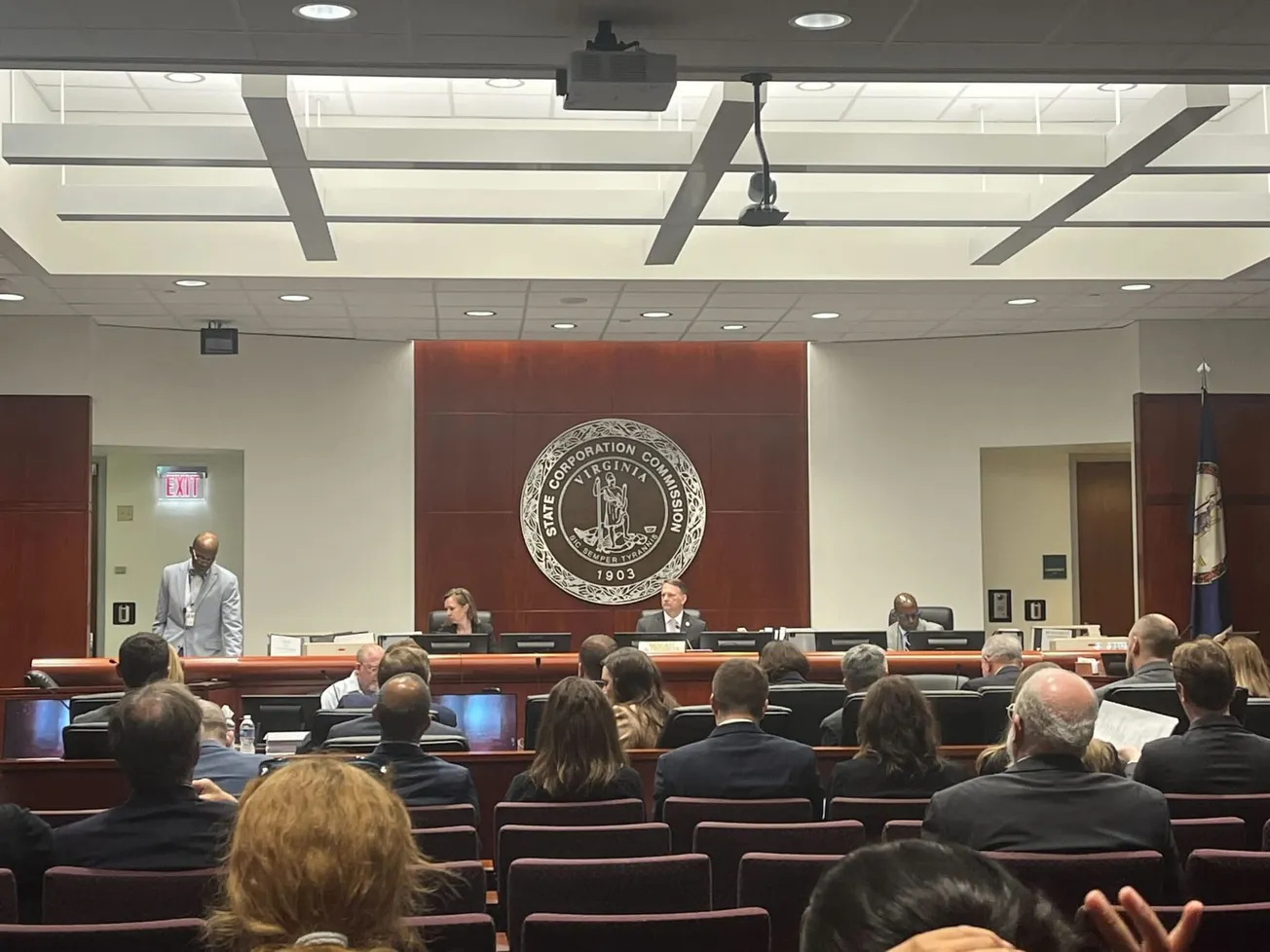
Dominion Energy asked the State Corporation Commission for permission to recover an additional $922 million in fuel costs, citing extreme power demands during severe winter weather and a national rise in gas prices as reasons for the escalation beyond its original calculations
SCC staff reported that Dominion’s “actual fuel and purchased power expenses rose dramatically from approximately $1.7 billion in 2020 to $4.4 billion in 2025, an increase of $2.7 billion, or 152%, over a five-year period.”
The “fuel factor” portion of monthly bills is a pass-through cost, meaning Dominion does not make a profit off the fuel expenses and can pass up to 100% of the cost to customers.
Instead of recovering those extra costs over the course of a typical year, which would add an estimated $21 a month on the average residential customer bill, Dominion has proposed securitizing those costs over a seven to 10-year period. This would reduce the monthly increase to around $8, depending on the mitigation plan selected.
Securitizing means the company will put their unrecovered costs to be sold as bonds. Creditors will purchase those bonds and Dominion can recover the cost to pay back those bonds over time.
But environmental advocates said this is a familiar and unwelcome request from the state’s largest utility.
“Effectively taking on a mortgage, that will mean customers will be paying those costs plus interest over a decade, unfortunately, this is not a new thing,” Appalachian Voices representative Grayson Holmes said.
“In three of the past five years, Dominion has underestimated its fuel costs by 1 billion or more. And in 2023 it also asked the commission to securitize about $1 billion in fuel costs. We still have about five years to go on that mortgage, and now Dominion is seeking a second one,” Holmes added, according to case documents.
Dominion argued that they regularly look for ways to reduce customer exposure to the volatile energy markets, but it can be a challenge as they work to build out their own energy profile to meet demand.
The increase in cost is partially due to the increase of gas prices. The power purchase price tag for energy Dominion has to buy from the regional grid operator PJM is continually changing as well, due to increased demand across the region.
“It is important to recognize that the Company’s most significant and effective hedge against PJM energy market prices is its owned and contracted generation portfolio,” K. Scott Gaskill stated in his rebuttal testimony filed on July 28.
Dominion also suggested in Gaskill’s rebuttal advocacy for the state’s return to the Regional Greenhouse Gas Initiative also exacerbates the power purchasing demands.
SCC staff member Carol Myers wrote in her testimony for the case that Dominion may not have accurately calculated the load growth in their Virginia territory into their fuel needs.
“Staff believes that the company’s purchased power expense forecasts did not fully capture these changing dynamics, contributing to the significant under-recovery balances the Company has experienced recently,” Myer’s testimony stated.
However, the SCC staff did not take a position on a cost recovery mechanism, leaving that fully up to the commissioners to decide. Consumer advocates said that in future cases, Dominion should have to analyze the root causes for the repeated increases in fuel and power purchasing demands.
“It would be good to kind of look into these questions of why a winter storm can cause that much of a spike,” Holmes said. “It does seem like a good chunk of it is data center load, and the fact that load is increasing so much relative to the company’s generation fleet, but it also does look like volatile gas prices, and susceptibility to extreme weather does all play a role in it.”
Del. Irene Shin, D-Fairfax, testified in the case and highlighted her recently passed legislation directing the SCC to consider if the fuel purchasing practices by Phase II and Phase I utilities, including Dominion, are being managed in an efficient way.
“I ask the commission to hold Dominion accountable for the planning and purchasing decisions that are squarely within their control, require Dominion to justify every dollar it seeks, reject any costs not shown to be prudent, and to take real steps towards correcting this moral hazard,” Shin said on Tuesday during the hearing.
That law did not go into effect until July 1, after the documents for this case had already been filed. Shin told the commissioners in her testimony that that does not preclude them from applying those considerations in this case.
SCC Staff suggested through Myer’s testimony that in the next fuel factor case, Dominion should analyze the “root cause analysis of the growing power purchase quantities and high prices.”
The utility should also consider “potential solutions to minimize weather-driven Fuel Factor under-recoveries going-forward” that would help minimize the impact of severe weather on the fuel factor and customers’ bills as much as possible.
Virginia Mercury is part of States Newsroom, a nonprofit news network supported by grants and a coalition of donors as a 501c(3) public charity. Virginia Mercury maintains editorial independence. Contact Editor Samantha Willis for questions: info@virginiamercury.com.