
BOOK EXCERPT: The Heart of the Matter (Chapter 3)
)

This article is free for registered Henrico Citizen readers
Create a free account to continue readingAlready have an account? Sign In
Already have an account? Sign In
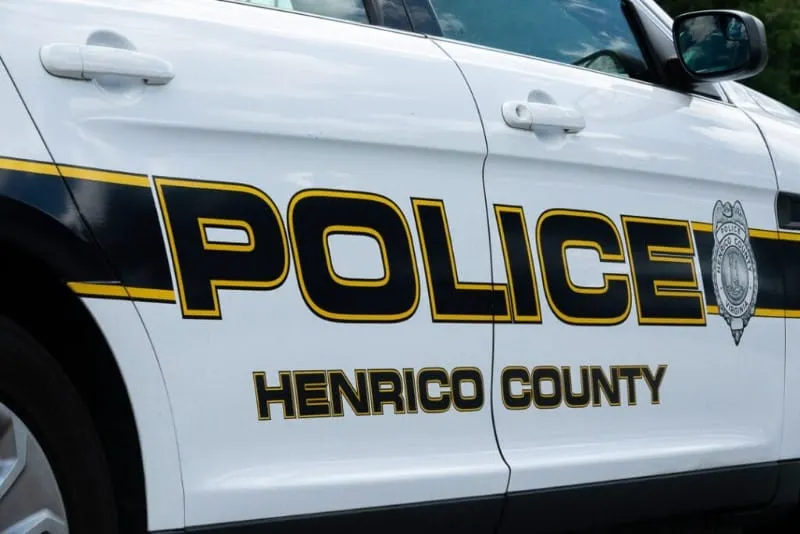
No charges will be filed against the man detained by police after a teenage boy was found shot to death on the back deck of a home in Montrose on Saturday evening, the Henrico Police Division announced Monday. Police said the decision was made after consulting with the Henrico County
Click here to read more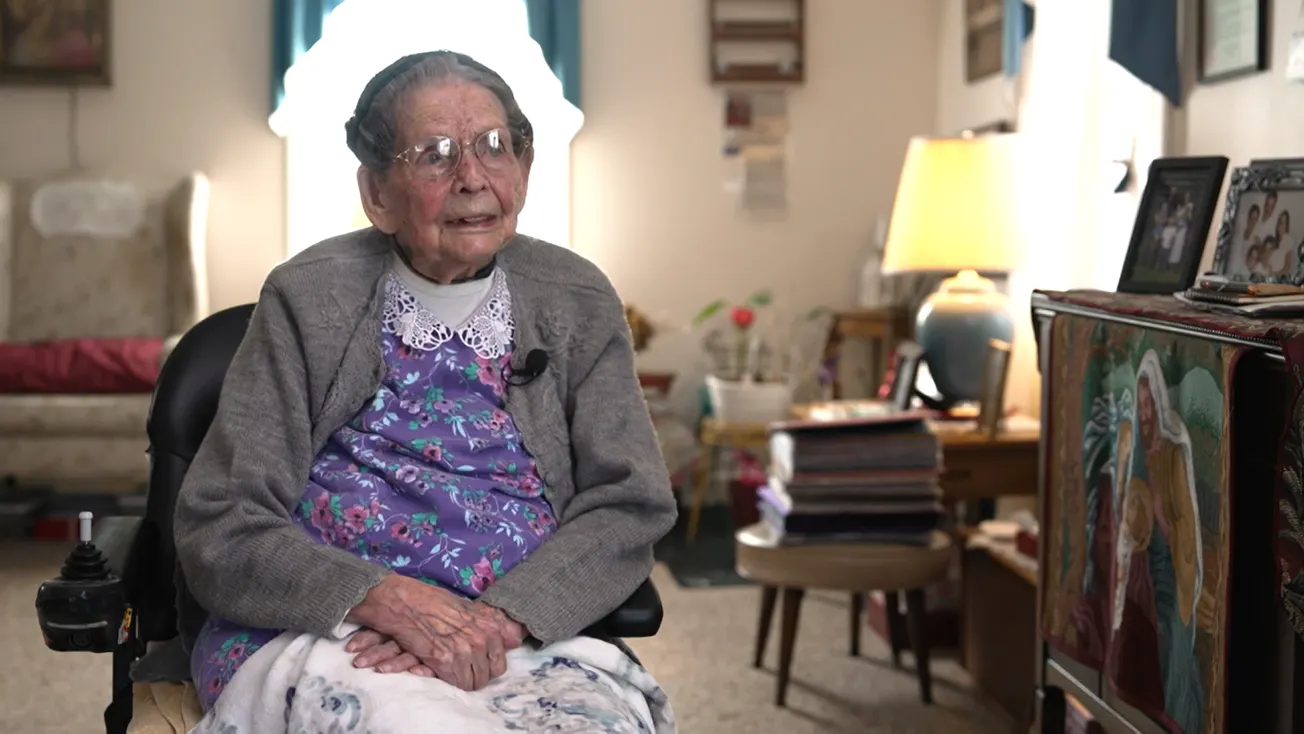
Frances May West Byers, one of the oldest living people in Virginia, died peacefully on Sept. 7 in Henrico County. She was 111 years old. Born on Jan. 23, 1915, in Hanover County, Byers lived for several years at Scotchtown, the historic home of Patrick Henry, Virginia's first
Click here to read more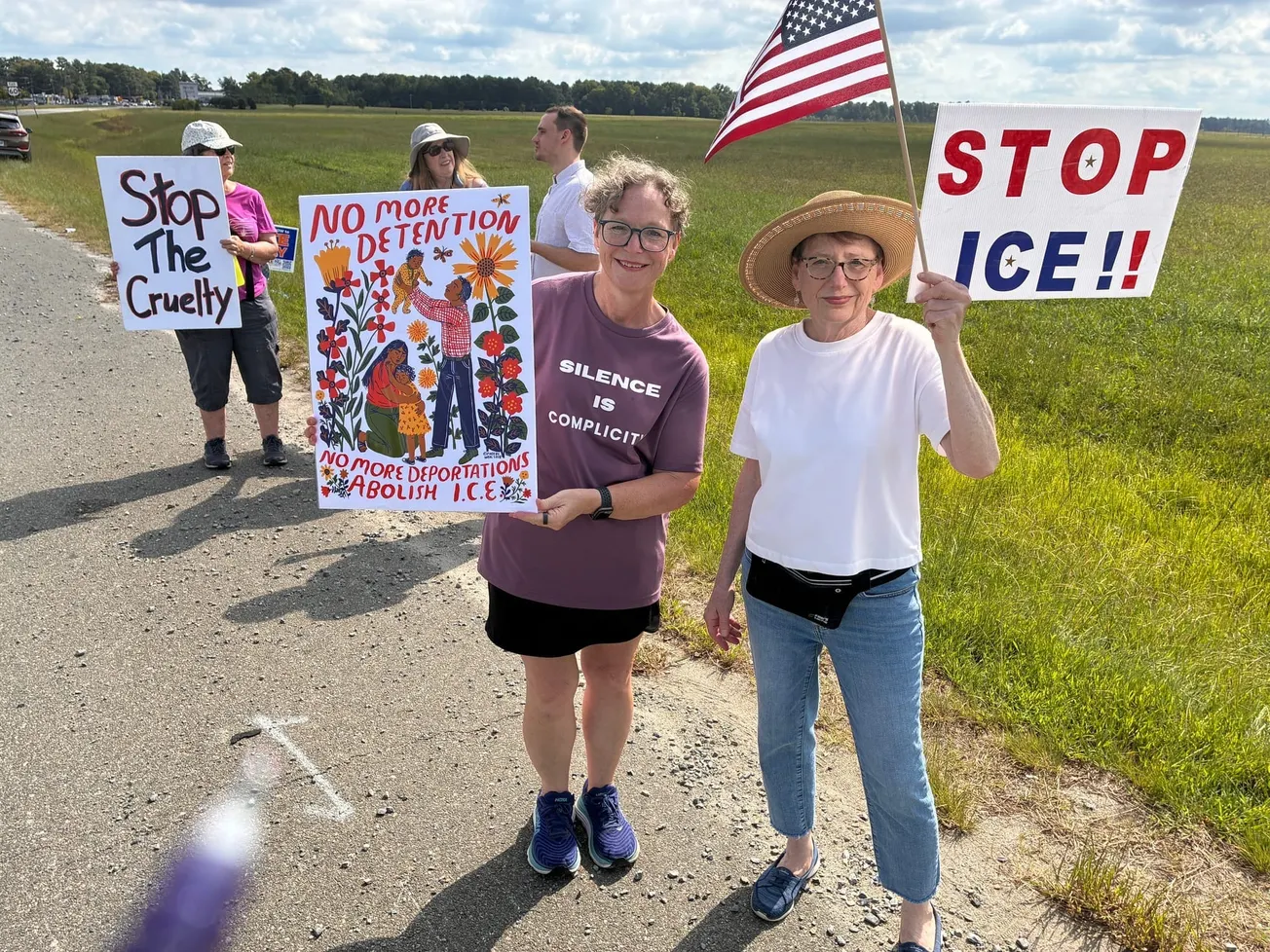
More than 100 people gathered along Williamsburg Road and Airport Drive in eastern Henrico Saturday morning to hold signs that read STOP ICE FLIGHTS, HONK FOR DEMOCRACY and LOVE THY NEIGHBOR, NO EXCEPTIONS. Some drivers passing by the busy intersection on the west side of the Richmond International Airport responded
Click here to read more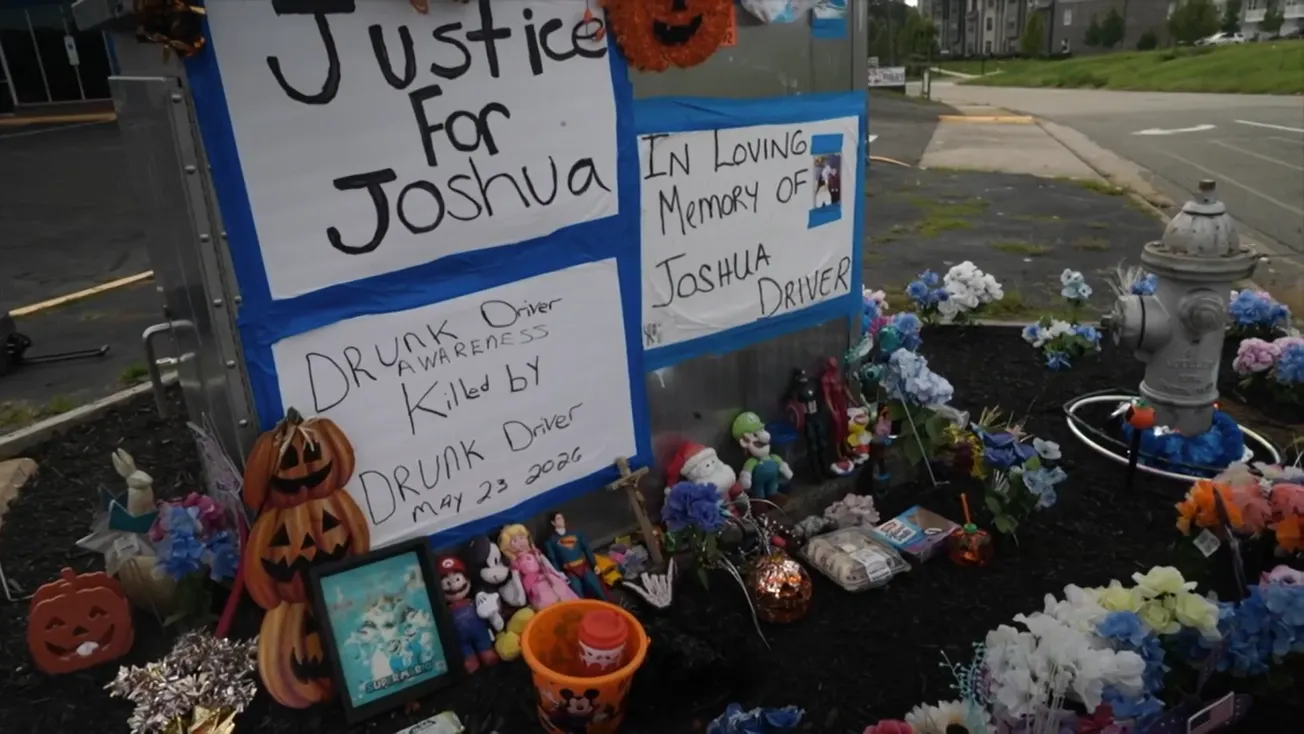
Four months after her son was struck and killed by an alleged drunk driver while walking home along Broad Street, Sharon Driver is still standing at the spot where she lost him — spreading a message she hopes will save someone else's life. Joshua Driver was hit and killed
Click here to read more