
American Lung Association offers tips about how to protect your lungs from firework smoke


This article is free for registered Henrico Citizen readers
Create a free account to continue readingAlready have an account? Sign In
Already have an account? Sign In

A group of 10 friends and relatives - half of them hailing from Henrico – joined up in September to tackle Africa's highest mountain: Mt. Kilimanjaro in Tanzania. John Sicat reported that the idea hatched in 2018 when he and his brother Jeff were hitting their later 40's.
Click here to read more
A new package of zoning restrictions on recreational marijuana businesses will advance to the Henrico Board of Supervisors, after the Henrico Planning Commission blessed the proposal Oct. 15. Commissioners voted unanimously for approval after only a few questions and no comments from the public. Supervisors will consider the regulations during
Click here to read more
Sports Backers has announced two upcoming community events in Henrico and is advising residents that the sold-out Allianz Richmond Marathon route will extend into parts of the county in November. The organization's Fall Fit Fest is scheduled from 11 a.m. to 3 p.m. Saturday, Oct.
Click here to read more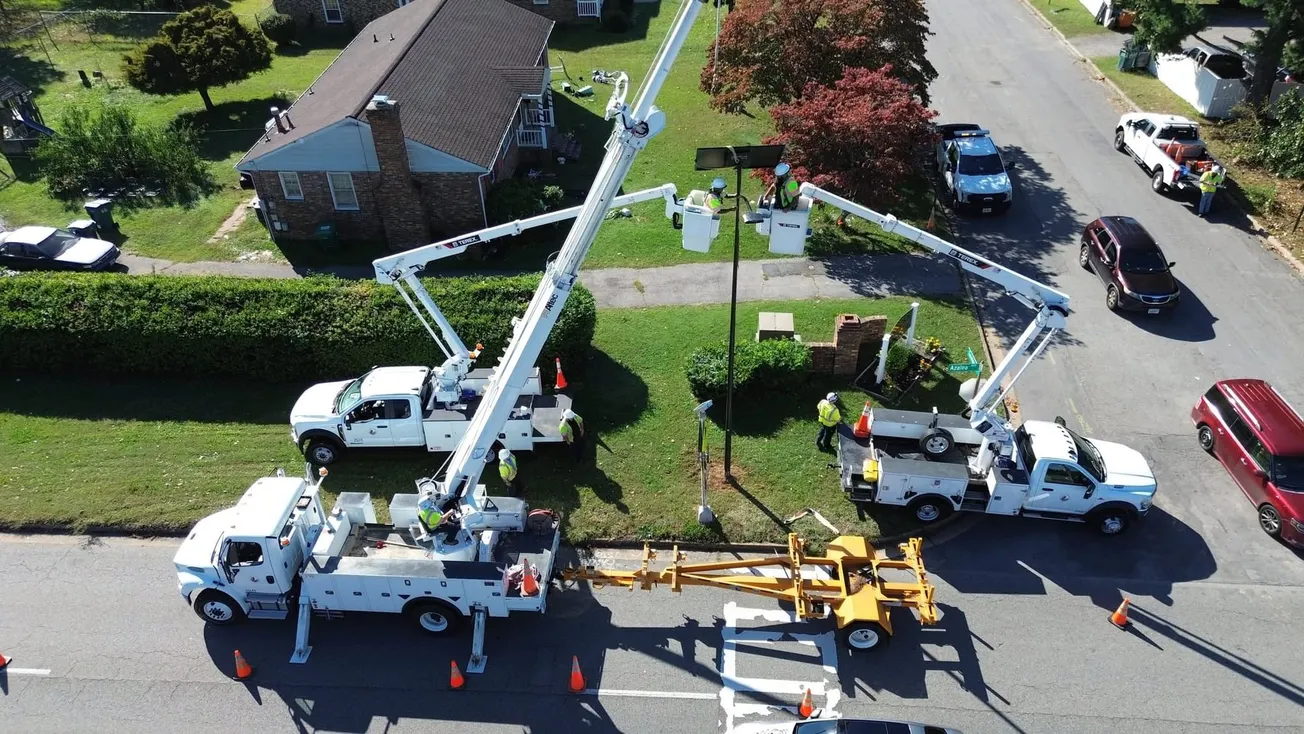
Infrastructure modernization, pedestrian safety and seasonal environmental initiatives are priorities across Henrico County this October as the Department of Public Works (DPW) and the Department of Public Utilities (DPU) roll out autumn projects and public engagement efforts. Across Henrico this month, the DPW and DPU are emphasizing multi-modal pedestrian
Click here to read more