
Virginia to fund cancer screening program for firefighters
State will supply $2 million for localities to apply for grants to pay for cancer screenings for high-risk workers
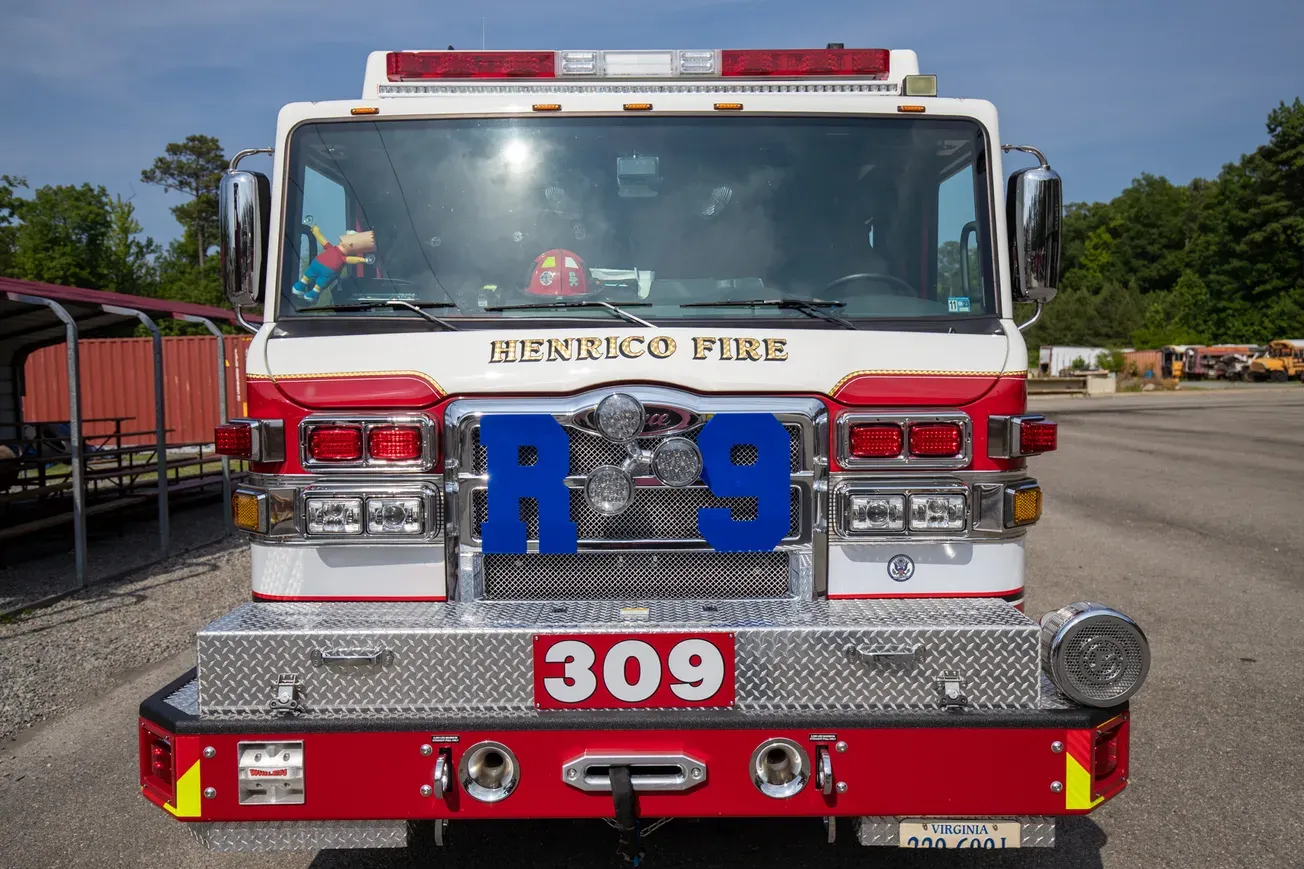
Virginia’s new two-year budget earmarks millions to help offset current and forthcoming federal funding changes to healthcare and social services. It also accomplished a bipartisan multi-year effort to fund cancer screenings for firefighters.
Studies show that firefighters are at higher risk for the disease in their line of work due to their heightened exposure to fumes and chemicals.
Gov. Abigail Spanberger introduced the “lifesaving” measure as a budget amendment in late June and lawmakers approved it when they finalized the budget June 29.
The $2 million per year investment will create grants that localities can use to help firemen detect cancer, slated for up to $350 per screening.
The goal, Virginia Professional Firefighters communications director William Boger said, is to catch cancer early.
“If you find Stage 1 cancer, it’s a lot better than finding Stage 4,” Boger said. “It’s treatable.”
He explained that despite proper decontamination efforts after quelling fires, some exposed materials still remain on gear or have already been inhaled into workers’ lungs.
Burning buildings aren’t just made of wood and metals, he noted, but the plastics and batteries from materials inside burn too, with workers breathing in smoke and chemicals.
“We call it a carcinogenic soup,” Boger said.
Firefighters’ gear itself contains chemicals to enhance the material’s waterproof or fireproof capabilities. Factor in the heat of their jobs, Boger said, and it becomes even more likely that firefighters’ bodies are absorbing carcinogenic “forever chemicals.”
Late last year, Richmond firefighter Jonathan Clarke sued several manufacturers alleging that the exposure to polyfluoroalkyl substances — commonly called PFAS — within protective equipment contributed to his leukemia diagnosis in 2022.
The International Association of Fire Fighters has also filed a related lawsuit on behalf of workers. Rather than target manufacturers for using PFAS and not initially disclosing it, the association’s lawsuit targets testing standards that have all but required use of PFAS for equipment approval.
“I think it’s great, we need to be doing this,” Clarke said of the state budget’s allotment for cancer screenings.
Clarke said battling leukemia in recent years has become “something that’s just there,” and an issue he never thought he would have to contend with.
After initially becoming a firefighter because he “needed a job,” Clarke said he has stuck around for 22 years because he loves the work.
Boger noted that for himself and many firefighters, the public service component is an inspiration and driving force to continue facing danger.
Although it’s not as important as the lifesaving opportunities the funding provides, Boger said, investing in cancer screenings can also save public dollars down the line.
“That’s a lot better than a firefighter passing away and then having to provide the line of duty death benefits or having to provide workers compensation,” he said.
Earlier this year, Del. Alex Askew, D-Virginia Beach, carried the legislative effort but it didn’t initially survive months of debate as lawmakers advanced the budget. Spanberger’s budget amendment revived it.
In prior years, lawmakers including Sen. Bill DeSteph, R-Virginia Beach, Del. Israel O’Quinn, R-Washington, Del. Dolores McQuinn, D-Richmond, and Sen. Aaron Rouse, D-Virginia Beach, carried the proposal.
Boger said his organization is very happy to see the grants dollars come to fruition. While some localities already provide screenings, the grants will expand the possibility to others whose local budgets couldn’t otherwise afford the preventative practice.
Ahead of the Senate approving the budget item on Monday, O’Quinn reiterated his support for the idea he’d championed in the past and urged lawmakers to extend the measure to volunteer firefighters, which are more common in rural areas that lack government-run fire departments.
“The volunteer firefighters are also exposed to the same chemicals, the same toxins,” O’Quinn said. “I would hope that going forward, that we could figure out a way to possibly expand this to volunteer firefighters as well.”
Askew is celebrating the adoption of the grants and excited to see them implemented.
“With this funding, we can catch illnesses earlier, protect the health of those who protect us, and honor the risks they take every day to keep Virginia communities safe,” he said.
Virginia Mercury is part of States Newsroom, a nonprofit news network supported by grants and a coalition of donors as a 501c(3) public charity. Virginia Mercury maintains editorial independence. Contact Editor Samantha Willis for questions: info@virginiamercury.com.