
Virginia inches closer to allowing single-stairwell multi-unit buildings
Housing reform advocates and homebuilders say it can help solve housing shortage while emergency personnel caution safety
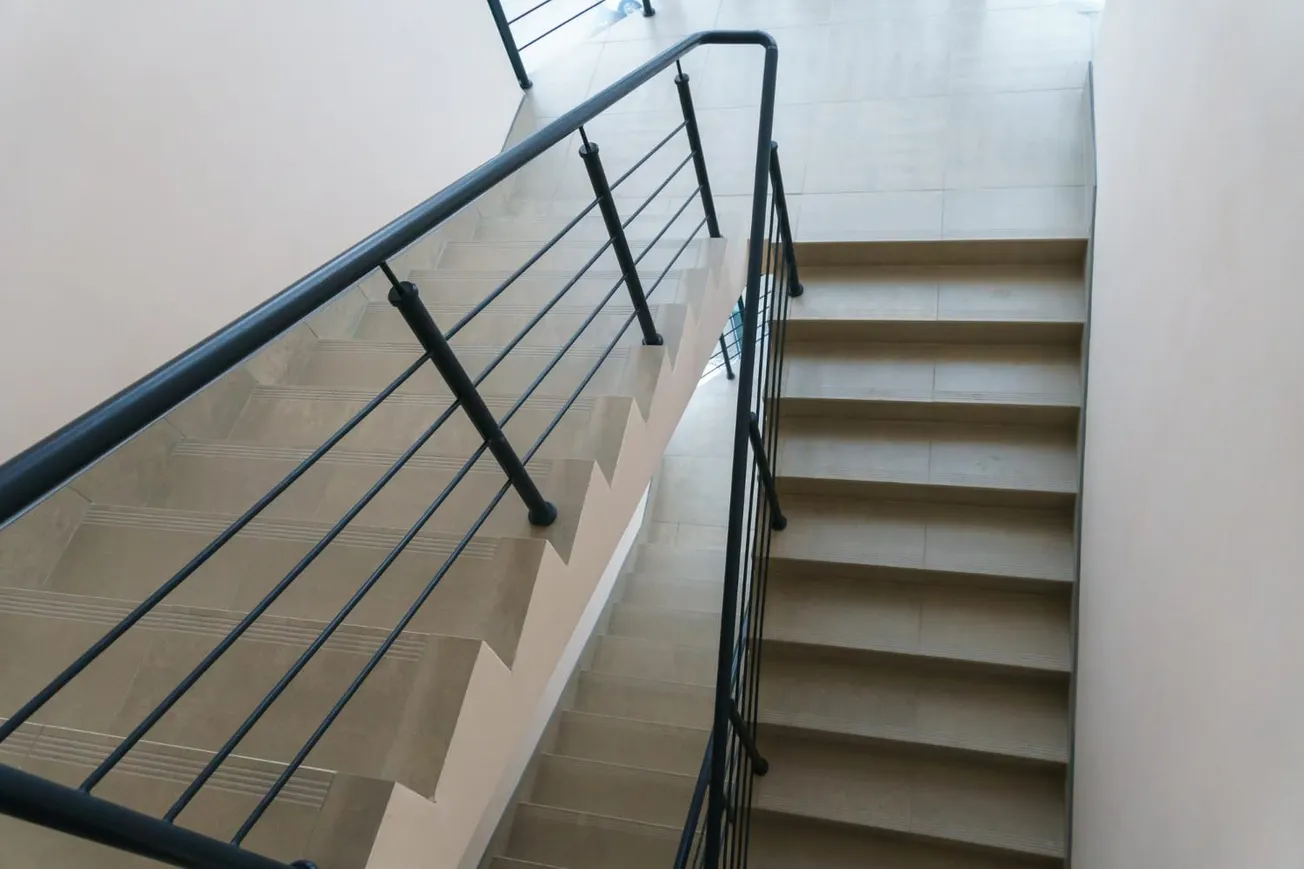
Virginia leaders are in the process of updating the state’s building codes, which mandate requirements for future construction, and are exploring an idea that some lawmakers and advocates say could unlock housing development on vacant or underutilized lots.
This week, the state’s Board of Housing and Community Development advanced a proposal to allow single stairways in four-story buildings, setting it up for potential adoption in the next state code requirements.
Sen. Schuyler VanValkenburg, D-Henrico, is spearheading a proposal to allow certain multi-unit buildings over three stories to be constructed with only one stairwell instead of two. It can help developers maximize space on smaller lots and make it easier to bring more housing into dense areas, he said.
“It’s a common sense change that will help ease our housing shortage,” he said. “States and localities across the country are implementing this reform because it works and is safe.”
VanValkenburg had originally carried legislation to create a workgroup to explore allowing the concept for up to six stories, something the board is still considering but has not yet endorsed.
Andrew Clark with the Virginia Home Builders Association said tweaking the building code is a key lever state leaders can pull to address housing supply shortages and affordability issues.
“From an industry perspective, these are the kinds of proposals that we’ve got to double down on,” Clark said. “Land use decisions and zoning are going to be challenging battles over the next few years, but I think there’s consensus that design can really innovate and help reduce costs without jeopardizing safety.”
But safety is still a concern for emergency responders like firefighters, who have routinely opposed the single-stairwell idea.
“Safety is the primary issue, not only for the residents in those buildings, but our firefighters responding to emergencies as well,” Andrew Panetlis, a vice president with the International Association of Fire Fighters, said.
He outlined scenarios where people may be fleeing a building in a panic and trying to exit using the same stairwell emergency responders are entering, creating potentially fatal bottlenecks.
But research from Pew suggests fire safety concerns may not be a dealbreaker.
A study found that from 2012 to 2024, fire death rates in New York City’s more than 4,000 modern single-stair buildings were the same as in other residential buildings. In that time, New York and Seattle recorded a total of four fire-related deaths in such buildings.
New York City, Seattle and Honolulu are cities that permit buildings of up to six floors to have a single staircase. Each city has balanced safety with square footage limits, unit caps per floor and specific fire safety measures, like higher density of sprinklers and placement of smoke detectors.
VanValkenburg sees it as a sign Virginia could follow suit.
With new building codes set to take effect next year, Clark said this is a good time for developers to start communicating with local planning commissions and boards of supervisors or city councils where they plan to build.
In the meantime, Clark is pleased VanValkenburg’s idea is gaining momentum.
“We’ve got a housing crisis. We’ve got supply issues. We’ve got prices shooting through the roof and there’s really no time to wait,” he said. “We’ve got a solution in front of us and that’s the direction the board voted on.”
Virginia Mercury is part of States Newsroom, a nonprofit news network supported by grants and a coalition of donors as a 501c(3) public charity. Virginia Mercury maintains editorial independence. Contact Editor Samantha Willis for questions: info@virginiamercury.com.