
New proposal from grid operator PJM would require data centers to bring their own power
The plan could shift more energy cost to large-load customers while raising concerns about increased use of backup diesel generators.
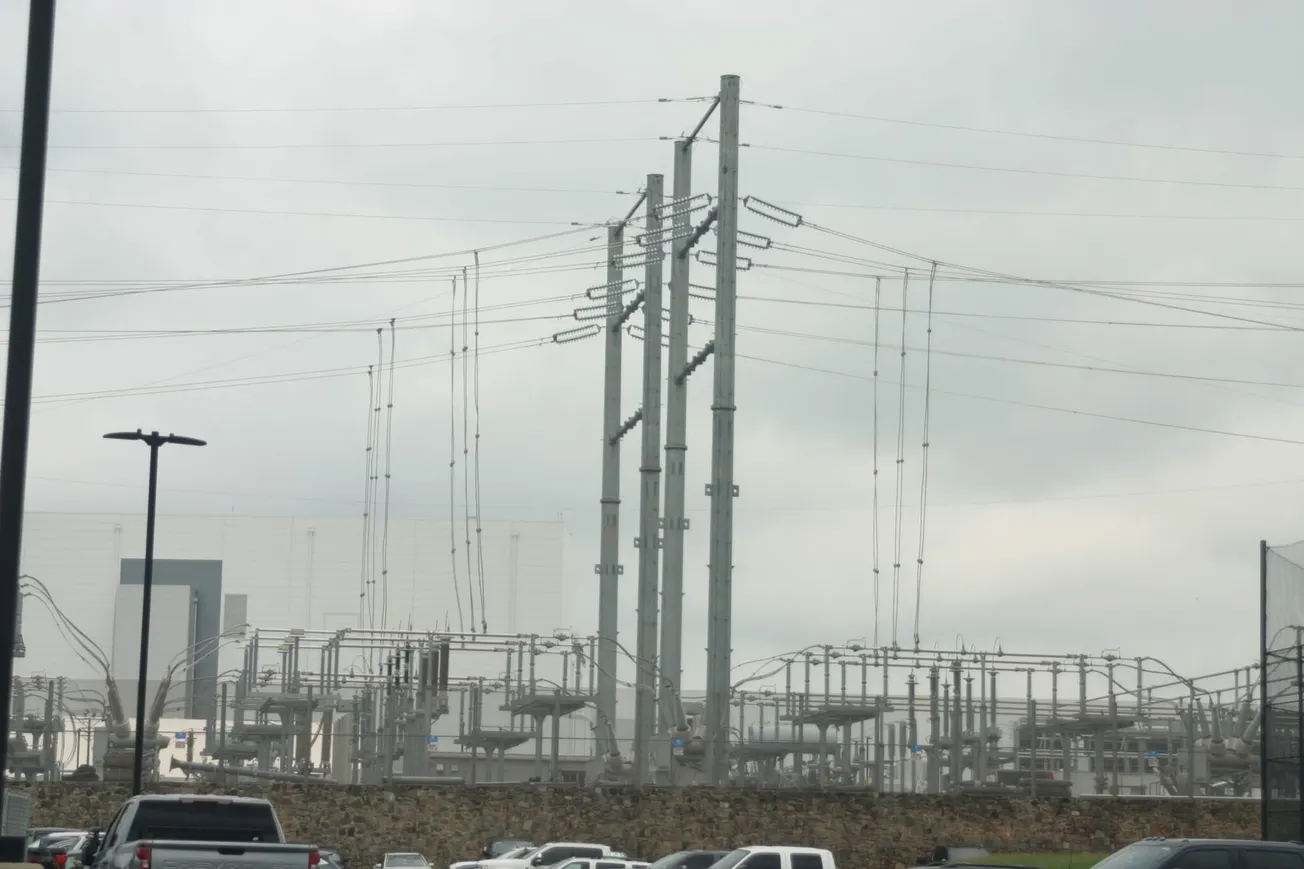
PJM, the regional grid operator for most of the East Coast, is asking federal regulators to approve a rule requiring new large-load customers, namely data centers, to bring their own power supply to the grid.
With Virginia among the 13 states served by PJM, the proposal filed with the Federal Energy Regulatory Commission could mean further changes to how the state regulates the growing industry. It follows calls from some Virginia lawmakers to make data centers provide their own power as utility bills continue to rise alongside demand.
Part of the new proposed rule would put data centers that have not “brought their own power” by paying directly for new energy capacity or having their capacity needs covered through backstop power purchases first in line to be moved onto back up generators or asked to reduce their loads on the hottest and coldest days of the year, when the grid is strained.
The proposal would give states responsibility for implementing policies that direct large-load users to pay for energy projects and manage reliability. It also raises concerns among environmental groups that do not want data centers using their backup diesel generators more often.
PJM is working through its connection queue for energy projects seeking to come onto the grid as utilities focus on energy buildouts to meet the power demand, driven largely by data center growth.
If this proposal is approved, utilities would likely have to go to their state regulators to adopt new policies outlining these cost allocations.
Dominion Energy recently created a new rate class for large-load customers, mostly intended for data centers and major manufacturers, that imposes minimum demand charges for transmission, distribution and generation costs.
“We have known that demand is growing at unprecedented rates — and that it’s expected to double in Virginia over the next 15 years,” a Dominion spokesman said in a statement. “The only solution is to continue building the critical transmission and power generation infrastructure that we know is needed to reliably serve our customers’ growing needs.”
Some advocates are concerned that the proposal will lead to more carbon emissions from backup generators, of which the average data center has dozens. Virginia lawmakers recently passed legislation requiring new data centers to have Tier 4 generators or equivalent, which release less carbon emission than older Tier 2 and 3 models.
The Piedmont Environmental Council and Sierra Club recently sent a letter to Gov. Abigail Spanberger asking her to implement rules requiring public notification when generators are turned on and prioritizing Tier 4 models and air monitors, among several other requests they believe will help protect local residents from diesel pollution.
“PJM requested and received emergency orders from the U.S. Department of Energy, effective January 25-31, May 18-20, June 30-July 3 and July 15-July 21 for ‘temporary relief from environmental permit restrictions for generating units and/or to direct back-up generation resources to operate, if required at all.’ This is concerning since the relief allows generators to exceed approved emissions limits,” the letter stated.
On some of the hottest and coldest days in recent years, the federal government has given PJM the authority to tell large-load customers to reduce their power use or move off the grid and onto back up generators and batteries. However, PJM has not had to implement that emergency move to date.
“The unprecedented addition of large loads, most notably data centers, has given rise to resource adequacy shortfalls — and associated real-time operational issues that Interim Resource Adequacy Service is intended to address,” the filing states.
The plan leaves states with the authority to manage their own retail load-reduction plans and allocate retail costs for energy production.
Bringing their own power to the grid under this proposal differs from a data center building its own behind-the-meter power generation. This method would make the industry bear more of the cost of power projects that add capacity to the grid serving all customers, rather than just data center facilities.
The company said the goal is to protect ratepayers from bearing the costs of energy buildouts driven by the data center industry. If a large-load customer has to reduce its power use, it would receive a financial credit for helping maintain grid reliability.
PJM also plans to create a registry of large-load customers across its territories to help regulators and utilities. The full proposal has been submitted to FERC with a request for a decision within 60 days.
Virginia Mercury is part of States Newsroom, a nonprofit news network supported by grants and a coalition of donors as a 501c(3) public charity. Virginia Mercury maintains editorial independence. Contact Editor Samantha Willis for questions: info@virginiamercury.com.