In the Garden: Tips for container gardening success
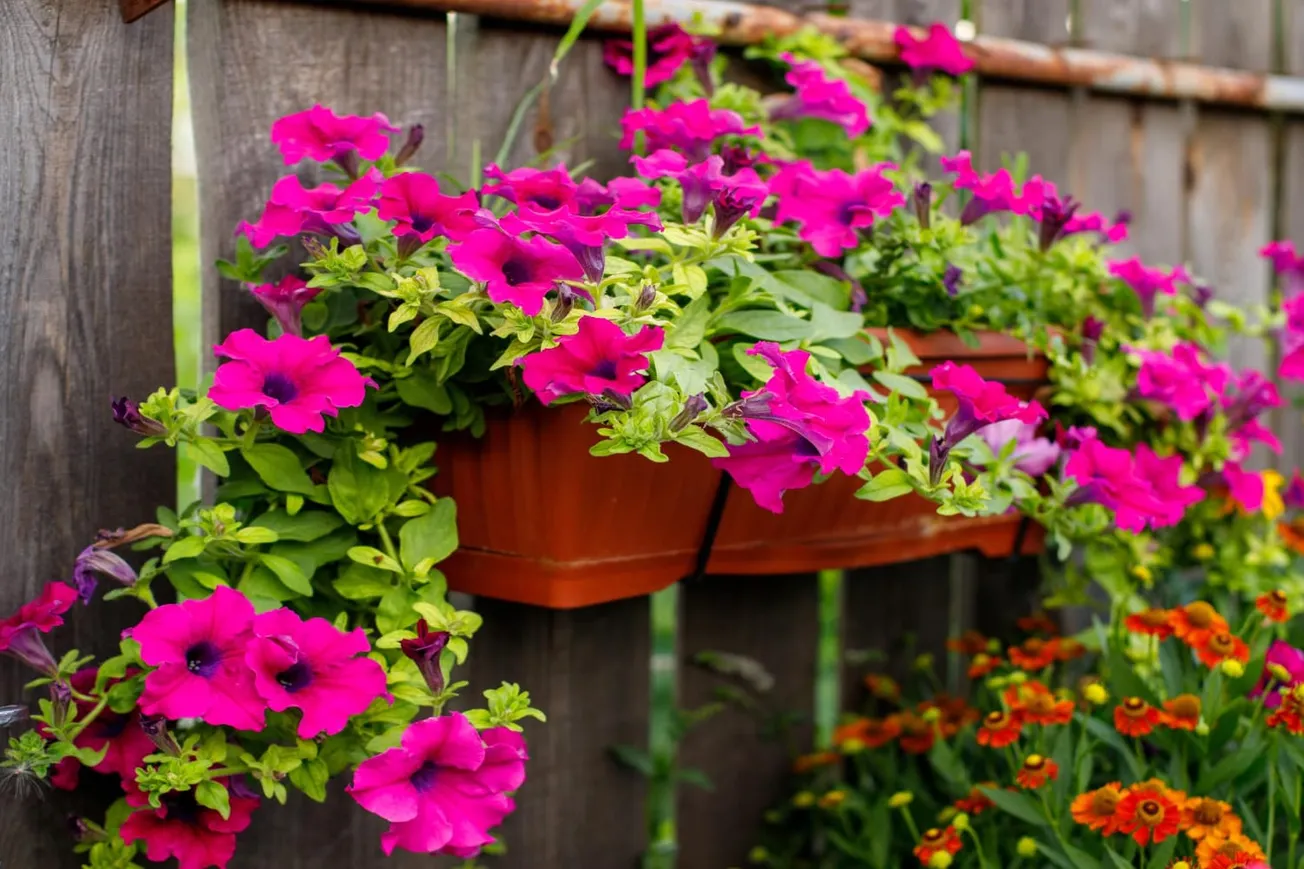
Add color and seasonal interest throughout the landscape with container gardens. Set them in garden beds to add vertical interest, place pots of edible plants on a patio, deck or balcony for convenient picking, and include pollinator-friendly plants in containers to attract and support pollinators.
Keep containers looking their best with proper selection, planting and care. As always, select plants suited to the growing conditions and combine those that require the same care and growing conditions. Drought-tolerant plants are more forgiving once established if looking to reduce maintenance.
Consider function as well as beauty when selecting containers. Make sure the container has drainage holes, helping prevent waterlogged soil that can lead to root rot. If the pot lacks drainage holes, try double potting. Place plants in a pot, like a nursery pot with drainage holes. Set this pot on a layer of pebbles in the pot that lacks drainage holes. The pebbles elevate the pot of plants above excess water that may collect. Check throughout the growing season and pour excess water out of the decorative pot as needed.
Fill containers with a quality potting mix that provides adequate drainage yet retains moisture. Every gardener seems to have a favorite or more often struggles to find one that works best for them. Check the label to see what the bag contains and recommendations for its use. Planting mixes usually contain peatmoss, coir and or compost as well as vermiculate, perlite or rice hulls for drainage. Check to see if it is sterilized to kill weed seeds and pests.
Proper watering and fertilization are key to keeping plants alive and healthy. Check the potting mix daily and water thoroughly as needed for the plants growing. Reduce frequency with the help of self-watering containers with water reservoirs that provide water over a longer period. Mulching the soil in containers helps to conserve moisture and irrigation systems with timers make it much easier.
Fertilize planters as needed. A slow-release low nitrogen fertilizer used at planting and again as needed and according to label directions can greatly reduce time spent fertilizing. These fertilizers provide small amounts of nutrients over a longer period. Those who prefer to be a bit more hands-on can use a liquid fertilizer applied regularly throughout the season according to the label directions.
Despite a gardener’s best effort, insects and diseases can impact the health and beauty of planters. Regularly check plants for any signs of insects, their damage and disease. Early intervention makes it easier to manage the problem and helps minimize the damage.
Remove small populations of insects and discolored leaves by hand. Use a garden hose and apply a strong blast of water to help dislodge aphids and mites. Follow this up, if needed, with an organic lightweight horticulture oil like Summit Year-Round Spray Oil. These products kill the insects they contact but won’t harm beneficial insects that land on a plant that has been treated. It is also effective against powdery mildew and certain other diseases. As always, read and follow label directions for the most effective and safest control.
Adjust container garden designs and maintenance to boost their beauty with minimal effort. Then enjoy a growing season of benefits these planters provide.
Melinda Myers has written more than 20 gardening books, including the recently released Midwest Gardener’s Handbook, 2nd Edition and Small Space Gardening. She hosts The Great Courses “How to Grow Anything” instant video and DVD series and the nationally-syndicated Melinda’s Garden Moment radio program. Myers is a columnist and contributing editor for Birds & Blooms magazine, and her website is MelindaMyers.com, which features gardening videos, free webinars, monthly gardening tips, and more. She was commissioned by Summit Responsible Solutions for her expertise to write this article.