Skip to content
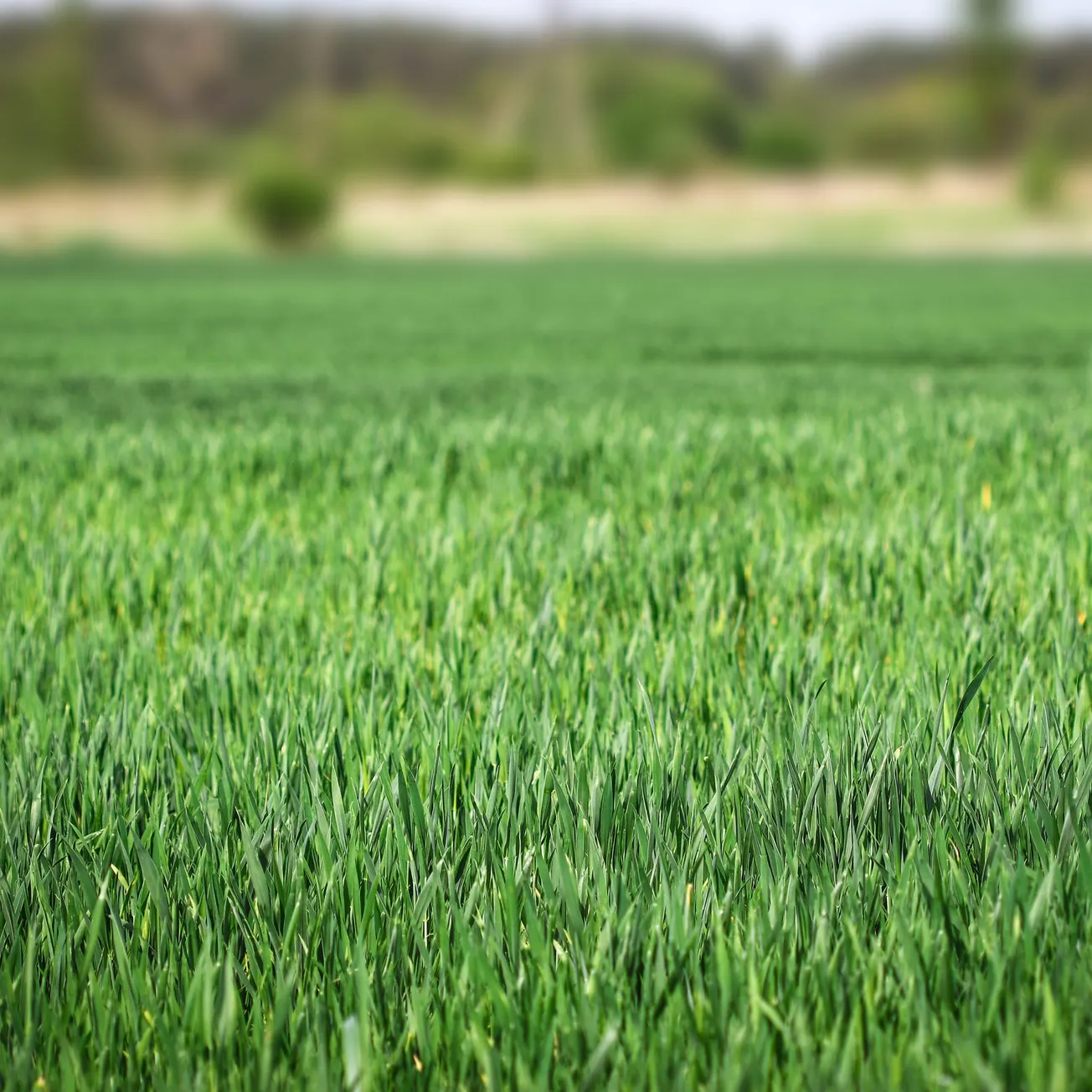
The key to a healthy lawn starts by selecting the right grass seed followed by proper seed sowing, watering and maintenance. (Courtesy Outsidepride.com)

Spring is a time of renewal in our landscapes, but a weather-worn lawn may need your help to regain its health and beauty. Overseeding thin and sparse lawns can help jump start your way to an attractive lawn that’s better able to outcompete the weeds.

Keep in mind water is critical to get newly seeded and overseeded lawns to establish and survive. So be prepared to help nature along with your lawn’s recovery.

Have the soil tested as you get started. Your University Extension service may have a soil testing lab or can recommend a reliable one. The test report will tell you how much fertilizer is needed, if any. This can also help you determine if fertilization or nutrient deficiencies are the cause of your lawn’s decline.

Mow the lawn shorter than normal, 1½ to 2”, and remove the clippings and any other debris by sweeping or raking. This helps expose the soil, allowing the seeds to reach the soil for better seed-to-soil contact needed for sprouting.

Remove thatch, the layer of dead grass at the soil surface. This also increases the seed-to-soil contact when overseeding the lawn. A vertical mower, power rake or other type of dethatching equipment is usually needed to manage this task.

Core aeration is another way to increase success when overseeding a lawn, especially on compacted soil. Core aeration removes plugs of soil, creating holes in the lawn to allow water and fertilizer to reach the soil and plant roots. These holes also provide an excellent environment for seeds to sprout and grow. Make three to four passes to ensure enough holes for adequate seed-to-soil contact. The process is easier and most effective when the soil is slightly moist.

Select a grass seed mix suited to your growing conditions. Kentucky bluegrass is the popular lawn grass for this part of the country. It is cold tolerant, thrives in cool weather, goes dormant during extended drought but greens up once rainfall returns.

Consider using one of the coated grass seeds like Outsidepride’s Kentucky bluegrass with OptiGrowth to increase your success. Its natural coating provides uniform size for easier spreading; the red color allows you to see where it’s been applied and the added weight helps the seed reach the soil surface. This natural water absorbing coating makes it more forgiving if you miss a watering.

Use a spreader to sow the seeds and gently water after planting and often enough to keep the soil and seed slightly moist. You will likely need to water at least once—and possibly several times—a day as temperatures rise.

Continue to mow the lawn slightly shorter than normal, about half the recommended height, to reduce competition with the seedlings. Be patient as it generally takes anywhere from 3 to 4 weeks for bluegrass seeds to germinate. Once the seedlings grow that tall, gradually begin increasing the mowing height until you reach the recommended 3 to 3 -1/2” for your Kentucky bluegrass lawn.

With proper maintenance and a bit of cooperation from nature you can help transform your lawn from an eyesore to an asset in your landscape.


Melinda Myers has written more than 20 gardening books, including the recently released Midwest Gardener’s Handbook, 2nd Edition and Small Space Gardening. She hosts The Great Courses “How to Grow Anything” instant video and DVD series and the nationally-syndicated Melinda’s Garden Moment radio program. Myers is a columnist and contributing editor for Birds & Blooms magazine, and her website is MelindaMyers.com, which features gardening videos, free webinars, monthly gardening tips, and more. She was commissioned by Outsidepride for her expertise to write this article. 

Comments