Henrico Schools proposing ban on student phone use during lunch and in between classes
Henrico Schools’ “phone-free” school year last year was, in practice, not exactly phone-free. But this coming school year, HCPS officials are promising a strict “bell-to-bell” phone ban.
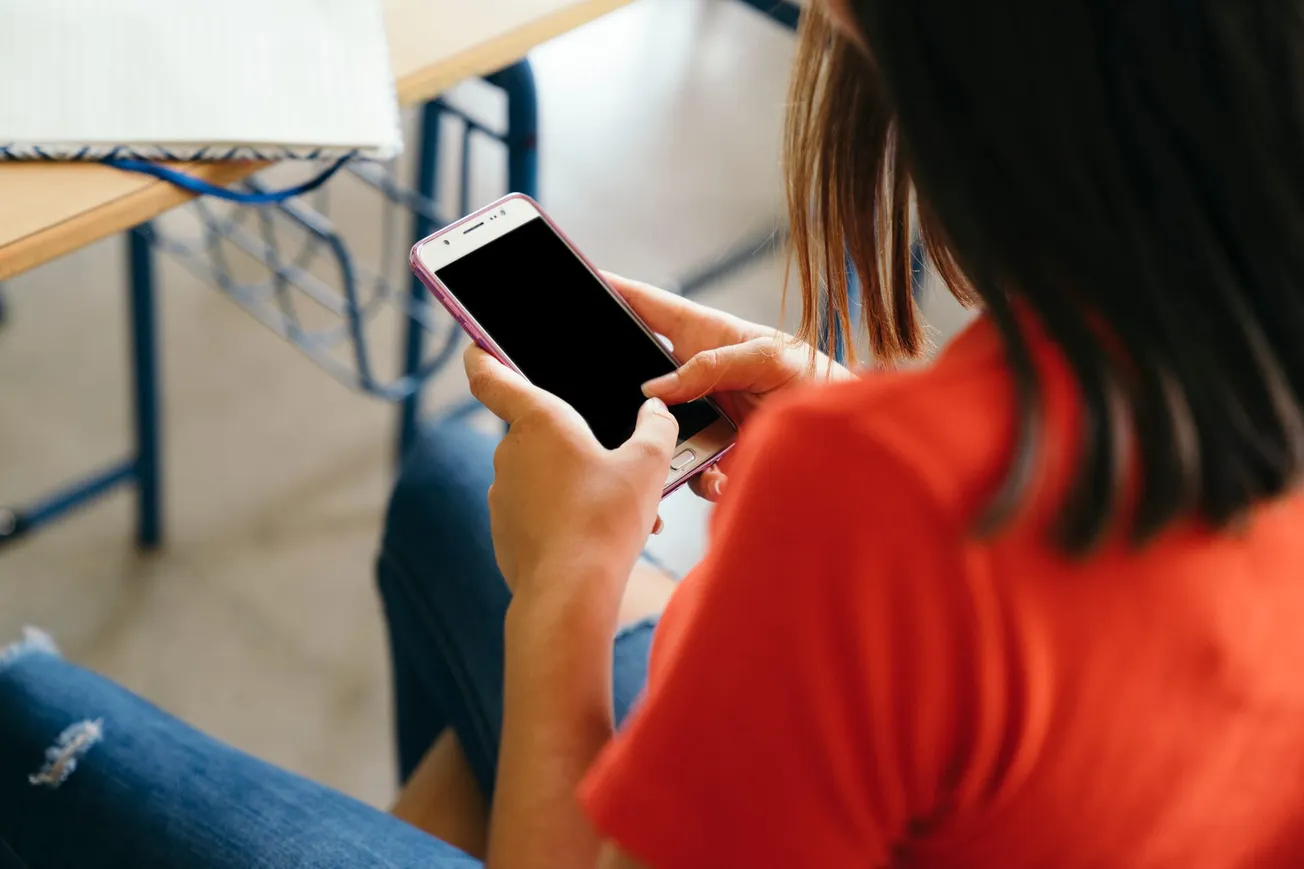
On June 11, the Henrico School Board will vote on new regulations in the Code of Student Conduct that would require students to have their phones stored away for the whole school day, from when the first bell rings until the dismissal bell, including during lunch and class changes.
The potential change comes after Gov. Abigail Spanberger signed legislation this past spring that requires schools to enforce a complete phone ban during the entire school day.
Last August, HCPS Superintendent Amy Cashwell introduced new division guidelines that prohibited students from having their phones out during lunch and in-between classes and required teachers to store students’ phones in storage containers during class. However, when it came to implementing the guidelines, HCPS allowed schools “flexibility” in enforcement, said HCPS spokesperson Eileen Cox, with some schools allowing phone use outside of class time.
“Current HCPS policy and practices were developed to prohibit cell phone use during instructional time,” Cox said. “Since bus transportation, lunch, and hallway pass time do not generally include instructional activists, schools have had more flexibility in practices during non-instructional times this school year.”
HCPS also did not end up mandating teachers to use phone storage containers and found that less than half (47%) of teachers surveyed actually used the containers last school year. Cox said that HCPS will continue to provide storage containers but also allow teachers to have students store their phones in their backpacks.
But when it comes to banning phones during lunch and in hallways, HCPS would need to align practices with new state law and have “more consistent” enforcement of those practices, said Cox.
HCPS official: Implementation is 'going to be hard'
While the change would be “minimal in scope,” HCPS expects that actually implementing the new rules will be difficult at first, said HCPS Chief of School Leadership Ingrid Grant.
“I want to be honest, it’s going to be hard with implementation when we start out,” she said. “And I think if principals start out very strict, like, ‘this is what it’s going to be,’ and if people violate it, they get their consequences and not ignore it. . . then it should be easier for you along the way.”
Enforcement at the beginning of the year is “vital,” school board members said, especially because the change will be more significant for schools that allowed some cell phone use last year.
“I think it’ll be interesting to see what the implementation day-to-day of the cell phone changes look like,” said Tuckahoe District representative Marcie Shea. “And I think for some of our schools, it’ll be a very stark contrast to this year. And for some, it’ll be just one more incremental step.”
HCPS also proposed adding language to the Code of Conduct that clarifies that not only phones, but any device that can connect to the internet or wirelessly process data, including smart watches, tablets, and Meta glasses, would be prohibited during the school day.
HCPS leaders also said that students would not be allowed to wear headphones or earbuds during the school day, even if they are not connected to a device.
However, in alignment with new state law, students cannot be suspended or expelled for just committing a cell phone violation. Other violations, such as cyberbullying, are subject to suspension.
Since bus transportation occurs before and after the school day, HCPS will not be enforcing the phone ban on school buses, although Varina District school board member Alicia Atkins said that prohibiting phones on the buses could prevent behavioral issues during the rest of the day.
“If there is bullying or any negative uses of the cell phone, oftentimes it sometimes gets escalated up on the bus and then something breaks out in school,” she said. “I am wondering if there is some sort of innovative, creative way that we could put TV monitors on the bus…I mean, you show up to school and all of the sudden it feels like something smacking you in the face, because there’s an addiction.”
School board chair Madison Irving (Three Chopt District) strongly advocated for stricter consequences as well as stricter enforcement of phone rules. If parents were required to pick up students’ phones from school upon the first offense rather than the second offense, more students could be deterred from using their phone in school, he said. He also encouraged HCPS to require all teachers to use the division-provided storage containers instead of allowing students to store their phones in their backpacks.
But Atkins urged HCPS to also be “compassionate” when it comes to student phone violations.
“I hear what you’re saying, that that child was not supposed to do something, but they are children. And as a parent, children do things and make bad decisions, but that doesn’t make them a bad child,” Atkins said to Irving. “In my opinion, there's a difference between implementing a law that we have to do and being compassionate towards parents.”
Liana Hardy is the Citizen’s government and education reporter. Support her work and articles like this one by making a contribution to the Citizen.