Henrico Schools actively addressing HVAC issues at 13 schools; four schools without working HVAC schoolwide
Henrico Schools officials reported March 20 that 13 schools throughout the county were struggling with heating and cooling issues, with four schools experiencing HVAC problems schoolwide.
HCPS has reported heating issues at more than a dozen schools this past winter, according to HCPS spokesperson Eileen Cox, with most of those located in Western Henrico. But a number of the 13 schools currently dealing with HVAC problems are located in Eastern and Northern Henrico.
Cox said HCPS technicians and contracted workers are actively addressing issues at the following 13 schools:
Schoolwide HVAC issues:
• Short Pump Elementary (Western Henrico)
• David A. Kaechele Elementary (Western Henrico)
• Henry Ward Elementary (Eastern Henrico)
• Fairfield Middle (Eastern Henrico)
Isolated HVAC issues:
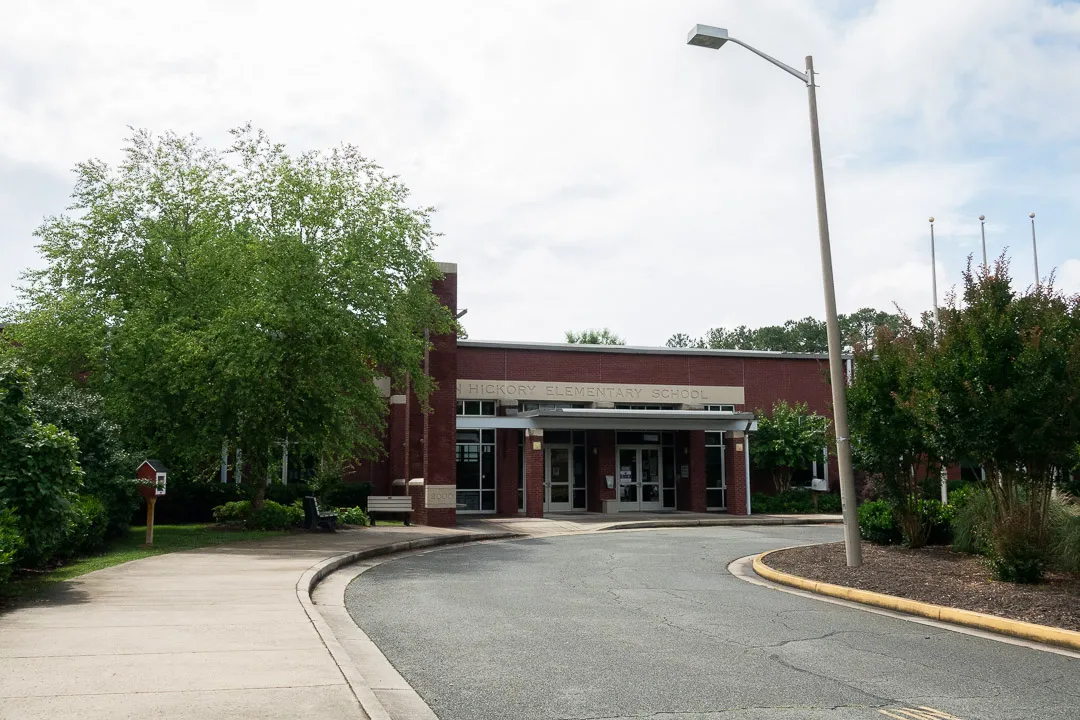
• One wing at Twin Hickory Elementary (Western Henrico)
• Four classrooms at Dumbarton Elementary (Central Henrico)
• Two classrooms at Ruby F. Carver Elementary (Western Henrico)
• Two classrooms at Montrose Elementary (Eastern Henrico)
• Two classrooms at Elizabeth Holladay Elementary (Central Henrico)
• Main office area at Skipwith Elementary (Western Henrico)
• Manually switching between heater and AC as needed at Mills E. Godwin High (Western Henrico)
• Humidity issues at Harold Macon Ratcliffe Elementary (Eastern Henrico)
• Issues repaired, but balancing system for even flow at George F. Baker Elementary (Eastern Henrico)
Students in grades 1, 2, and Pre-Kindergarten at Twin Hickory Elementary have been in classrooms without heat since Dec. 1, said parent Lauren Daniels, who has a second-grader at the school. HCPS has placed space heaters in the classrooms, but Daniels said that despite the substitute heaters in place, classrooms have still stayed at around 52 degrees on certain days, with students and teachers needing to bundle up for class.
Twin Hickory has dealt with HVAC issues since this past August, Daniels said.
“What day don’t we have issues?” she asked rhetorically. “HCPS knows that these issues exist. They're just putting a band-aid on a gaping wound.”
Daniels said she is “especially concerned” about students in Twin Hickory’s Pre-K classroom, which is located farthest away from the building’s HVAC systems and includes students who are non-verbal.
This past January and February, HCPS also reported heating issues at Echo Lake Elementary, Lakeside Elementary, Gayton Elementary, and Maybeury Elementary – which have since been repaired.
At all schools that have or are currently experiencing HVAC issues, HCPS has provided space heaters, spot chillers, or have moved students to other classrooms with functioning HVAC, said Cox.
Cox said that HCPS is prioritizing both repairs and routine maintenance on HVAC systems, with the school system’s six HVAC technicians working “days, nights, and weekends” and racking up around 10-15 hours of overtime some weeks.
“We understand that parents and families are frustrated, school administrators and teachers are frustrated, and quite honestly so are we. So is central administration, so is the maintenance staff,” Cox said. “I don’t want families to think that this is not something we are not actively trying to address every single day, and that we’re okay to sit by and have it be hot or cold in their student’s school. That is not the case at all.”
HCPS: issues stem from lack of staff and funding
Along with a “small but mighty” team of six full-time HVAC staff, HCPA also uses contracted services from 46 different mechanical vendors to manage the 500 HVAC units across the division’s 74 buildings.
But since the COVID pandemic, when HCPS had to place more strain on HVAC systems to bring students safely back into school buildings, the school system has struggled with a number of systemic problems: aging and worn-out school HVAC systems, vacancies in the HCPS maintenance team, a shrinking number of outside HVAC technicians, and long delays in receiving new equipment.
“HCPS doesn’t have enough technicians and [outside vendors] don’t have enough technicians. When our team is unable to do the work, we have to call in an outside vendor and we become at the mercy of their time schedule,” said Lenny Pritchard. “And once that happens, the other issue is getting parts in a timely fashion, and that is becoming more and more problematic. We’re getting parts from overseas, from across the country, or they have to be built in order to be shipped, which all cause delays.”
In addition to responding to needed repairs, HCPS also conducts routine inspections and maintenance on the chillers, boilers, and cooling towers of all 500 HVAC systems each year. The average commercial HVAC chiller lasts for around 20 years, while boilers have lifespans of around 15-20 years and cooling towers last for 10-15 years.
Pritchard said that widespread HVAC issues over the past few months largely stem from the age of many school HVAC systems and a brutally cold winter with sudden weather changes.
“We’ll be having cold temperatures the week before, and then next week we’re into the 70s, 80s, and 90s, but then suddenly back down to 30 degrees,” he said. “These commercial grade systems need time to get acclimated to the weather changes that are happening. So these severe, sharp weather changes can cause some serious strain on your systems, particularly on the older systems.”
Stagnant mechanical funding offered from Henrico County each year for two decades – $2.5 million annually from 1999 to 2025 – has also compounded issues and created a long list of needed HVAC repairs that will cost $57 million, according to Cox. Since 2019, HCPS has also used $17.8 million in federal COVID grants and $10.9 million in meals tax funds to address mechanical needs.
County officials, however, have said that every HCPS request for funding related to HVAC and mechanical needs has been appropriately addressed with county dollars.
Officials offer contrasting responses about future HVAC oversight
Since 2025, HCPS has received significantly more mechanical funding from the county, with a $10 million allocation last year and a $15 million allocation requested this year. HCPS has also requested five more maintenance positions this year, including four skilled-trades positions and one leadership position.
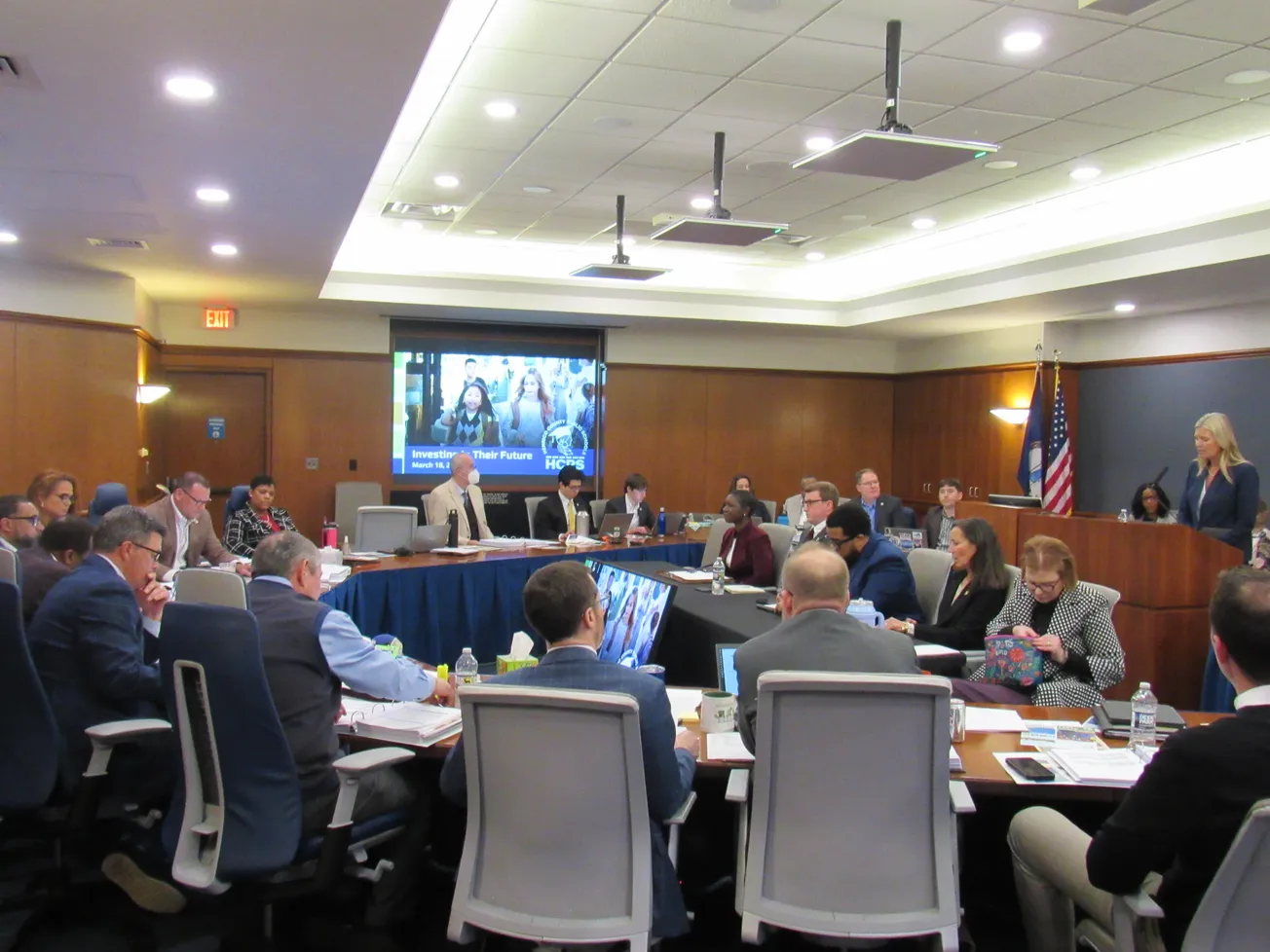
This week, the school system will receive the results of a third-party facilities study evaluating the age and condition of HCPS’ HVAC system and providing recommendations on repair work and overall operational efficiency.
HCPS has also been working with the county over the past few months to pursue a joint Request for Proposal that Cox said will help HCPS attract more outside HVAC vendors. The county is hiring for a new new position that would help manage vendor contracts and oversee maintenance orders for both county and school buildings.
However, HCPS officials and county leaders have contrasting responses on whether school HVAC operations will now fall under the oversight of the county. Cox said that the RFP “does not combine oversight of HVAC operations under a single organization. HCPS and county general government will each continue to be responsible for their respective HVAC operations.”
But county officials have said otherwise; while HCPS has historically overseen the maintenance of their own systems, the county is now changing the model due to “overwhelming needs across schools throughout the entire county,” said Three Chopt District Supervisor Misty Roundtree.
“Schools HVAC systems will now fall under the general government umbrella, with local repair shops contracted for services and overseen by an expert serving in a new position we are creating,” Roundtree said in a post on her social media. “It’s unacceptable for students and staff to have to deal with sweltering hot or freezing cold classrooms, and it’s time to handle this issue differently!”
The new county position will have oversight over HCPS’ vendor contracts, said County Deputy Manager Brendan Hinton.
“We are in the business of solving problems – not adding to bureaucracy,” Hinton said.
Daniels said she feels that internal politics within HCPS and the county have exacerbated HVAC issues at the schools.
“Heat should not be political. Teachers and administration should not feel like their hands are tied from the higher school board level because they don’t want to speak incorrectly on these things,” she said.
Liana Hardy is the Citizen’s government and education reporter. Support her work and articles like this one by making a contribution to the Citizen.