Henrico residents voice concerns about data centers, Flock cameras at supervisors’ meeting
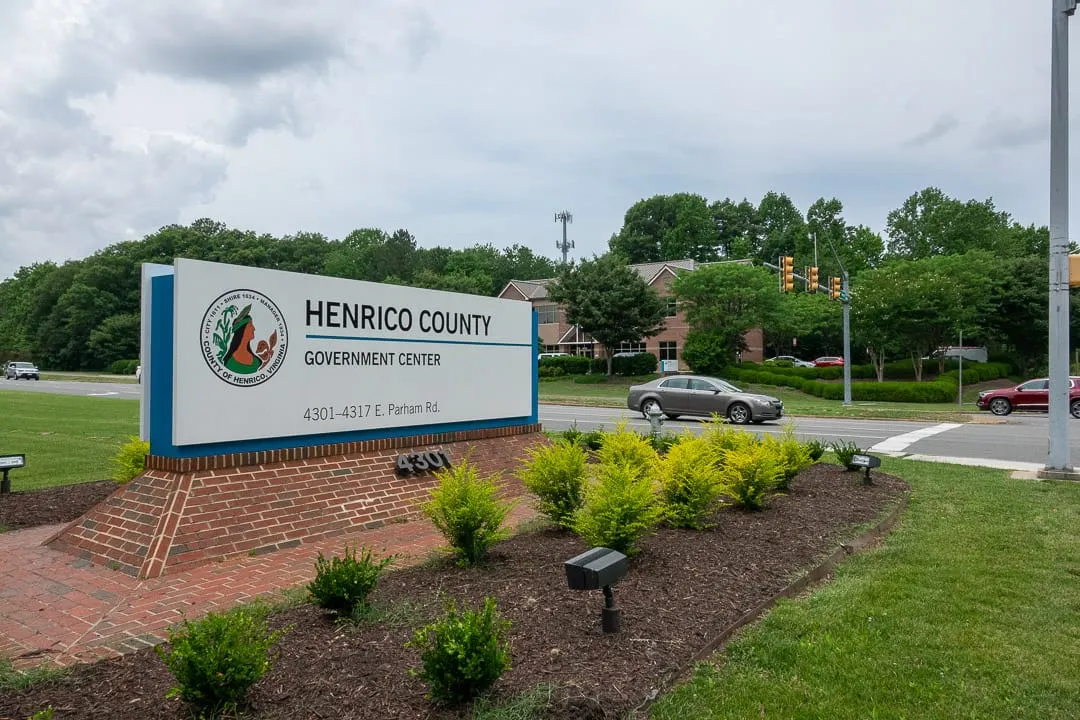
Several residents at Tuesday’s Henrico Board of Supervisors meeting spoke out on a number of issues within the county ranging from data centers to Flock and speed cameras.
Henrico County has a total of 37 data centers, with some being hyperscale data centers and others being smaller facilities. The majority of data centers are located in the eastern part of the county in White Oak Technology Park.
Local concerns about water availability and electricity costs have grown over this past summer; on June 26, Henrico County Manager John Vithoulkas sent an email to all county staff asking them to take electricity-saving measures, such as refraining from using space heaters, due to a 25% jump in electricity rates.
The request ignited pushback from residents, who argued that the county should be setting more restrictions on large energy consumers such as data centers, and even made national news.
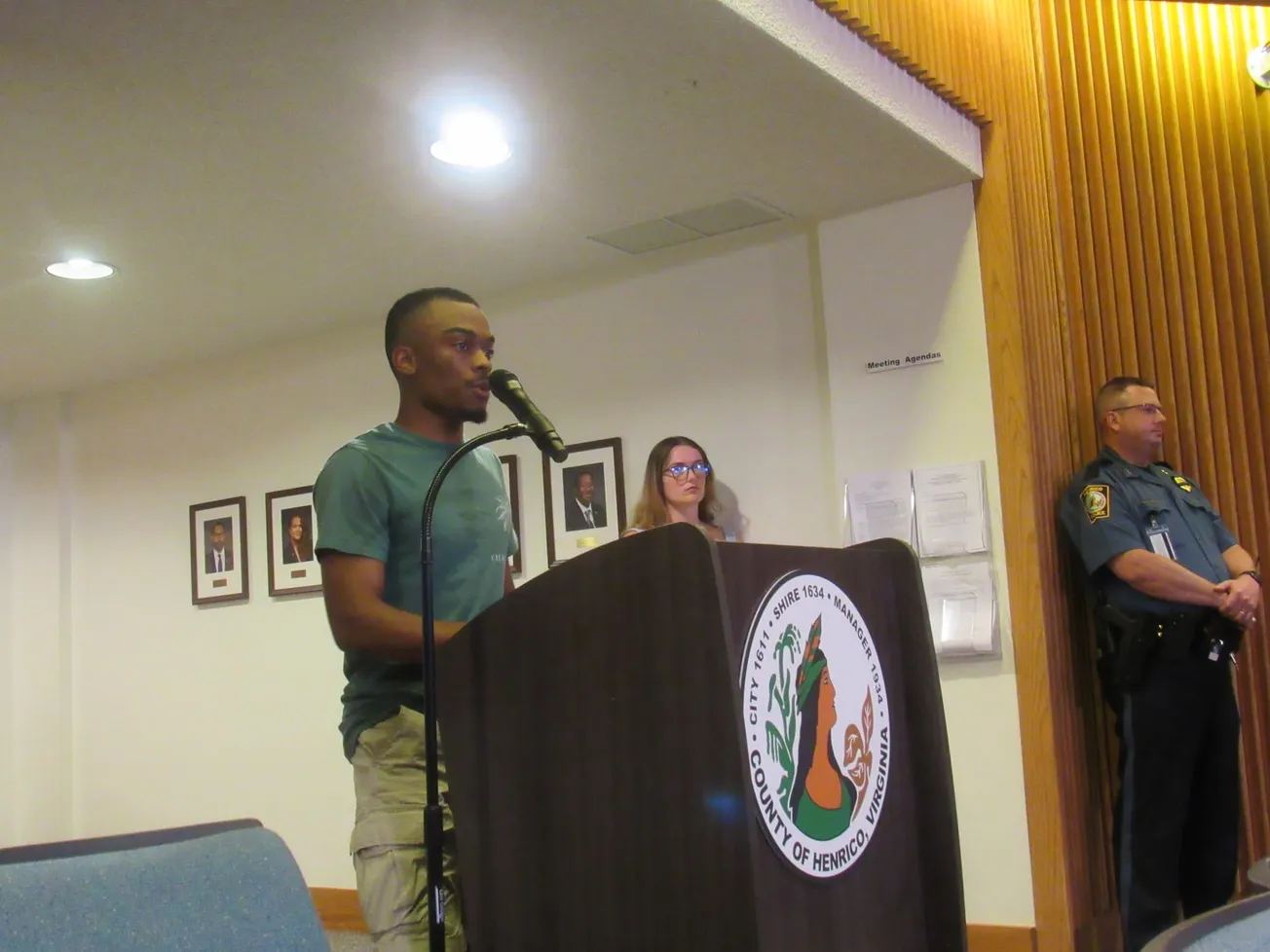
“Data centers, they’re a strain on the locality. They drive up electricity prices and they steal water from our people,” said David Parker, a college student from Henrico, at Tuesday’s meeting. “The majority of these data centers are in the East End where I live, and it tells a tale of time and time again, where people of lower income, people of color, are encroached upon by large businesses.”
Earlier this summer, Henrico also implemented voluntary water use restrictions for residents and businesses, which prompted similar pushback: residents argued that the county should restrict local data centers, which use 500,000 gallons of water each day on average, before asking residents to conserve water.
“That’s an issue when, in the middle of the summertime when it’s extremely hot and people need water, that you’re telling citizens to conserve water. That’s a shame,” Parker said. “We have living people that need water to live and you don’t ask data centers to conserve water [or] to maybe shut off for a few days.”
But Henrico’s Department of Public Utilities Director Bentley Chan said that the water used by data centers, compared to the county’s combined usage of 30 million to -40 million gallons per day, is only about 2% of water usage in Henrico.
Varina District supervisor Tyrone Nelson said that Henrico has “reached our max for expansion of data centers.” The last data center expansion approved by the board was the QTS 1,100-acre data center expansion, including land that was rezoned in 2024; construction work on the expansion is still ongoing.
'How much automated surveillance are we comfortable introducing into our community?'
Residents also expressed concerns about the county’s contract with security company Flock Safety, saying that the 128 Flock cameras placed throughout the county amount to a “surveillance state” and invade the privacy of residents.
The 128 automated license plate reader cameras take a photo of every car that passes through, recording the license plate and the vehicle’s make, model, and color. Henrico holds onto the images for up to 21 days, unless they are related to a criminal investigation.
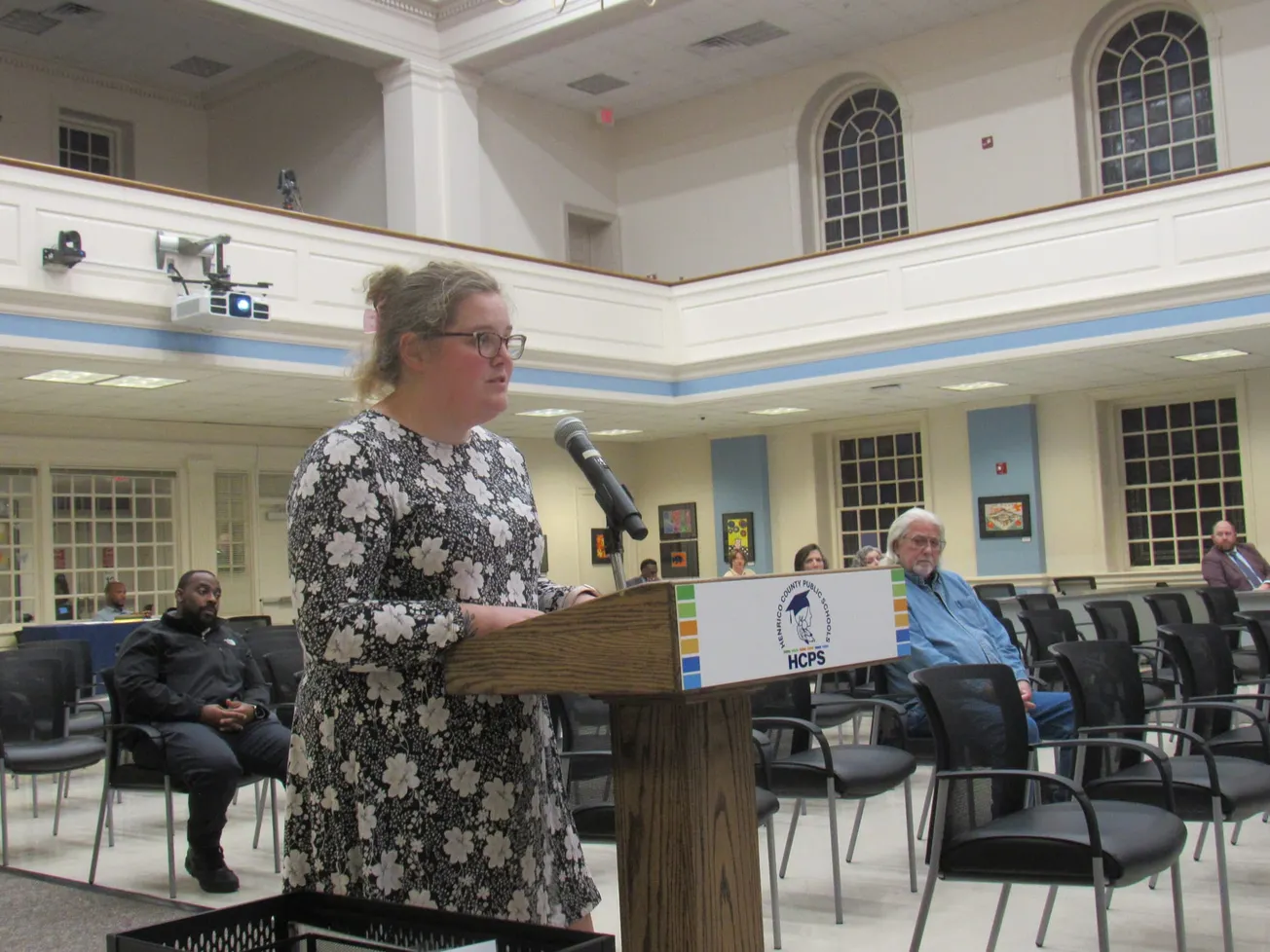
“I don’t think that we should be associating ourselves with companies like [Flock],” said Cory Rutledge. “It doesn’t give me a great feeling about what they’re doing or could do with the data. It’s a lot of trust placed in a fairly new company and a fairly new area of technology.”
Twenty-year Henrico resident Madison Kuriger said that along with Flock cameras, she is also concerned about the county’s proposal to install speed cameras at all high schools and two middle schools starting at the end of this year.
“I understand the goal – reducing speeding and protecting children around school areas – and I absolutely support that goal. But I think the proposal raises a larger question: how much automated surveillance are we comfortable introducing into our community in the name of public safety?” Kuriger said. “We are normalizing a level of surveillance that I don't believe belongs in everyday life in Henrico.”
The board of supervisors is set to hold a public hearing and vote on the proposal on Sept. 8. While the maximum fee that can be awarded for speed camera violations is $100, the board will not decide on the amount charged until Sept. 8.
Liana Hardy is the Citizen’s government and education reporter. Support her work and articles like this one by making a contribution to the Citizen.