Henrico County is shaping its environmental future in new climate action plan
Henrico County officials have held five public meetings throughout the county to gather input from residents for a new 30-year climate strategy plan.
The county’s sustainability office aims to develop the Climate Action and Adaptation Strategy by the end of this summer using community feedback and regional data collected by PlanRVA, said Henrico Sustainability Director Samantha Hudson. The county has no defined goals yet for the strategic plan, Hudson said, and is still in the progress of learning what residents want to prioritize.
“This is really filling in a blind spot in some ways for the county, so we can know where our community stands and what actions the county should be taking,” she said. “We’re trying to understand how the community feels about their ability to take action in their daily lives.”
The county’s new 10-person Sustainability and Resilience Advisory Committee, which was appointed by the board of supervisors, will serve as the steering group for the plan, said Hudson. (The committee will meet every other month.)
Along with in-person open houses in each district, Henrico launched an online survey last month that will be open through Mar. 16.
At the county’s Tuckahoe District meeting on Mar. 2, residents brought up concerns about diminishing green space in the county, the need for more walkability, concerns about a growing utility footprint, and the desire for more local solar and recycling initiatives.
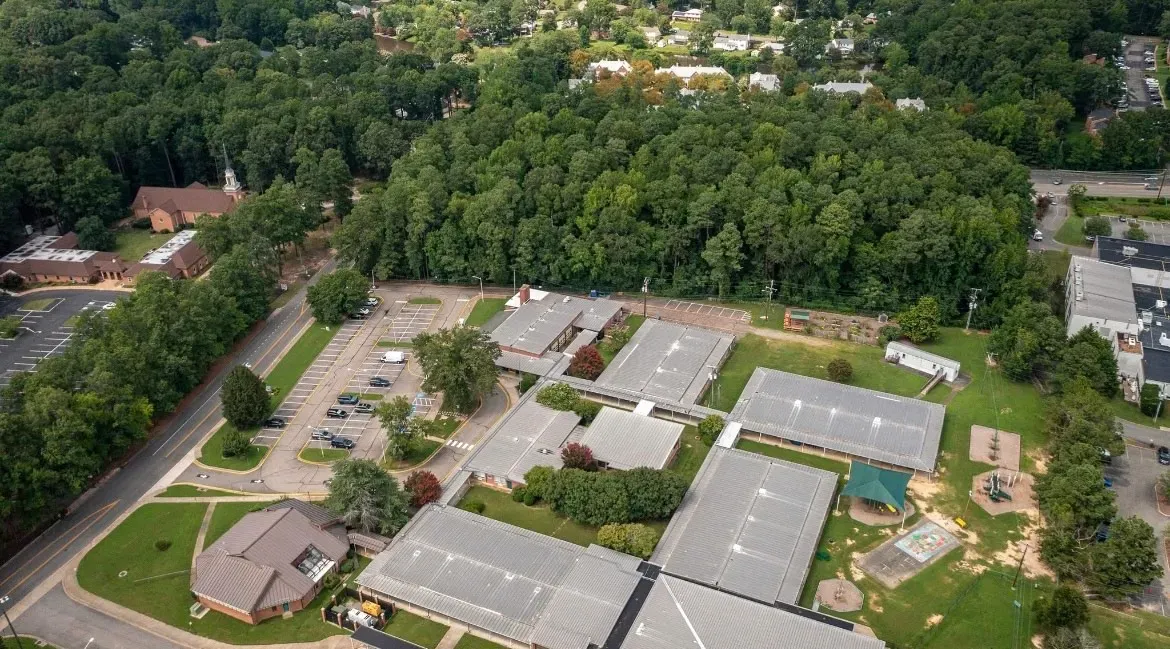
The county has had recent success in conserving green space in pockets of Tuckahoe, such as establishing a new small park next to Maybeury Elementary and conserving land in Ziontown, said Tuckahoe supervisor Jody Rogish. But the amount of undeveloped land in Tuckahoe is very minimal, he said.
“We’ve expanded green space in Tuckahoe tremendously. Land conservation has been really successful here,” Rogish said. “There’s not that much land left available in Tuckahoe. And if you look at a map, there are not that many parks in Tuckahoe.”
Henrico parent Danna Flaherty said that environmental conservation is her “peak voting issue,” and she wants Henrico County to do “everything they can” to reduce their environmental footprint.
She believes Henrico has already made progress by increasing mixed-use and high-density zoning near transportation corridors, reducing suburban sprawl and promoting more energy efficiency.
“There’s some things that they’ve done on zoning that goes under the radar, but land use and zoning are ways that you can really help decrease greenhouse gas emissions in the county,” Flaherty said. “That’s how you get more apartments and places where people can live that are on public transportation, so more of us can get away with less car travel.”
'It's just too much'
On an A-to-F scale, the American Lung Association’s 2025 report card on Henrico County’s “State of the Air” gave the county a “B” grade for ozone levels and a “C” grade for levels of fine particulate matter – two major air pollutants. About 10% of the county’s population has asthma, which means they are more vulnerable to airborne pollutants.
Longtime Henrico resident Karen Hamilton said she is concerned about the environmental impacts of Henrico’s fast-paced rate of development and population growth. As population density increases in the county, so does the car traffic, she said, because Henrico has limited public transportation options.
“The county has allowed over-development and has devastated the landscape of Henrico,” Hamilton said. “I want to see them just absolutely stop, or at the very least slow down. We need to stop building all of these apartments and condos and townhouses. It’s just too much.”
Many of Henrico’s GRTC bus routes only run from about 7 a.m. to 7 p.m., forcing Hamilton, who doesn’t own a car, to walk the several hours home after attending county meetings that go late into the night.
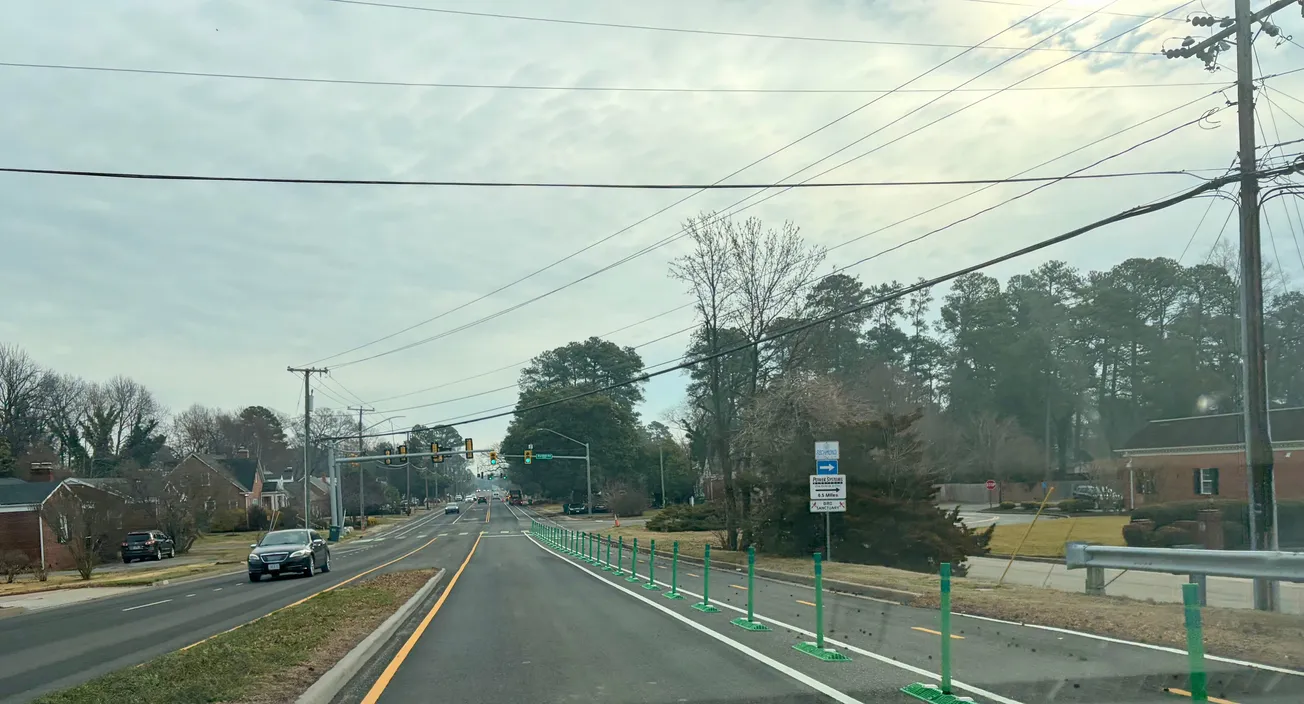
Flaherty said she would also want to see the county expand public transportation options, as well as the amount of sidewalks, bike lanes, and bike paths to make Henrico more walkable and bikeable.
“Right now, there are some areas in the county that are harder to bike. It’s not always safe” she said. “I see people walking and biking along Three Chopt Road often, and there are segments of the road that don’t have sidewalks or a good place for people to walk.”
Alongside the climate action plan, Hudson said that Henrico’s sustainability office has focused on implementing residential solar programs and expanding the number of electric vehicle charging stations in the county. Henrico currently has no publicly-operated electric vehicle fast chargers, with only one privately-owned on Route 1, but plans to install several chargers at Tuckahoe Area Library and other county buildings.
But several energy efficient options, such as solar panels and electric vehicles, have higher upfront costs that can be a financial barrier to families, said Henrico resident Robert Rymeis, who sits on the Sleepy Hollow Civic Association.
“A lot of energy efficient items or things to do are more expensive than the old models in general, so you’ve got to realize that some people can’t afford it,” he said. “Changing your system, you can’t push people to do it. You’ve got to educate them.”
Other residents also brought up the need for more recycling and composting incentives.
“I think people don’t understand the amount they are adding to our waste,” said Henrico resident Bharat. “Not many of my neighbors recycle, and I see trash all around the county. That’s just not cool.”
Liana Hardy is the Citizen’s government and education reporter. Support her work and articles like this one by making a contribution to the Citizen.