Film screening, expert panel raise awareness about growing homelessness among elderly in Central Virginia
Homelessness in older adults is rarely a single event but rather an accumulation of lifetime inequities.
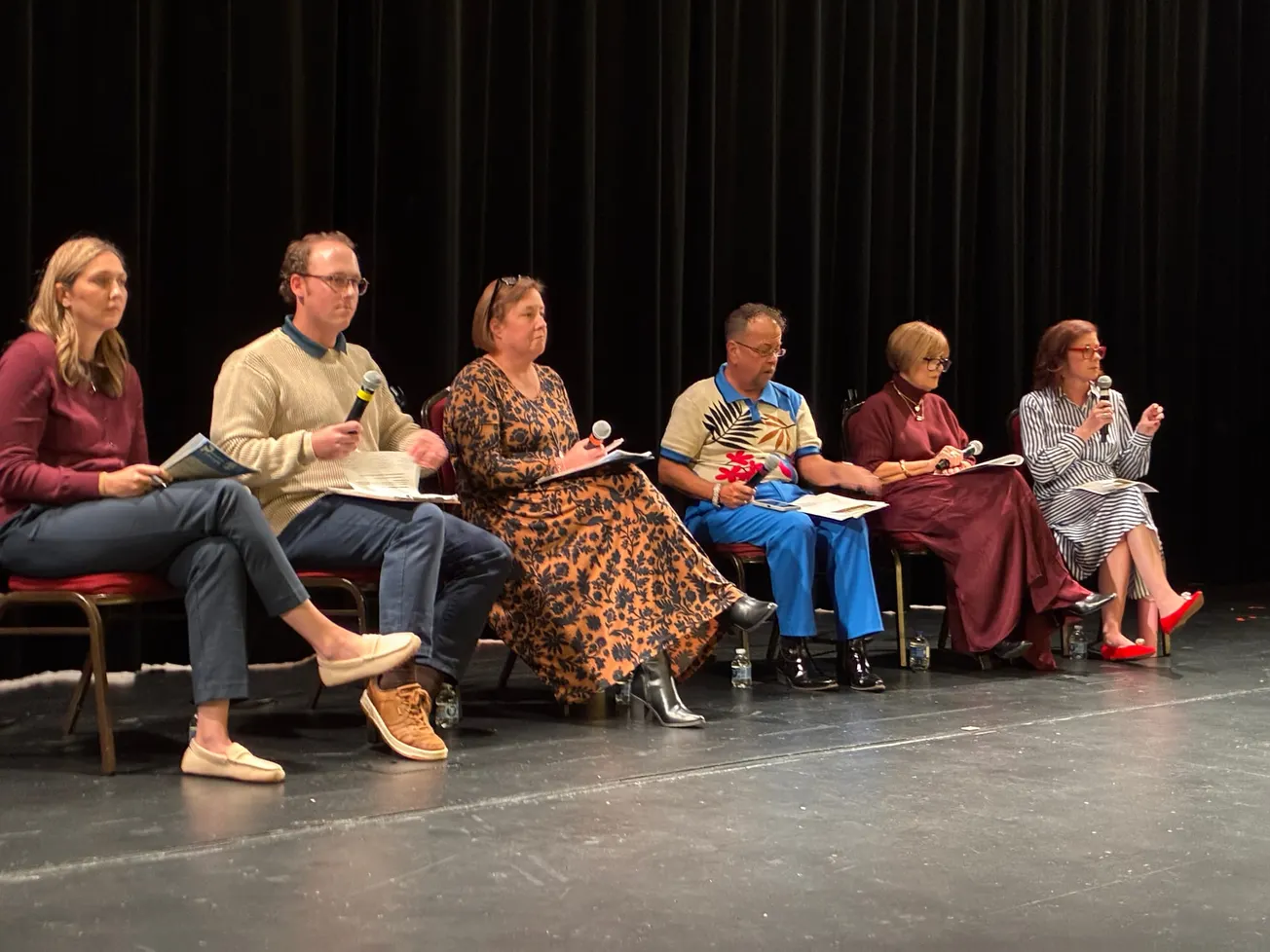
That was a key point addressed during a Nov. 10 panel of local and national experts on aging and housing insecurity following a screening at The Cultural Arts Center at Glen Allen of the documentary No Place to Grow Old, which focuses on the growing crisis of the increasing number of unhoused older adults.
“Older adults are among the fastest-growing populations of unhoused adults,” said Claire Ruble, program manager for LeadingAge Virginia, a statewide association that advocates for aging-services providers. LeadingAge Virginia and the Partnership for Positive Aging hosted the event at The Cultural Arts Center at Glen Allen.
The Partnership for Positive Aging is a regional coalition organized by PositiveAge, LeadingAge Virginia’s nonprofit foundation, in collaboration with the SPAN Center, the Area Agency on Aging serving Richmond and seven surrounding counties.
Homeward’s July 2026 Point-in-Time count identified 613 people experiencing homelessness in the Richmond region; about one in five were age 60 or older. In addition, 62% of these older adults reported a disability, and 60% took three or more medications.
Last winter, more than 5,500 people received homelessness-related services through the Greater Richmond Continuum of Care.
Economic hardships including housing costs, eviction and unemployment are the leading driver of homelessness in the region. Older adults are especially vulnerable because they live on fixed incomes and face rising costs for housing, healthcare, transportation, food and other necessities.
“It’s easy to think of homelessness as something that happens to someone else, but the reality is that older adults experiencing homelessness are someone’s parents, grandparents and neighbors,” said Melissa Andrews, president and CEO of LeadingAge Virginia. “Many have worked their entire lives, raised families and contributed to their communities, never imagining they might one day struggle to find a place to live."
Causes of homelessness
Homelessness in older adults is caused by several systemic issues like racism and economic instability caused by low-wage work without retirement benefits, according to experts at the event. The rising costs of food, healthcare and utilities also play a part.
While No Place to Grow Old focuses on Portland, Oregon, it also zoomed out to investigate the issue nationwide.
The panel discussion after the film, with representatives from housing and aging organizations, focused on the challenges older adults face in securing stable housing and how Central Virginia can better address the issue.
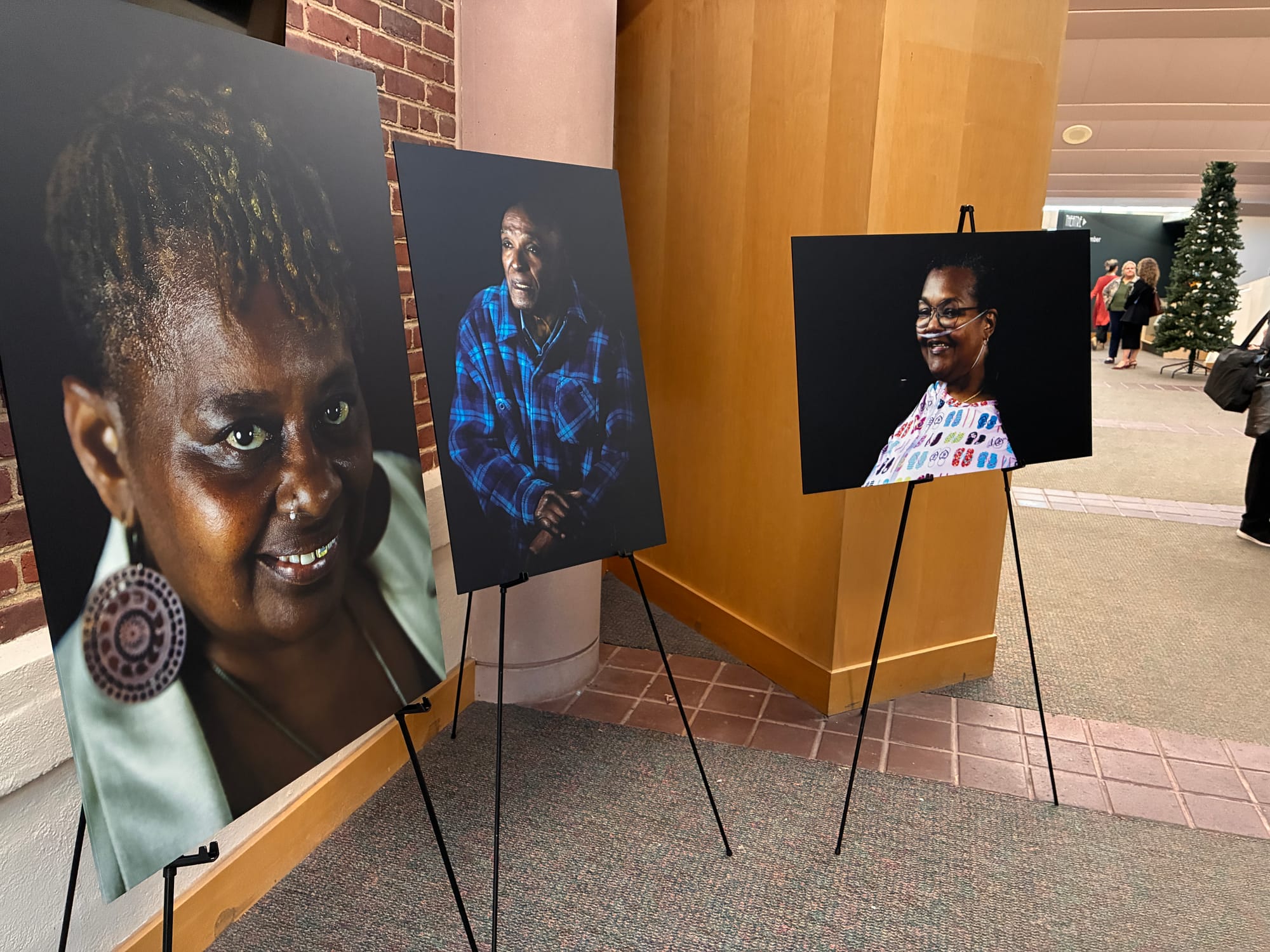
Choice East, a homeless advocate at Homeward, bared his own story of homelessness. An exhibit of portraits of local, older, homeless people highlighted how stories are a strong method to help housed people and decision-makers understand the experiences of vulnerable people around us without shelter. Speakers urged the crowd of about 200 people from agencies to view homelessness as a collective societal issue.
The panelists identified critical issues around the needs of the homeless, possible ideas for prevention, funding and advocacy.
The screening was meant to help people better understand the issue but also spark an honest conversation about what people, decision-makers and agencies can do here in Central Virginia to ensure older adults can find and maintain safe, stable housing.
Experts at the event said there is an urgent need to address housing needs of older people in the Richmond region. Key factors increasing homelessness among older adults here include the layered effects of trauma from addiction, mental health challenges and disabilities. The lack of affordable housing stock also leaves seniors with minimal funds after paying rent or shared living costs.
But homelessness in older adults is often hidden, because many may move between friends’ or family members’ homes, live in unsafe or unstable housing situations, or face challenges finding housing that is both affordable and accessible. And so, the experiences of homeless older adults are not always captured in official homelessness counts. But they affect the quality of life, health and independence of seniors.
Some solutions
Speakers explained that older adults can face challenges in finding and keeping stable housing, including those with fixed incomes facing rising housing and medical costs, and health or mobility issues. These barriers can make it difficult to secure housing and maintain independence.
Older adults who own their homes aren’t immune to housing instability either; rising property taxes, insurance, utilities and other living expenses can make it increasingly difficult for older adults to remain in their residences, speakers said. (Henrico, however, offers the Real Estate Advantage Program, or REAP, and the Real Estate Cap Program, or RECAP – which are designed to eliminate or freeze property taxes for eligible seniors and others.)
“Funding is incredibly important piece because, we can work very diligently alongside individuals experiencing homelessness to work those stability plans, identify what the next steps look like, help the create budgets and connect to the supportive services,” said panelist Matthew Tucker, CARITAS director of shelter. “But for individuals in survival mode, there is no possibility that they can save up two times the security deposit, first month’s rent, application fee, holding fee, administrative fee, and the charges that come along with the money order.”
“So, the ability to use [additional] funds. . . makes an incredible difference because it sets them up to be able to transition into that housing stability with time, resources and the capacity to make that transition as smooth as possible.”
The current Social Security benefit of approximately $994 makes it difficult for elderly people even to afford even shared living costs, Tucker said. And, he added, the country has underinvested in housing stock, affordability and supportive services during a period of many years.
SPAN Center Director Amy Strite focused on prevention through accessible housing, economic security and community-based services.
Susan Hallett, director of philanthropy at the Bob and Anna Lou Schaberg Foundation, recognized successful collaborative models of serving older people to keep them in their housing by area nonprofits like the Salvation Army, United Way and Jewish Family Services, with effective interventions including in-home care to keep vulnerable seniors safe and housed within their communities.
But she said only about 2% of foundations give money toward older-adult causes.
Tovah Garnett, vice president of property management at the Better Housing Coalition, said that organizations need to invest in aging-in-place supports like home modifications, financial management training and food security assistance.
No Place to Grow Old was released on Amazon Prime this week for general viewing. The Partnership for Positive Aging intends to convene diverse organizations to focus on shared solutions. Organizers stressed the importance of legislative advocacy at local, state and federal levels to influence policies and funding.
“We’d like to see people volunteer, give of their time. We’d like to see them donate money to the organizations that were represented here today,” said Andrews of LeadingAge Virginia. “Most importantly, we’d like them to contact their policymakers to raise the issue to make sure that our legislators know at the local, state and federal level that this is a systematic problem, and that in order to solve it, we’re going to need government participation.”
Dina Weinstein is the Citizen’s community vitality reporter and a Report for America corps member, covering housing, health and transportation. Support her work and articles like this one by making a contribution to the Citizen.