Skip to content

As Va. officials weigh data center pushback, report details industry’s public service funding

Virginia localities mull data center pauses as industry-backed report shows how local tax revenue could aid in housing needs.
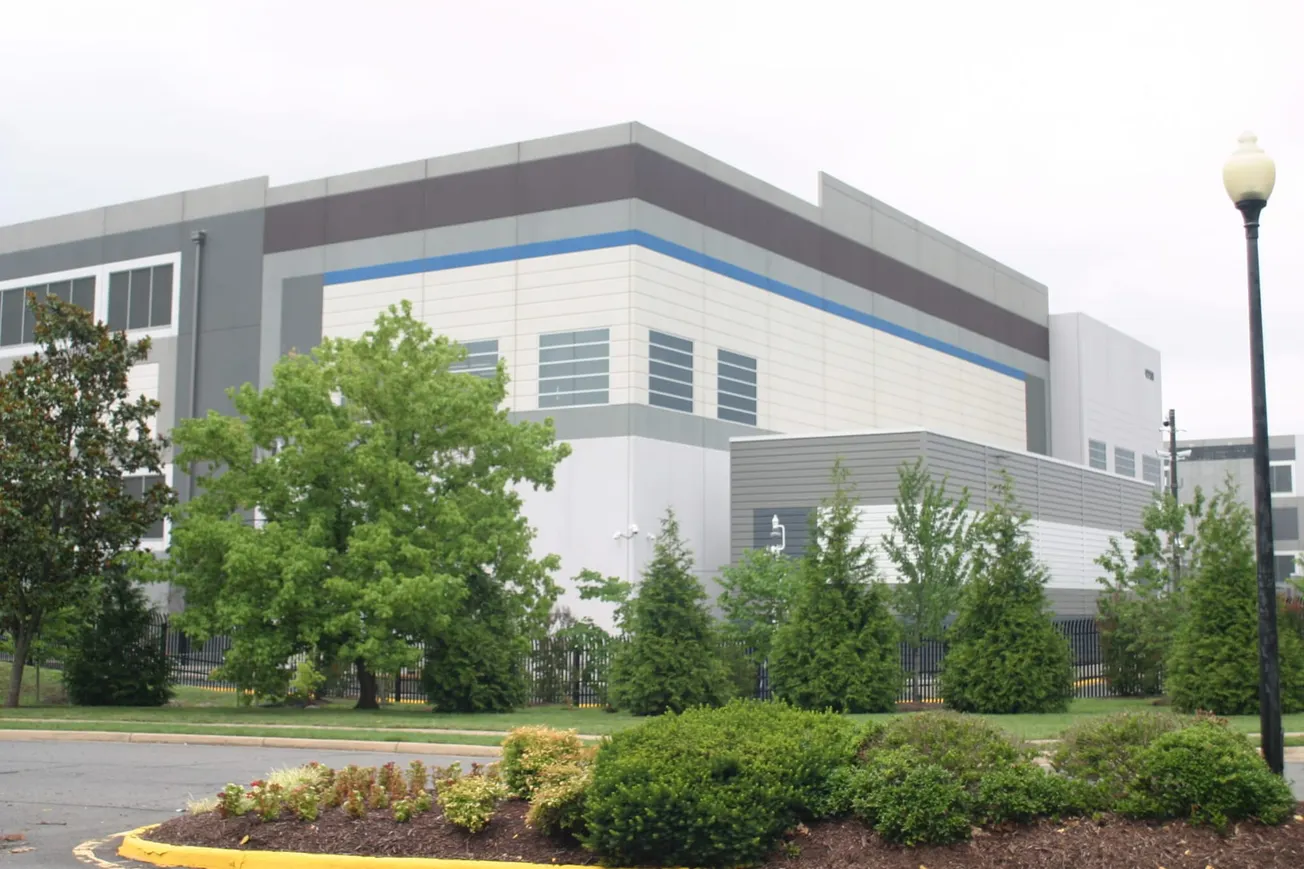
A data center in Prince William County, Virginia. (Photo by Shannon Heckt/Virginia Mercury)

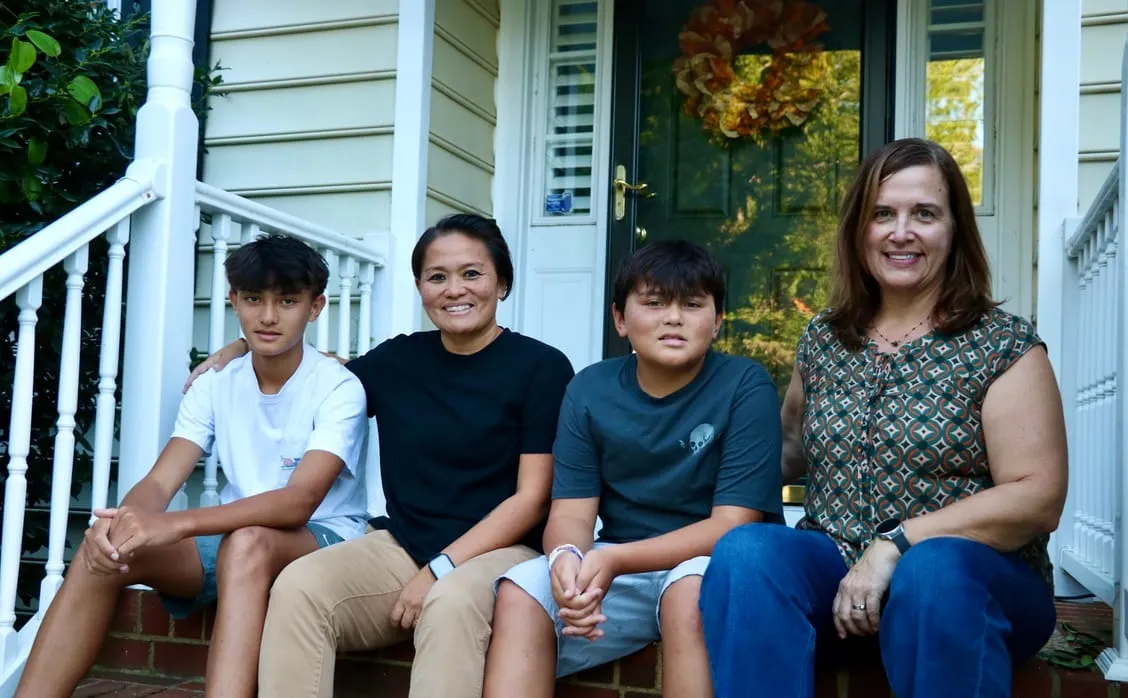
As a single mother balancing work against earning a nursing degree, Yvettrise Hoskie thought homeownership was out of her reach. Now, she’s settling into a Henrico County townhome development. 

The county’s Affordable Housing Trust Fund helped with her downpayment, but the financial assistance was made possible by one of the state’s more controversial neighbors — data centers. 

The fund was created in 2024 and helps first-time homebuyers making between 60% and 120% of the area’s median income. The fund is fueled by data center tax revenue. 

Eric Leabough, Henrico community revitalization director, explained that the median income range is meant to help some lower-income earners and middle-class families that have otherwise been priced out or struggle with down payments. 

He added that the goal is to make 750 new homes available to residents in the first five years. He said that 472 have been approved since the fund launched and 85 deals have been completed so far, with families like Hoskie’s living in them. 

“A lot of these homes have to be built, so we are at the mercy of construction timelines,” he said.

Henrico supervisor Tyrone Nelson, who championed the creation of the fund and tethering it to data center revenue, said it “will have impact for generations.” 

Hoskie said she can now build a stronger financial foundation for her family. 

“For anyone trying to buy a home and struggling, just know that it’s out there and Henrico is willing to help you,” she said. 

Nelson explained that his locality decided to focus specifically on supporting first-time homebuyers because the greater Richmond region’s population has grown and addressing housing supply for both renters and buyers has broadly been a goal for regional elected officials. 

Nelson said that he hopes Henrico’s story can inspire other localities. 

Henrico, with its 37 data centers, is one of several Virginia localities that have funneled revenue from the facilities towards public benefit, but their massive power demands and siting issues present persistent challenges for residents and local leaders. 

Local tax dollars show benefits, but residents don’t feel the balance

new analysis by centrist-left think tank Chamber of Progress, which is funded by the tech industry, highlighted how Loudoun County — dubbed the data center capital of the world — has lowered its property tax rates over the past decade while boosting public service funding. 

County officials have been able to reduce real estate tax rates every year for a decade due to data center tax revenue ballooning. It’s projected to total $1.3 billion in 2027. 

In the beginning of the 2026 tax year, Loudoun cut the $25 vehicle license fee for residents. Annually, data center tax revenue directs over $100 million towards county schools and other programs.

The Chamber of Progress report also highlighted Prince William County, which is a similar size as Loudoun but has lower per-pupil school investment and a higher property tax rate.

While many of Loudoun’s residents are affluent, Chamber of Progress economist Kaitlyn Harger said that the locality’s use of data center revenue can be a blueprint for areas with fewer resources, too. 

“Loudoun provides a really good example of how you can use data center tax revenue to lower burdens on households,” she said. “I think that’s a huge way that data centers can be better neighbors.” 

State officials take a closer look at how to regulate data centers

Residents’  appetite for data center development has abated across the commonwealth, and even Loudoun may be ready to roll up the welcome mat for the industry. 

The county Board of Supervisors will vote at their Sept. 15 meeting whether to implement a temporary pause on all new data center applications while the county’s comprehensive plan zoning ordinances are being reviewed and updated.

“The community has basically been begging us to do something about the unchecked growth of data centers,” County Supervisor Juli Briskman said in a July interview. “The communities have been asking us to fight back against these big corporations that have basically been able to run roughshod over the county.”

Suffolk, Front Royal and Chesapeake have also discussed policy shifts to limit the industry.

Virginia does not have a statewide standard for siting of data centers, which has left local communities to learn about the process as they go. 

Residents statewide have amplified their opinions on noise, water use, power infrastructure, and other impacts that accompany data center development. This has led to a major increase of local engagement at public hearings for data center applications and zoning considerations.

A new Chamber of Progress data center policy guidebook advises leaders against adopting moratoriums. Harger noted that any data center siting or rejections are important for localities to consider individually. 

The organization suggested data centers can be good neighbors if developments “bring, build or buy” their own power and ensure that water used to cool servers is recycled.

Local leaders should also work with data center developers to set clear agreements and enforcements for violations of the terms in writing prior to construction, the report advised. 

Data centers building their own power may hinder Virginia’s near-term clean energy goals. 

Under the Virginia Clean Economy Act, the major utilities are required to retire their carbon emitting power generation facilities by 2045. 

But data centers who build their own on-site power — otherwise known as behind-the-meter power, which recent proposals show is mainly gas generation – do not fall under those requirements. 

“I do not want to see us move in a place where we think, as a commonwealth, we’re on path towards meeting the VCEA goals but that’s because there’s all this generation that is sort of outside of the scope of what is counted,” Gov. Abigail Spanberger said in a July interview about behind-the-meter gas proposals from data centers. 

Instead, the governor said the state should focus on “Now how does Virginia become the place where (there are) the best in class generation efforts in newer technologies?”

Data centers tied up state budget negotiations for months and almost triggered the state’s first government shutdown this summer. 

The crux of the fight was whether the data center industry should be allowed to keep their state sales and use tax exemption, which saves the tech industry an estimated average of $1.6 billion yearly. 

Ultimately, the exemption was left in place with some new environmental and regulatory changes laid out in the budget text.

Lawmakers across the political spectrum have pledged to revisit these data center issues on a statewide scale when the General Assembly returns in January. 

Hoskie, the Henrico homeowner, has registered her 14-year-old son for his new school. Her mortgage provides stability, she said, and costs less than her previous rent.

She doesn’t have strong sentiments in favor of or against data centers, but Hoskie said that any locality that approves the facilities should ensure they bring public service investments or fund programs like the one in Henrico that made her a homeowner.


Virginia Mercury is part of States Newsroom, a nonprofit news network supported by grants and a coalition of donors as a 501c(3) public charity. Virginia Mercury maintains editorial independence. Contact Editor Samantha Willis for questions: info@virginiamercury.com.

Comments