
Virginia soon could require permit to hunt with dogs
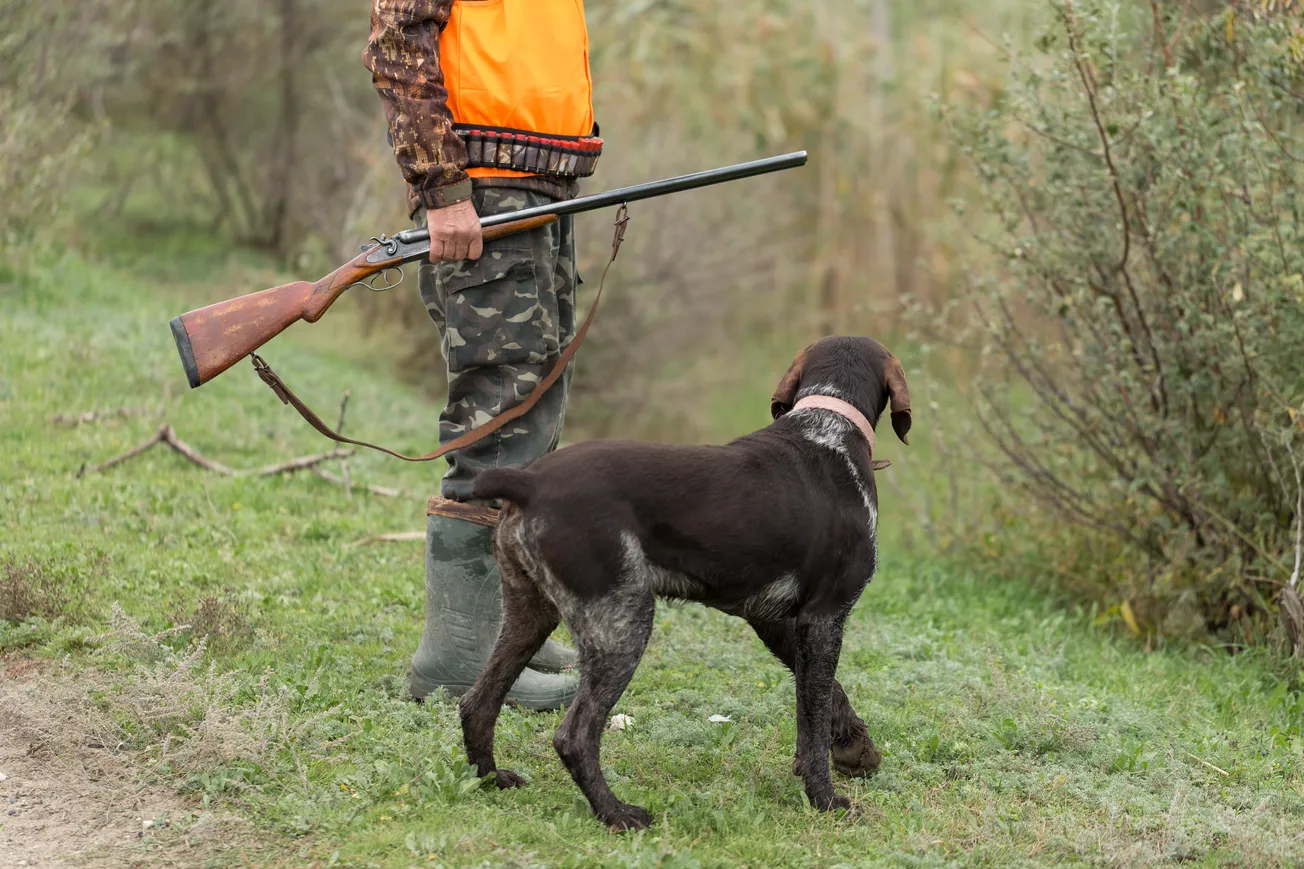
A Virginia House bill is headed to the Senate that would create and require a $19 permit from the Virginia Department of Wildlife Resources for hunters who use dogs.
Del. Marty Martinez, D-Loudoun, introduced House Bill 1396, which would require individuals or organizations to obtain a permit to hunt game animals, fur-bearing animals or nuisance species, with dogs.
Hunting with dogs has deep roots in Virginia, but the practice has fueled decades of disputes over property rights between hunters and landowners. The state law permits hunters to enter private property, without weapons, for the limited purpose of retrieving hunting dogs.
Beginning July 1, 2027, it would be unlawful to release a dog to hunt, pursue or chase any game animal, on any tract of land without the permit.
The bill directs the DWR to establish procedures for issuing and renewing permits, set identification standards for hunting dogs, and outline enforcement, suspension and revocation guidelines. It also implements measures intended to prevent hunting dogs from entering private property without written or verbal permission.
HB 1396 has some exceptions. It does not apply to mounted fox hunting, which is done on horseback with dogs hunting waterfowl, migratory or upland game birds. People are allowed to use tracking dogs to recover wounded deer, bear or turkey. No permit is needed for dogs kept within a hunter’s immediate sight and control, or for hunting on public lands where it is allowed.
“This bill, by no means, bans hunting,” said Del. Nadarius Clark, D-Chesapeake, co-patron of the bill. “It’s just putting guard rails on it.”
DWR will have a registry of hunters who use dogs while preserving their right to retrieve dogs or game, noting that firearms must be unloaded when doing so on another person’s property, according to Clark.
Lawmakers sought input from both hunters and landowners to address concerns while developing the bill, which Clark said resulted in “peace in the valley.” He said the bill regulates dog hunting practices, not firearms.
“We’re not in the business of trying to hurt the Second Amendment, but just making sure we do have responsible gun ownership and also protecting our land owners while also honoring the culture of dog hunting,” Clark said.
Supporters of HB 1396 urge lawmakers to support the bill, claiming the state needs stronger oversight. One supporter, Chris Patton, a retired U.S. Marine Corps colonel, said a permit system is increasingly relevant.
“Last year there were 1,276 complaints in Virginia related to deer dog hunting,” Patton said in his testimony in the House Agriculture subcommittee. “That's up 19% from the year before and every single year in the last 10 years, there's been an increase in complaints.”
The department acknowledged the growing problem in 2016 and indicated Virginia would likely need a permit system similar to those used in other southeastern states within a decade, according to Patton.
Opponents argue the bill ignores past recommendations and adds an unnecessary burden on hunters while failing to address rural concerns.
“Yes, this issue's been around a long time,” testified Kirby Birch of the Virginia Hunting Dog Alliance. “It's been studied, cussed and discussed. The reality of it is, if people don't want to hear the solutions, if people don't want to live with them, they're going to continue to fight with us.”
A stakeholder advisory committee met for more than a week with representatives from local government and other organizations and developed recommendations to address conflicts. The group did not recommend a permit requirement, Birch said. Instead, members called for additional training and staffing for conservation police officers and increased funding for the DWR.
DWR has a collection of studies on "hunting with hounds in Virginia" going back to 2008 on potential solutions to help resolve the ongoing conflicts. Lawmakers also have previously attempted to address the matter. In 2024, amendments toSenate Bill 30directed the DWR to develop a free permit for hunting with dogs through the budget rather than amending the state code. The same year, Senate Bill 712 sought to penalize the release of hunting dogs on public roads but failed in the Senate.
Under the current proposal, violations would carry a civil penalty up to $50 for a first offense, and between $100 and $250 for subsequent offenses within three years. Revenue from the fines would be deposited into the state’s Game Protection Fund. Repeat violations could result in permit suspension or revocation.
The bill passed the House on a 55-39 vote, with a few Democrats voting against the measure and some not voting.