
Virginia joins states challenging Trump admin regulations that limit free birth control access
Virginia lawmakers are also pursuing a state-level right to contraception proposal that Gov. Spanberger could sign into law this year
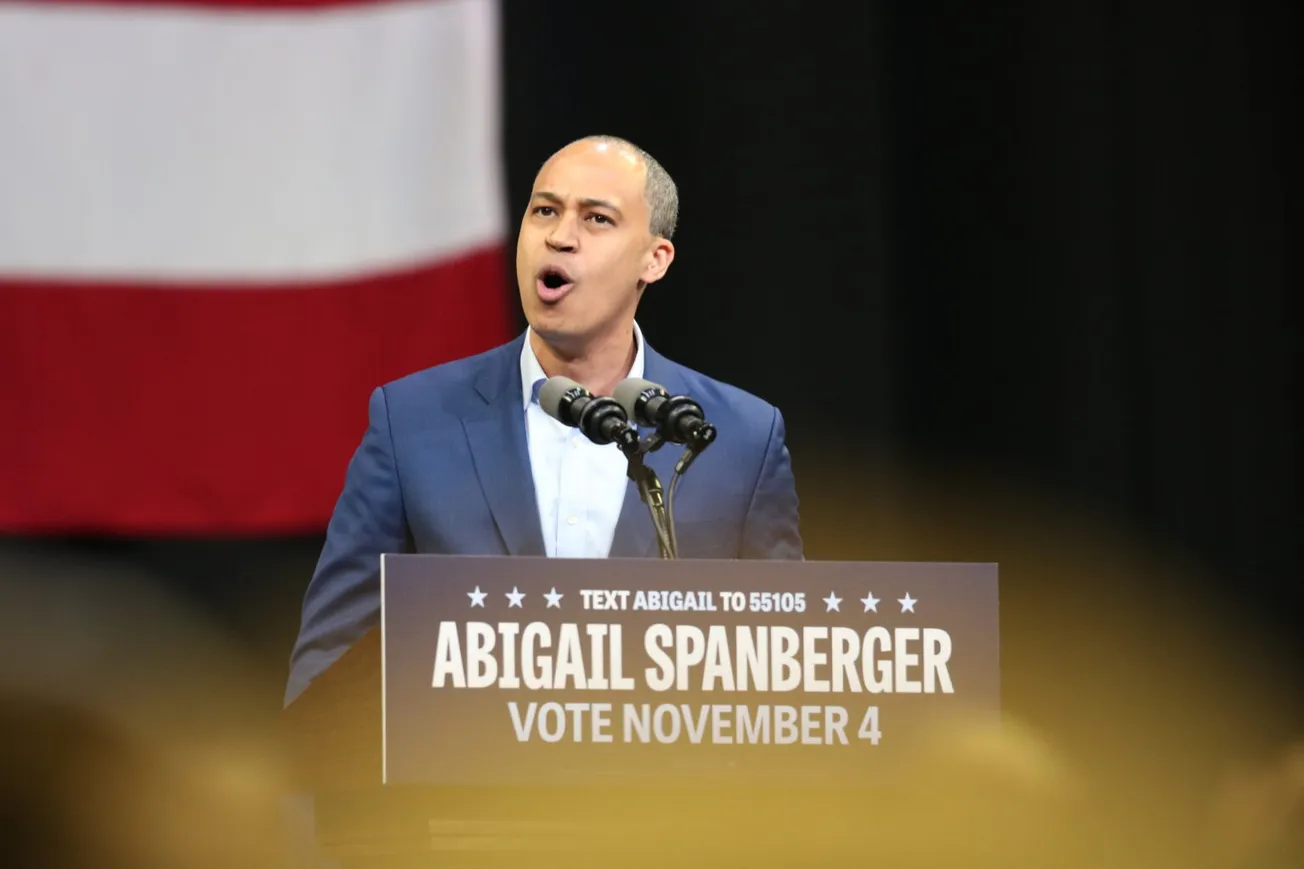
Virginia Attorney General Jay Jones joined his counterparts in 20 other states to challenge regulations President Donald Trump put forth in his first term that expanded exemptions allowing employers to exclude no-cost birth control from insurance plans.
The Affordable Care Act includes requirements that insurers cover contraception, but regulations established in Trump’s first term broadened exceptions for employers and universities with religious or moral objections, enabling them to exclude free birth control from the insurance plans they offer employees.
Legal challenges against the regulations have ensued for years; Jones and others are now urging the U.S. Court of Appeals for the Third Circuit to affirm a previous district court ruling that found the regulations unlawful.
In a statement, Jones accused Trump of attempting to “rewrite” the ACA by “creating sweeping exemptions.”
“This effort is about nothing more than dismantling a core protection of the Affordable Care Act, eroding coverage, and shifting the cost of contraception onto women, families and states like Virginia.” he said. “When the federal government ignores the law and undermines access to basic health care, states have a responsibility to stand up. Virginia is doing exactly that to ensure that Donald Trump’s unlawful rollback of contraceptive coverage does not stand.”
The legal back-and-forth comes as Virginia lawmakers consider two measures to protect contraception access at the state level.

First, a broad reproductive rights constitutional amendment is expected to appear on ballots statewide this November. It would enshrine protections for contraception, fertility treatments and abortion access in the state’s constitution, if voters approve it later this year. It too is subject to ongoing litigation.
Amending or expanding the constitution is a longer process than passing a single law, which also makes it harder to take things out. As the least restrictive southern state when it comes to abortion access in particular, approving the amendment would ensure Virginia retains that status.
Secondly, the legislature is advancing a right-to-contraception law that could ensure access and create standing for lawsuits if someone’s right is infringed upon. The proposal has previously been vetoed by former Gov. Glenn Youngkin but would likely be signed if it makes it to Gov. Abigail Spanberger’s desk this year.
One of the proposal’s authors, Del. Cia Price, D-Newport News, has emphasized that contraception is more than family planning, as she uses it personally to treat polycystic ovarian syndrome symptoms. People with endometriosis sometimes use contraception to treat that condition as well.
From Trump’s regulations being challenged by Jones and other states, to Supreme Court Justice Clarence Thomas’ has interest in undoing federal contraception protections, Sen. Jennifer Carroll Foy, D-Prince William, said in a recent interview: “we know that there is a serious threat.”
Carroll Foy is author of the senate version of the proposal. She and Price explored how to reconcile differences between their bills so that the measure can make it to Spanberger’s desk.
Carroll Foy’s version of the bill was adjusted during the legislative session to “make some Republicans feel a lot more comfortable about supporting the bill,” she said.
The tweak entails reiterating a separate part of existing state code that outlines minors’ access to contraception and how they would need parental consent for surgeries.
In carrying the contraception bill over the years, Price has staved off such an amendment by calling it redundant.
“We do not restate current law in every single bill that we bring forward, we allow existing code to speak for itself,” Price said last year.
When cognate bills pass each chamber with differences, they are put into a conference process to reconcile them. The conference report about Carroll Foy and Price’s bills published Thursday excludes reiterating the state code concerning minors’ contraception access.
Once the bills make it to Spanberger’s desk, she has until April 13 to sign them, seek amendments or veto them.
Virginia Mercury is part of States Newsroom, a nonprofit news network supported by grants and a coalition of donors as a 501c(3) public charity. Virginia Mercury maintains editorial independence. Contact Editor Samantha Willis for questions: info@virginiamercury.com.