Virginia joins national push for refunds after US Supreme Court voids Trump tariffs
Attorney General Jay Jones, coalition urge Congress to repay billions collected under illegal trade policy, citing burden on businesses and consumers
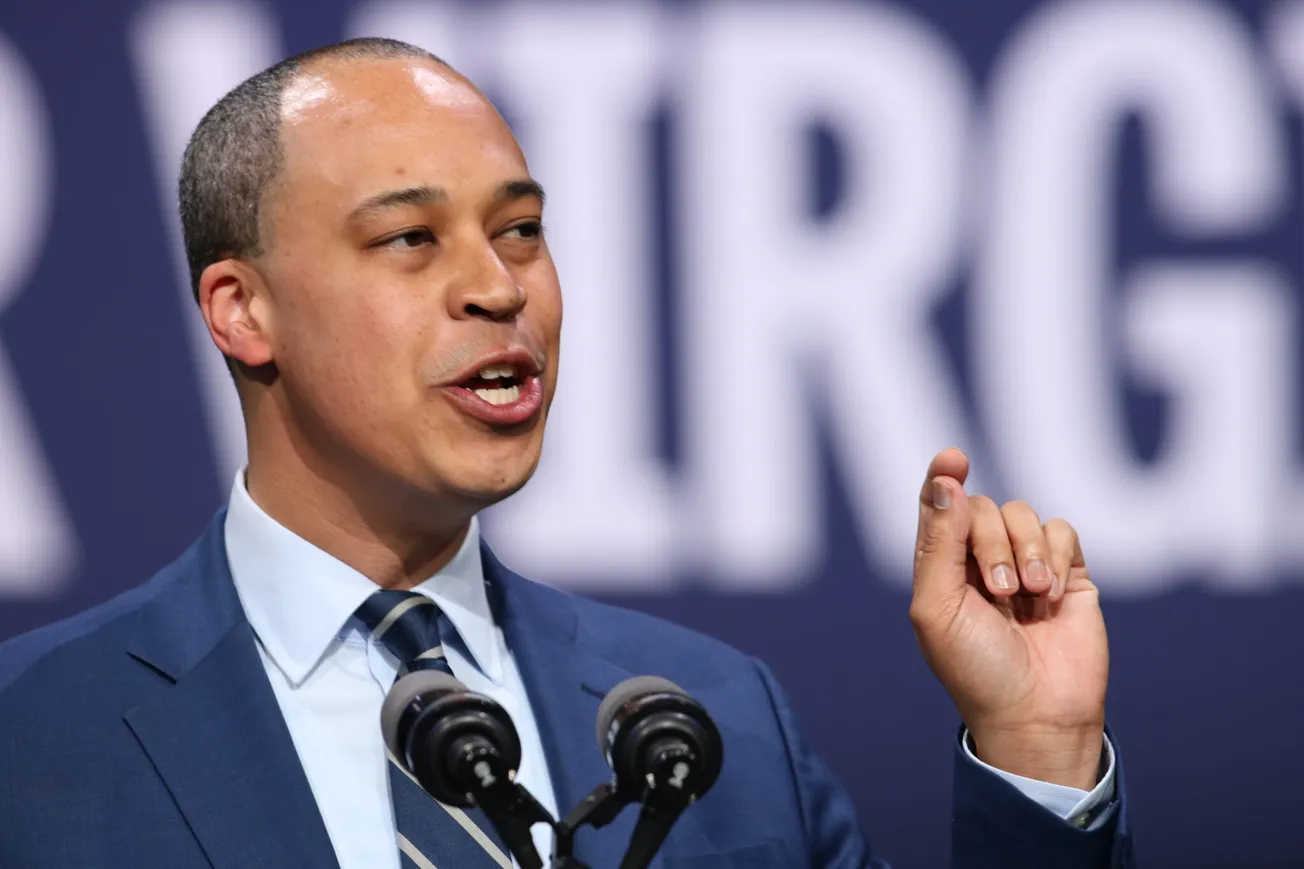
Virginia Attorney General Jay Jones is pressing Congress to force refunds on billions of dollars in tariffs imposed under President Donald Trump, arguing the federal government must quickly repay businesses and consumers after the nation’s highest court struck down the policy.
Jones joined a coalition of 16 other state attorneys general this week in urging lawmakers to pass legislation requiring automatic reimbursement of tariffs collected under the International Emergency Economic Powers Act, or IEEPA — a move that follows a Feb. 20 ruling by the U.S. Supreme Court invalidating the Trump administration’s use of the law to impose sweeping global tariffs.
The effort is spearheaded by New York Attorney General Letitia James.
The coalition says the tariffs resulted in more than $166 billion collected “illegally” from more than 330,000 American businesses and individuals across 53 million shipments.
Trump has repeatedly floated the idea of financial relief tied to his tariff policies, suggesting that revenues generated from import taxes could ultimately be returned to Americans, even as courts and lawmakers continue to debate how — and whether — such refunds should be distributed.
However, such broad-based refunds have not materialized.
In a letter to congressional leaders, the attorneys general call for refunds with interest and a streamlined process that would avoid forcing companies to file claims or pursue litigation.
“Donald Trump continues to exercise power that does not belong to him while Virginians are expected to foot the bill — to tune of $1,700 per family — and keep our mouths shut. No more,” Jones said in a statement.
“Virginia’s farmers, families, and businesses are carrying the heaviest burden of these illegal tariffs. The Port of Virginia continues to see slowdowns in import and export containers. Virginians shouldn’t have to pay the exorbitant price tag of Donald Trump’s trade tantrums. We urge Congress to take swift action and return to the people what is rightfully theirs.”
The push from state attorneys general lands amid a broader national debate over the scope of presidential power on trade and emergency authorities.
Trump’s aggressive use of tariffs has faced repeated legal challenges, culminating in the Supreme Court ruling that found he exceeded his authority under federal law.
Growing scrutiny has emerged around such unilateral tariff actions and their economic ripple effects on U.S. industries and consumers.
Trump imposed the tariffs in April 2025, citing emergency authority under IEEPA. Shortly after, a coalition of 11 attorneys general filed suit, arguing the law does not grant the president authority to levy tariffs — a position the Supreme Court ultimately affirmed.
The economic fallout has been significant, according to the coalition. Virginia farmers alone have seen operating costs rise by as much as 25%, while small businesses in the state have paid more than $1.4 billion in tariffs to date.
The attorneys general say those costs were often passed along to consumers, raising prices on everyday goods.
At the center of the current dispute is how — and how quickly — any reimbursement funds should be paid out.
The Trump administration has indicated that importers may need to apply for refunds or pursue legal action. The attorneys general are pushing back against this approach, arguing it would create unnecessary barriers, particularly for small businesses.
U.S. Customs and Border Protection maintains records of all tariffs collected under IEEPA, the coalition noted, and could be used to issue automatic refunds. However, CBP has said reimbursements would be processed through a new direct deposit system, for which only about 6% of importers are currently registered.
The administration has also suggested that different refund processes may apply depending on the status of shipments, raising concerns about delays and administrative complexity.
“A refund process controlled by the administration would likely face delays and disadvantage small businesses and individuals that do not have the resources to navigate a complicated application process or sue for refunds,” the attorneys general wrote.
Instead, the coalition is urging Congress to establish a uniform, expedited system that would ensure all affected importers are reimbursed promptly.
The attorneys general are also calling on Congress to address the downstream effects of the tariffs, particularly for consumers. Businesses that passed tariff costs on to customers, they argue, should pass along any refunds they receive.
They further noted that the tariffs had a disproportionate impact on low-income households, as prices for cheaper goods rose faster than those for higher-priced items.
Beyond refunds, the coalition suggested lawmakers consider additional measures to ease the financial burden on vulnerable populations affected by the policy.
Joining New York and Virginia in the effort are attorneys general from Arizona, California, Colorado, Connecticut, Delaware, Maine, Maryland, Massachusetts, Michigan, Nevada, New Jersey, New Mexico, North Carolina, Oregon and Vermont.
Virginia Mercury is part of States Newsroom, a nonprofit news network supported by grants and a coalition of donors as a 501c(3) public charity. Virginia Mercury maintains editorial independence. Contact Editor Samantha Willis for questions: info@virginiamercury.com.