Virginia House advances options for school funding measures
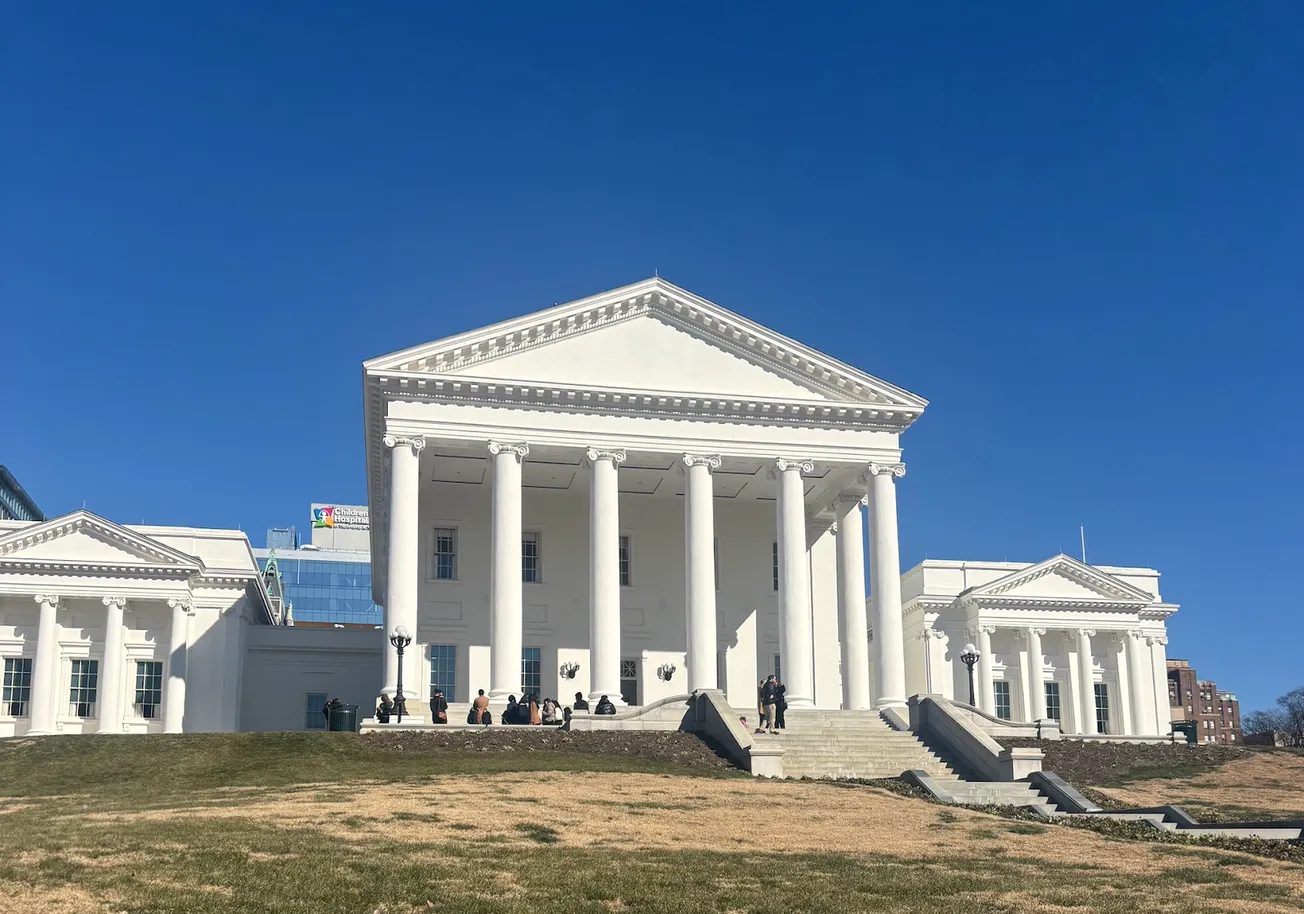
Virginia legislators discussed options Tuesday for funding of public school renovations and maintenance projects.
HB 334 would allow all counties and cities in Virginia to impose an additional local sales and use tax of up to 1%, with the revenue to be used exclusively for long-term investments in public school facilities.
The bill, patroned by Del. Sam Rasoul, D-Roanoke, cleared House Finance Subcommittee 2 in an 8-2 vote.
Currently, only a handful of regions are permitted to impose a similar tax. This proposal would extend that authority statewide, leaving the decision to local voters through a referendum.
This bill previously advanced through the General Assembly, with bipartisan support and a two-thirds majority for two consecutive years.
“It didn’t quite make it to the finish line,” Rasoul said in his address to the committee.
During the meeting, 18 in-person attendees and one online attendee expressed support for the bill, demonstrating broad public advocacy for expanding local funding options for school facilities.
Of those in attendance was Matthew Stanley, a representative of the City of Richmond School Board, who emphasized the scope of facility needs within the division.
Stanley told lawmakers that school systems across Virginia face an estimated $25 billion to $26 billion in school construction needs, a figure he said does not account for an additional $43 million in maintenance needs. Rasoul also noted that the figure is dated and has grown.
He emphasized the wear of Richmond facilities. “Here in RPS we specifically have some very old historic buildings – 15 of our 50 buildings are now over 100 years old, the average age of our building is 63 years old, 36 of our 50 buildings were built over 50 years ago,” Stanley said.
The district has struggled to build school buildings in recent decades, he said.
Following public remarks to Rasoul and the committee, Del. Tom Garrett, R-Buckingham, questioned Rasoul.
“If a citizen, say, from Cumberland County did all their shopping… in Henrico, then Cumberland County would essentially be paying taxes to build schools in Henrico,” Garrett said.
Rasoul confirmed Garrett’s question but said people would have the freedom to choose which county they go to for groceries.
In his closing remarks to the subcommittee, Rasoul said the proposal is not intended to serve as a stand-alone solution to school construction funding.
“This is one small tool in the toolbox,” Rasoul said. “What we’re trying to do is achieve some parity and at least have one tool as we move forward.”