Va. state senator seeks to keep future data centers away from residential areas
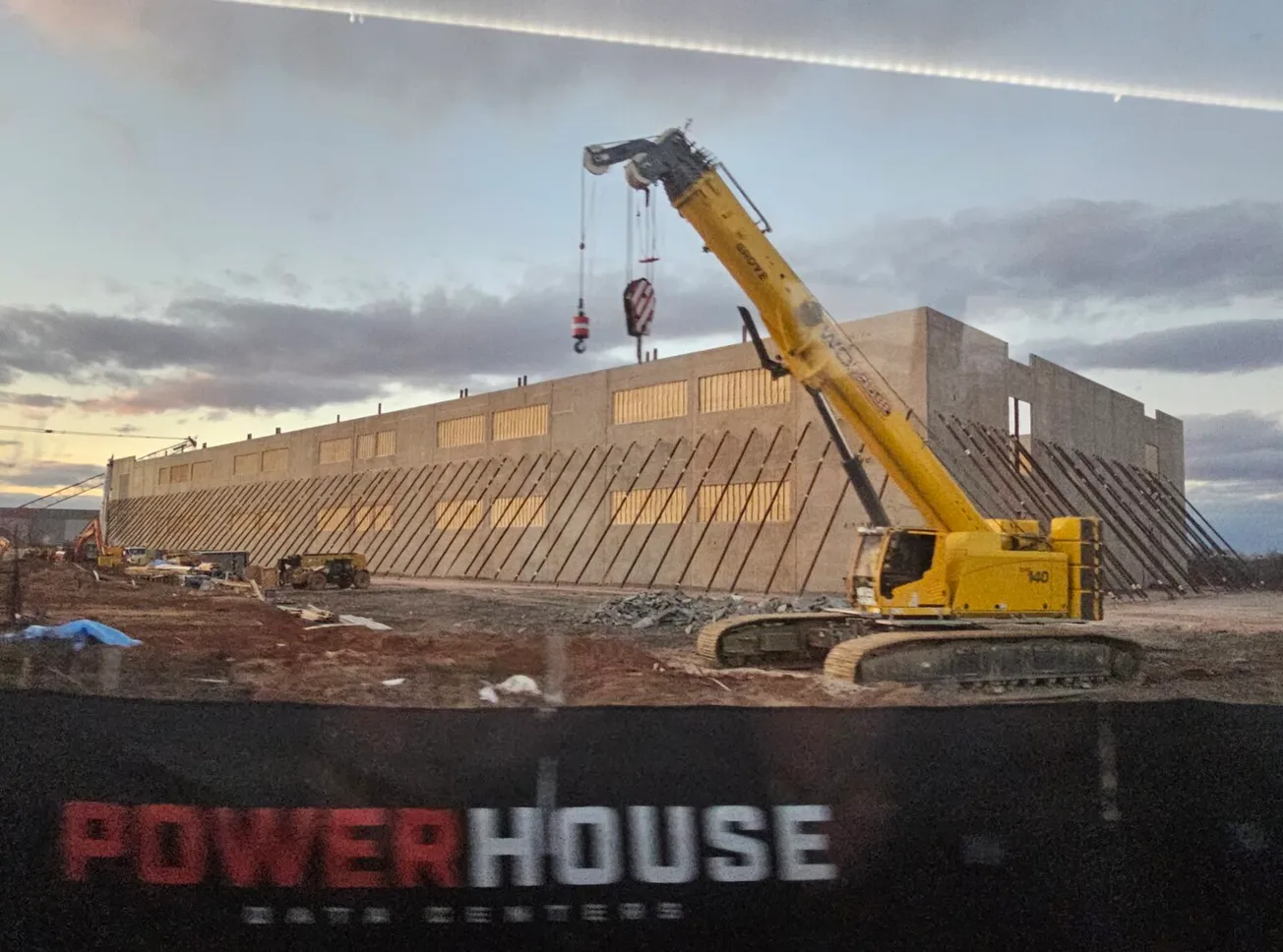
Legislation is advancing through the General Assembly to restrict future data centers to industrially zoned areas.
Several of the bills are aimed at helping localities manage the industry as well as temper community concerns over environmental impacts, sound, and viewshed issues around data centers. One bill looks to place data centers near manufacturers and warehouses – far away from commercial and residential communities.
“What we’re trying to have happen is have localities acknowledge that data centers, especially in the modern day, are not the way that they were just 10 years ago,” Sen. Danica Roem, D-Manassas, said in a local government committee meeting. “But the modern data centers today that are being built up, especially for AI, are industrial use and they need to be classified as such.”
Roem is the sponsor of Senate Bill 94, which has faced pushback from the data center industry and electrical workers unions. The bill does not stop communities from rezoning areas to be industrial in order to make more space for data centers. Localities often require setbacks and buffers when an industrial zone borders a residential area.
Roem’s district, which includes parts of Prince William County, is home to over 60 data centers. A recent move to rezone agricultural areas near Manassas National Battlefield for the controversial Digital Gateway data center project is caught up in a court battle.
The 2024 Joint Legislative Audit and Review Commission report on data centers stated that the state should allow localities to manage their own ordinances and siting for the industry. But Roem said that since the report’s release localities have been slow to pass ordinances, and community concern around where data centers are allowed has increased. She said the price of land in her district is skyrocketing due to the data center industry and the energy needed to be built to power them.
“You basically have data centers outbidding residential developers in much of Northern Virginia … It has localities looking at, will we be able to actually approve residential rezoning for future projects? Will we be able to use the grid, be able to handle that capacity,” said Andrew Clark, vice president of government affairs for the Home Builders Association of Virginia.
The Home Builders Association did not take a stance on the bill, but did answer a question to the committee posed by Roem.
The data center industry is not a fan of the bill. Nicole Riley with the Data Center Coalition testified against the bill, saying it unfairly targets one industry over other large projects. She pointed to Senate Bill 130 by Sen. Adam Ebbin, D-Alexandria, that allows localities to require environmental and sound impact studies to be done before approving permits for data centers.
“We believe this is the best approach to address the need for localities to have more tools when approving permits related to projects for high energy use facilities,” Riley said in committee.
The bill was referred to Senate Finance for further consideration with a vote of 8-5 with one abstention.
Votes
YEAS: Jeremy McPike (D-Prince William), David Suetterlein (R-Roanoke), Glenn Sturtevant (R-Chesterfield), Schulyer VanValkenburg (D-Henrico), Danica Roem (D-Manassas), Stella Pekarsky (D-Fairfax), Kannan Srinivasan (D-Loudoun), Jennifer Boysko (D-Fairfax)
NAYS:Bill Stanley (R-Franklin), Travis Hackworth (R-Tazewell), Angelia Williams Graves (D-Norfolk), Danny Diggs (R-York), Luther Cifers (R-Prince Edward)
ABSTENTIONS: Aird
Virginia Mercury is part of States Newsroom, a nonprofit news network supported by grants and a coalition of donors as a 501c(3) public charity. Virginia Mercury maintains editorial independence. Contact Editor Samantha Willis for questions: info@virginiamercury.com.