Judge blocks Virginia redistricting amendment, sparks appeals battle
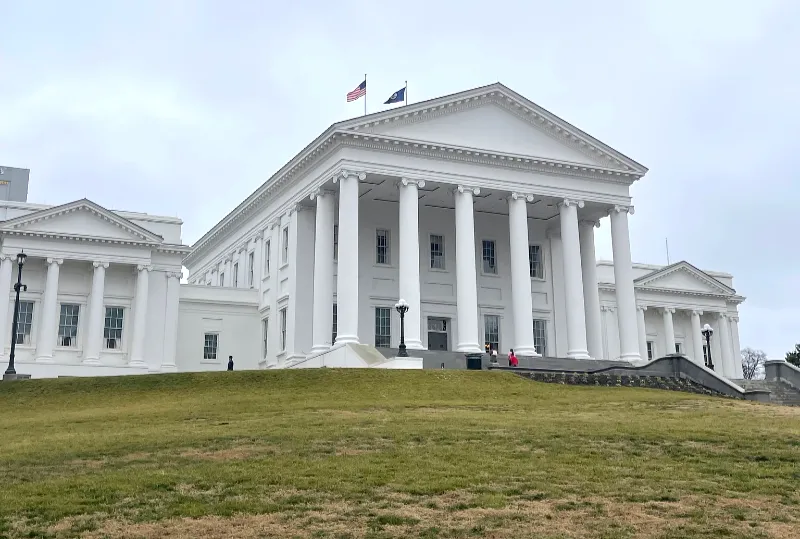
Lawyers for House Speaker Don Scott are asking the state Court of Appeals to intervene after a Tazewell County judge blocked the Virginia General Assembly’s effort to change how congressional districts are drawn.
In an emergency motion filed on Jan. 28, Democratic attorneys asked the appeals court to stay the ruling of Circuit Judge Jack S. Hurley Jr., arguing that the judge improperly interfered with the legislature’s constitutional authority. The filing seeks to suspend the decision so that lawmakers can continue the effort to place a redistricting amendment before voters.
The dispute stems from a lawsuit filed by Republican legislators last fall which argued that Democrats violated state law when they advanced the proposed constitutional amendment during the General Assembly’s special session. Democrats, who currently control both chambers, want the amendment placed on the ballot for an April 21 special election. If approved, it would allow the legislature to redraw Virginia’s congressional districts ahead of the 2026 midterm elections.
Republicans argued that the General Assembly exceeded its authority by expanding the scope of the special session, which had been called by then-Gov. Glenn Youngkin primarily for budget matters. They also contended that lawmakers failed to comply with several procedural and constitutional requirements governing how amendments to the constitution must be adopted.
In a Jan. 27 ruling, Hurley found that lawmakers improperly altered the rules of the special session and failed to meet constitutional and statutory requirements tied to amending the constitution. In his order, Hurley concluded that the actions taken by the legislature were invalid and void, effectively blocking the amendment from moving forward.
Among the deficiencies cited by Hurley were failures to properly publish the proposed amendment at least three months before an election, as required by state law, and to ensure that an intervening election occurred between the amendment’s first and second passage.
He also ruled that because early voting for the 2025 Virginia House of Delegates elections had already begun when lawmakers first approved the amendment, that election could not count as the required intervening election. Hurley wrote that treating the election as occurring only on Election Day would disregard the votes of Virginians who cast their ballots early, a result he said the court could not accept.
“This ruling was a well thought-out, supported ruling that touched all the bases,” said Sen. Bill Stanley, R-Wythe County, in an interview. “It sets out, succinctly and adroitly, everything that the Democrats have done wrong in terms of trying to run through this redistricting amendment to our Constitution.”
Stanley was one of the legislators that filed the original lawsuit against the Democrats last fall.
In their appeal, Scott’s attorneys argued that the ruling violates separation-of-powers principles by allowing the judiciary to intervene in the General Assembly’s internal rules and amendment process. The emergency motion says that courts are barred from interfering with the legislature while a constitutional amendment is still under consideration and warns the decision could set a precedent for judicial overreach.
Democratic lawmakers say the ruling could prevent voters from weighing in on a significant change to Virginia’s redistricting process. Scott, D-Portsmouth, said in a public statement that the General Assembly intends to continue pursuing the amendment and that the court’s decision would not deter lawmakers from putting the question before voters.
“We knew that the Democrats would appeal a favorable ruling, just as we would appeal a ruling that wasn’t favorable,” Stanley said. “It’s their right to do so as a part of the process, just as much as it’s our right to bring this action in the first place.”
The Court of Appeal’s decision on whether to stay Hurley’s order will determine whether the amendment can remain on track for an April vote or be delayed until after further legislative elections.