
Spanberger signs rideshare safety bills tightening driver-checks, in-app protections
New laws require stronger identity verification, expanded background screenings and optional audio, video recording during rides
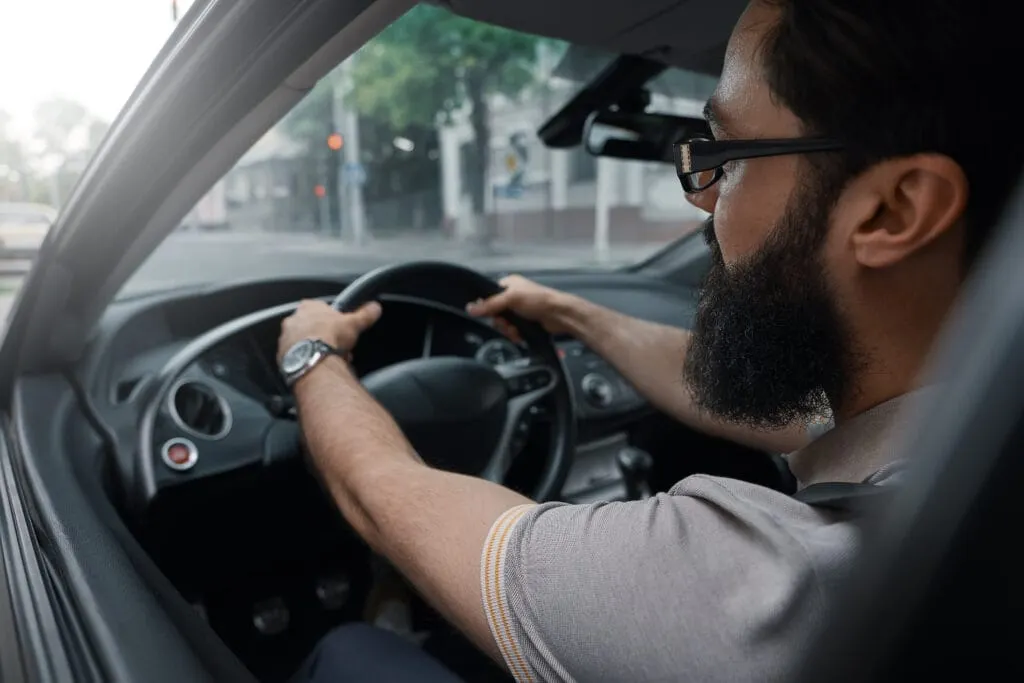
Gov. Abigail Spanberger has signed legislation aimed at tightening safety standards for rideshare services in Virginia, accelerating new requirements for driver vetting, identity verification and in-ride protections.
The two measures — House Bills 1273, sponsored by Del. Jackie Glass, D-Norfolk, and HB 1469 by Del. Lily Franklin, D-Montgomery — target companies such as Uber and Lyft and the drivers who use their platforms, with advocates saying the changes close gaps in screening practices and respond to ongoing safety concerns tied to the rapidly growing industry.
Uber, which supported the legislation, praised the move and highlighted a key change pushed by the administration and lawmakers: the removal of a reenactment clause that would have delayed implementation.
“(This) is a significant victory for the thousands of Virginians who ride and earn on our platform every day,” said LáVita Gardner, a policy manager at Uber.
“By making these standards effective this July, Virginia is sending a clear message that safety cannot wait. We are proud to have worked closely with Delegate Glass and the administration to ensure these rigorous protections are deployed as quickly as possible.”
Uber’s support for the Virginia measures mark a shift from its stance in other states just last year, when the company and Lyft pushed back against some proposed safety regulations.
Glass said her proposal reflects the need for stronger safeguards as technology reshapes transportation.
“When technology changes how we move, leadership has to change how we protect people,” she said. “This bill is about making sure every rider, every driver, and every family in Virginia can trust the ride before the wheels ever turn.”
Bill sets stricter standards for drivers, platforms
HB 1273 imposes new safety and accountability requirements on transportation network companies and their drivers.
Most significantly, companies must offer the option for in-app audio and video recording during rides and implement stronger identity verification for drivers before their accounts are activated and at regular intervals afterward. The bill also establishes new standards for background checks.
For drivers, the measure tightens eligibility rules by expanding disqualifying offenses and requiring ongoing identity verification. It also prohibits drivers from sharing accounts or login credentials — a practice that has drawn scrutiny from regulators and safety advocates.
The law creates civil penalties for companies and drivers who violate the requirements, with fines directed to the Virginia Department of Motor Vehicles to help administer enforcement.
Originally, those provisions were subject to the reenactment clause, meaning lawmakers would have needed to approve the bill again during the 2027 General Assembly session before it could take effect.
But state leaders, working with Uber and legislative sponsors, moved to remove that delay. As a result, the new identity verification and safety technology requirements are set to become law July 1, 2026.
Expanded screening rules aim to close gaps in driver vetting
A related proposal, HB 1469 complements those changes by overhauling how background checks are conducted for rideshare drivers.
The bill requires that screenings cover a driver’s full history rather than being limited to a set number of years, except where required by law. It also mandates that background checks include all addresses where a driver has lived since age 18, a provision aimed at capturing more complete criminal and driving records.
In addition, the measure updates accreditation standards for companies conducting screenings, requiring certification by the Professional Background Screen Association. Supporters say those changes will help standardize practices across the industry and reduce inconsistencies that could allow risky drivers to slip through.
Reports of sexual misconduct have numbered in the thousands annually nationwide, underscoring ongoing concerns about passenger safety as the industry has grown.
Uber flagged 2,717 of the most serious categories of sexual assault and 36 fatal physical assaults in the U.S. in 2021 and 2022, according to its latest safety report, even as overall incidents declined compared with earlier years.
Between 2020 and 2022, Lyft reported 23 fatal physical assaults of people using the platform and 2,651 instances of the five most serious categories of sexual assault, according to its 2024 Safety Transparency Report.
While incidents of sexual assault had decreased 21% since the last report, which covered 2017-2019, fatal physical assaults jumped by 185%.
Uber officials said the two Virginia measures work together to strengthen safety across the platform.
“We believe that meaningful and comprehensive background checks are crucial to our mission to keep riders and drivers safe,” Gardner said. “By establishing a uniform standard, this bill enhances safety across the entire industry, protecting users regardless of which platform they choose.”
States push tougher rules as companies resist some proposals
Virginia’s actions come as states across the country revisit how to regulate rideshare companies, balancing innovation with public safety.
In Colorado, lawmakers have repeatedly pushed legislation to require more frequent criminal background checks and mandatory reviews of drivers following complaints and new restrictions on driver conduct.
Uber and Lyft opposed the proposal at the time, arguing the requirements were too burdensome and could disrupt service, and even urged a veto of the bill.
California, one of the most heavily regulated rideshare markets, has adopted a broad set of safety requirements, including mandated vehicle safety features and stricter standards aimed at protecting passengers during trips.
Lawmakers there have also explored measures to bar drivers with certain violent criminal histories and to strengthen reporting requirements around sexual assault incidents.
Elsewhere, states have paired safety rules with financial protections. Colorado and New Jersey, for example, require high levels of commercial liability and uninsured motorist coverage while a passenger is in the vehicle, often exceeding requirements for personal vehicles.
A growing number of proposals nationwide also focus directly on rider safety tools, including requirements for companies to offer in-app emergency features, audio or video recording options that will now become law in Virginia, and improved incident reporting systems.
Uber, in its statement, said the legislation signed by Spanberger “solidified” Virginia’s position as a national leader in transportation safety policy and thanked Spanberger and lawmakers for advancing the measures.
Virginia Mercury is part of States Newsroom, a nonprofit news network supported by grants and a coalition of donors as a 501c(3) public charity. Virginia Mercury maintains editorial independence. Contact Editor Samantha Willis for questions: info@virginiamercury.com.