
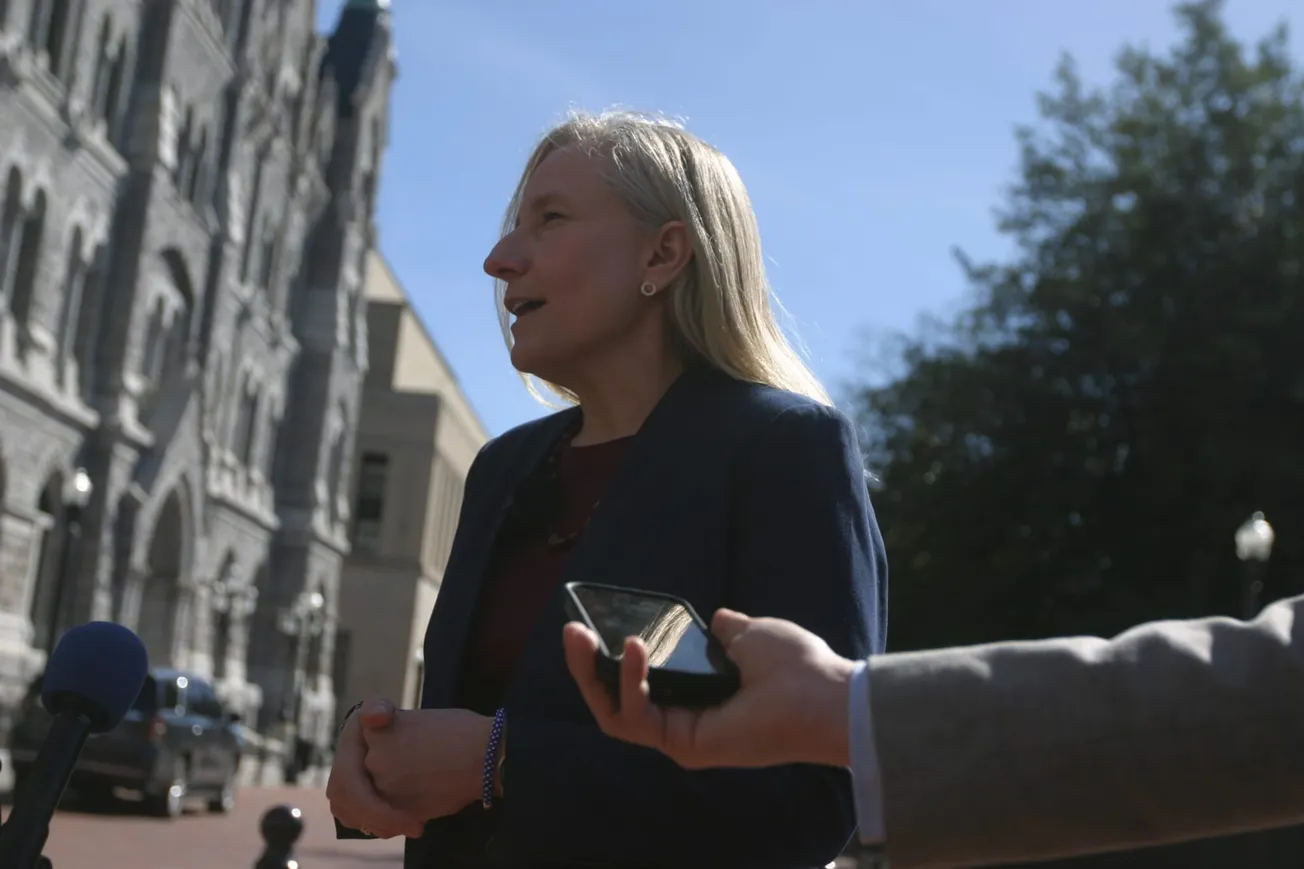
Spanberger joins other governors in push for PJM to prioritize ratepayer protections

This article is free for registered Henrico Citizen readers
Create a free account to continue readingAlready have an account? Sign In
Already have an account? Sign In

Henrico County is planning a $4.5 million project to improve pedestrian and bicycle safety along the western portion of Staples Mill Road, with work expected to begin in 2027. The project would add new sidewalks, curb ramps, crosswalks and lighting across nine intersections along the corridor, which runs past
Click here to read more
More than three years after Henrico County settled a lawsuit over sewage overflows into the James River, the county’s water reclamation facility is in the middle of its biggest overhaul in decades. In December 2021, two environmental groups sued the county, accusing its wastewater treatment plant of dumping more
Click here to read more
Virginians may now preview 2027 health plans through Virginia’s Insurance Marketplace before open enrollment begins Nov. 1. The enrollment period will run through Jan. 29, 2027. This is the only time Virginians can enroll in a Marketplace plan or switch plans. After the open enrollment period, only consumers experiencing
Click here to read more
Henrico officials Tuesday afternoon joined a group of partners from state and federal organizations to commemorate the 162nd anniversary of the Battle of New Market Heights by celebrating the planned construction of the 3.2-mile New Market Heights Trail. The trail, whose planning began three years ago, will stretch
Click here to read more