Slate of new Virginia laws address health care and housing affordability
Building on campaign promises by the governor and Democratic lawmakers, health care and housing affordability bills dominated the 2026 legislative session
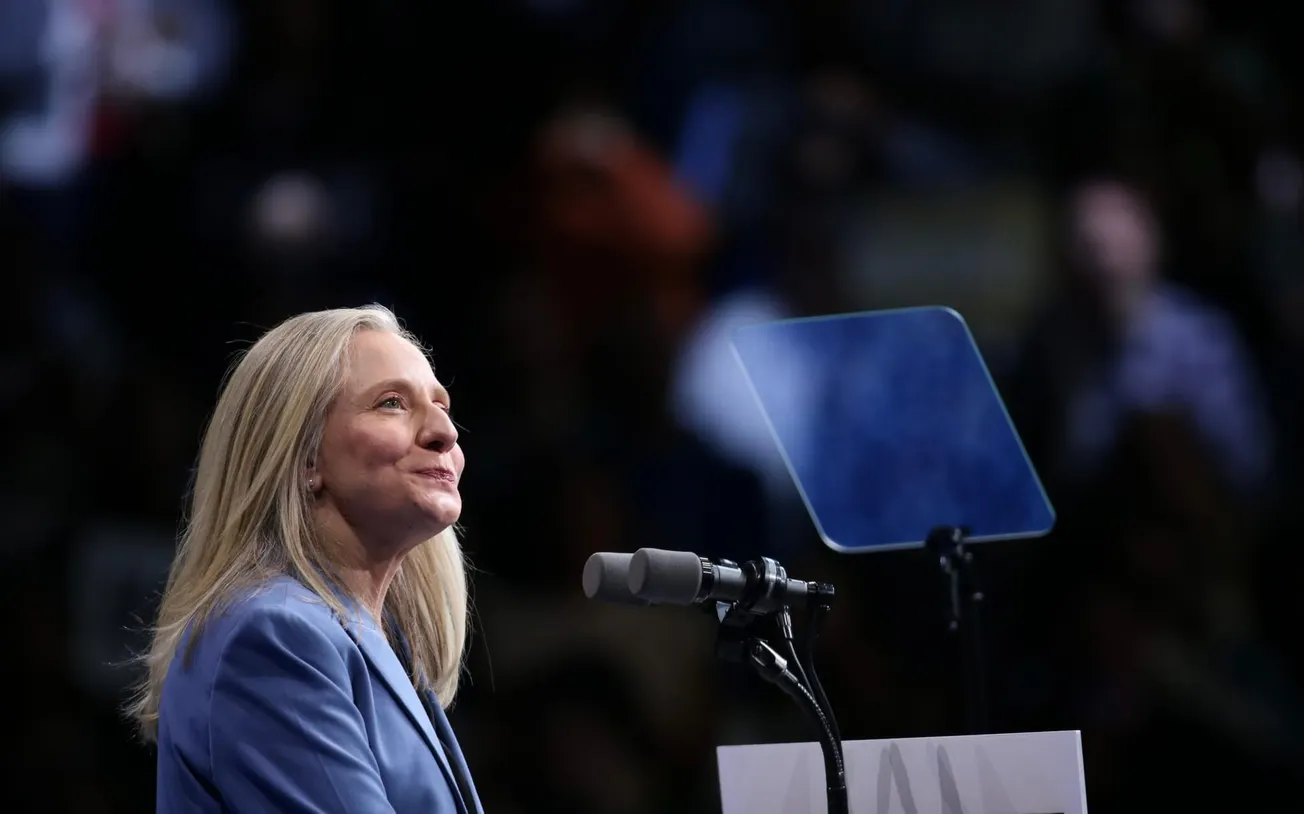
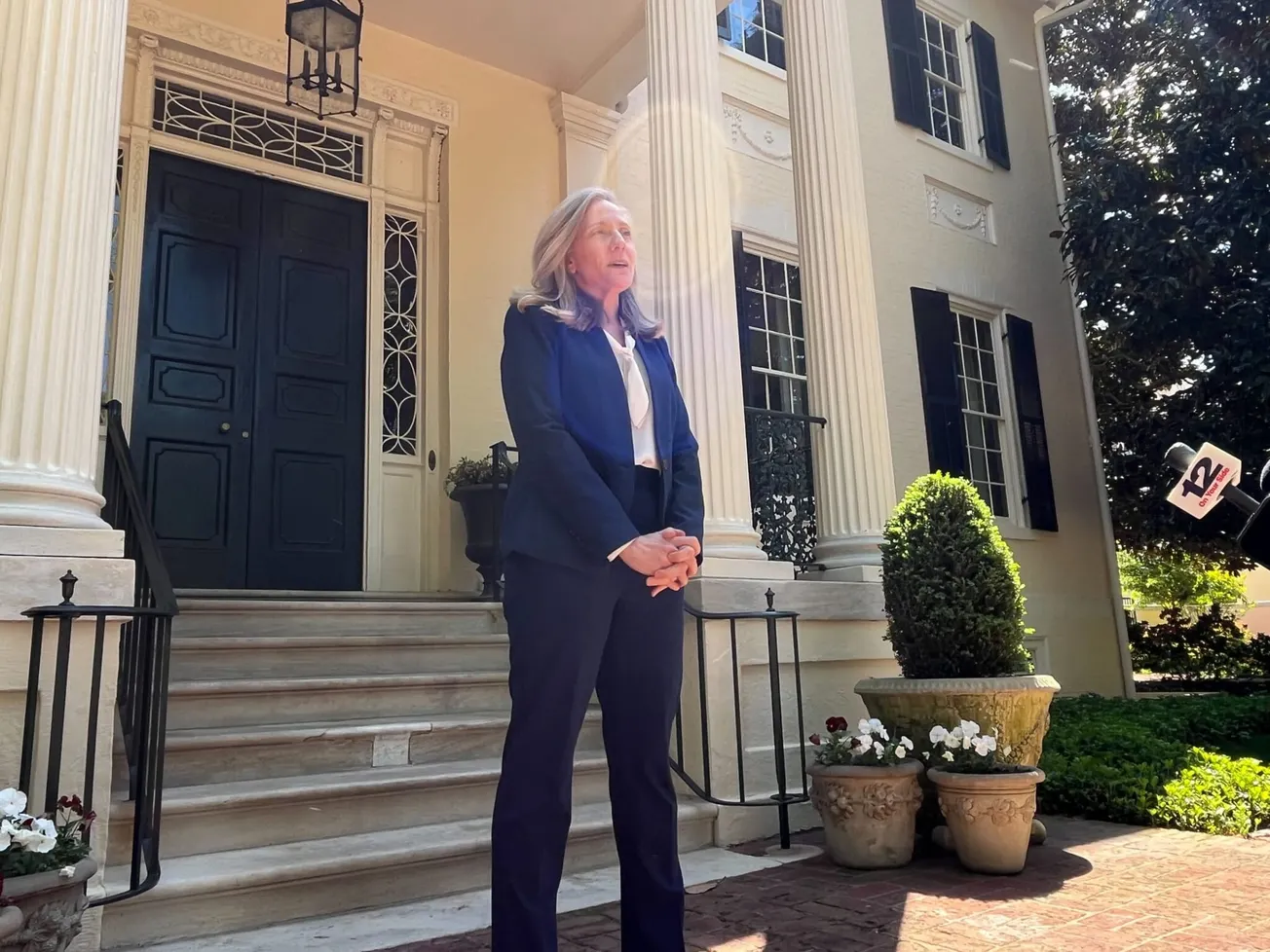
Addressing health care and housing affordability were prominent pillars of Gov. Abigail Spanberger’s successful campaign and Virginia Democrats’ legislative agenda this year. Cost-conscious proposals saturated the 2026 legislative session and many have become law.
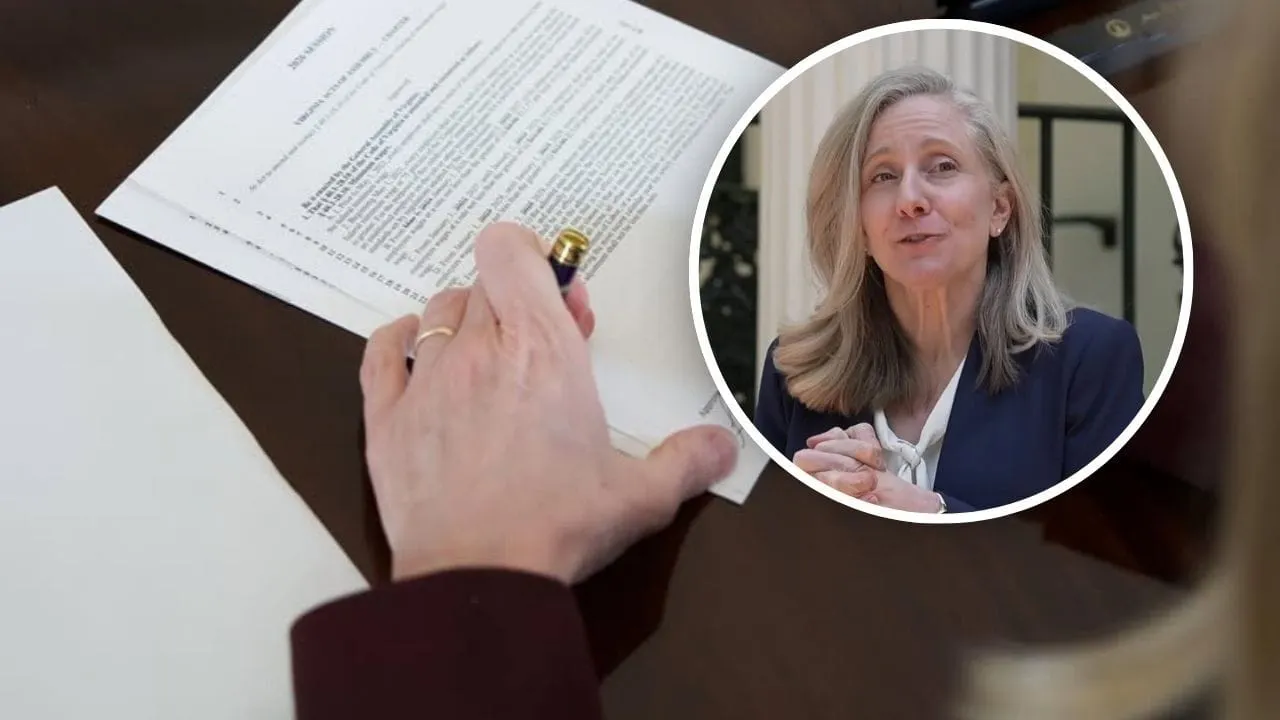
Lawmakers will finalize a state budget later this month to fund these priorities and dozens of others Spanberger signed into law this week.
Right to contraception and health care affordability laws signed

House Bill 6 by Del. Cia Price, D-Newport News, and Senate Bill 596 by Sen. Jennifer Carroll Foy, D- Prince William, establishes a right to contraception. Both women have emphasized that it can allow the state to fortify the right to obtain or prescribe birth control, even if federal protections fall.
The legislation has cleared the legislature three years in a row but faced vetoes by former Gov. Glenn Youngkin. Lieutenant Gov. Ghazala Hashmi, when still a state senator, had been Price’s ally in carrying the Senate version of the bill before Carroll Foy stepped in again as key patron this year to help usher it to the finish line.
“Millions use contraception treatments for serious medical concerns, health reasons, and birth control,” Hashmi said in a statement. “Every Virginian should be able to determine their own medical options without the interference of politicians.”
Though Virginia Republicans have not always been on board with the bill, the proposal made its way to Spanberger this year with bipartisan support.
HB 736 By Del. Michelle Maldonado, D- Prince William, which passed unanimously, can prevent health care access delays by limiting prior authorizations.
HB 424 by Del. Destiny Levere Bolling, D- Henrico and SB 745 by Sen. Kannan Srinivasan, D-Loudoun, won’t allow health insurers to bar in-network providers from referring patients to in-network clinical laboratories or pathology service providers.
Health care policy was a key driver of Srinivasan’s interest in public service, he has said. His work with Levere Bolling on this bill also passed unanimously.
Levere Bolling’s HB 425 expands telemedicine access for people with high-risk pregnancies or those 35 years of age or older who are on Medicaid.
Also addressing maternal and infant health, HB 456 by Del. Rodney Willett, D- Henrico and SB 291 by Sen. Lashrecse Aird, D-Henrico, increases the quality of care for sick babies by directing the state’s Board of Health to establish standards of neonatal care. The measure passed unanimously.
Efforts to increase housing supply, new rental protections

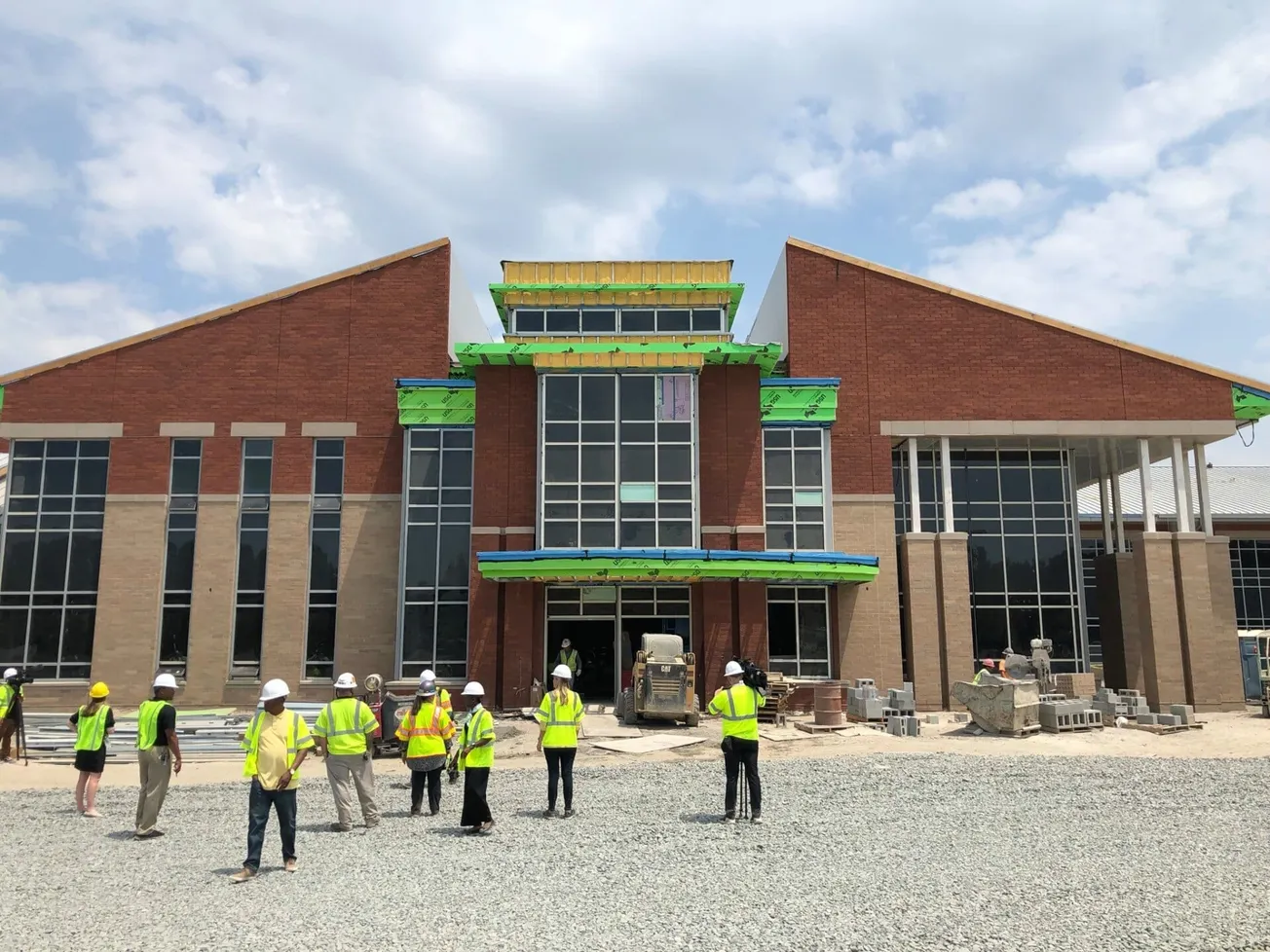
Amid a noted housing shortage and the growing lack of affordability of rental and mortgage rates, Spanberger has also signed several housing bills this week.
HB 867 by Del. Rae Cousins, D-Richmond, and SB 74 by Sen. Jeremy McPike, D-Prince William, gives every locality in Virginia the option to adopt a local affordable housing program if they wish to.
HB 4 by Delegate-turned-Senator Elizabeth Bennett-Parker will empower localities to preserve long-term affordability of existing housing stock by granting them first right of refusal when dwellings like public housing units come up for sale.
HB 352 by Del. Josh Thomas, D-Prince William, will give localities tools to incentivise construction of affordable housing through performance-based grant programs.
HB 594 by Del. Shelly Simonds, D-Newport News, will help localities streamline approval processes. This can help developers deliver on affordable housing goals sooner and prevent proposals’ failure due to prolonged approval processes.
HB 806 by Del. Betsy Carr, D-Richmond, enables industrial development authorities to help finance affordable housing.
HB 164 by Thomas and SB 328 by Sen. Russet Perry, D-Loudoun, lift caps on homeownership grants to help support local government workers’ ability to live in the communities they serve.
A renter protection law also materialized, after previously facing a veto by former Gov. Glenn Youngkin. HB 15 by Price and SB 48 by Sen. Aaron Rouse, D-Virginia Beach, extends the late rental payment grace period from five to 14 days.
The extra time gives renters a chance to pay once they get their next paycheck or seek help from family and friends rather than facing eviction proceedings sooner, the lawmakers said.
While these new laws address Virginia’s housing needs specifically, they speak to a national problem.
“Half of the inflation rate is housing,” National Association of Home Builders president Jim Tobin said Wednesday in Richmond while delivering a keynote speech at a Virginia Home Builders Association event. “We have to build more housing — plain and simple.”
He reflected on the growing urgency for state legislatures and federal lawmakers attempting to tackle housing supply and affordability issues and commended Virginia for seeking solutions.
Spanberger thanked her legislative colleagues for their work.
“I am deeply grateful to the lawmakers who focused relentlessly during this legislative session on contending with high costs facing families,” she said in a release.
Virginia Mercury is part of States Newsroom, a nonprofit news network supported by grants and a coalition of donors as a 501c(3) public charity. Virginia Mercury maintains editorial independence. Contact Editor Samantha Willis for questions: info@virginiamercury.com.