Skip to content

'Ricky,' film about life after release from prison, highlights challenges of reentry
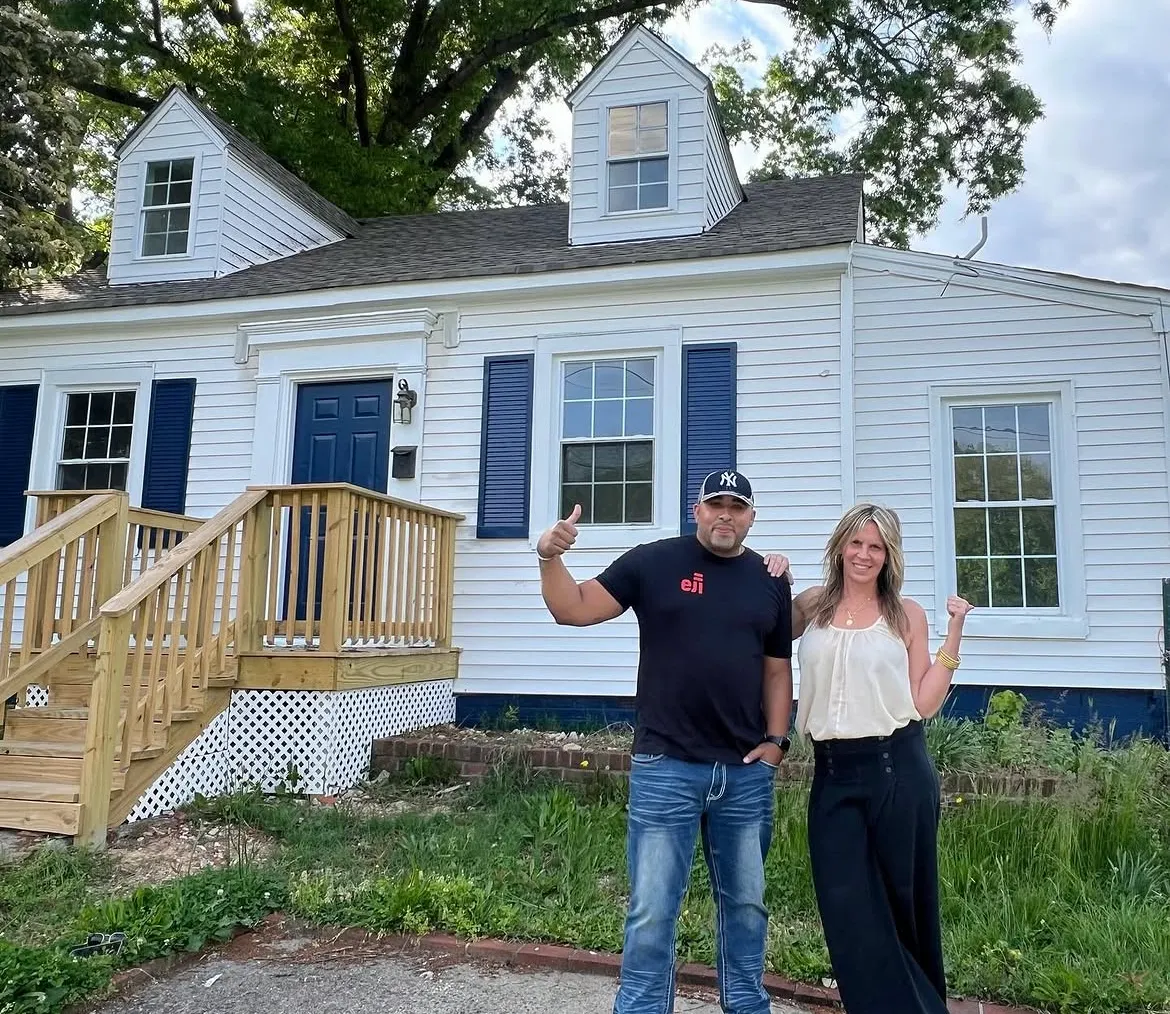
Anthony Gomez (left) and Andrea Edmunds (right) posed in front of one of the transitional homes they run in Highland Springs through the PATH Reentry program, which assist people reentering the community after incarceration. (Courtesy PATH Reentry Instagram)

The realities of life after long-term incarceration and the complexities of gaining independence for the first time as an adult are the focus of the film RICKY screening June 25 at the Henrico Theatre.

After watching the dramatic depiction of a man navigating the challenges and triumphs of life after long-term incarceration, and the complexity of gaining independence for the first time as an adult, audience members are invited to hear directly from people who have experienced those challenges firsthand, along with experts in the field of law and corrections.

The Q & A following the film is meant to spur questions and encourage discussion about reentry, second chances and the barriers facing formerly incarcerated people.

RICKY is presented by the PATH Reentry nonprofit, whose thrift shop and moving company is located down the street from the Highland Springs cinema, at 6 East Nine Mile Road.

PATH ReEntry is a 90-day program that provides housing for people newly released from prisons and jails without anywhere else to go. The staff help participants find work, address health issues and facilitate doctors’ appointments. They work with clients on interpersonal skills and work etiquette.

“Those with long-term confinement, they're the ones who face the more severe challenges when they're given a second chance. They come into a whole new world, technology wise, job wise, relationship wise. And it becomes very difficult for them to adapt,” said Anthony Gomez, PATH Reentry co-founder.

Gomez cited a statistic that 80% of the people incarcerated in the Virginia Department of Corrections facilities are coming home from sentences ranging from one to five years, and all the way up to 30 or 40 years.

He brings first-hand experience as someone who re-entered life after a very lengthy incarceration that started in his teens.

He started PATH Reentry with Andrea Edmonds, who he met in 1997 when he was sentenced in 1997 for murder. Edmonds was a parole officer who wrote his pre-sentence report for the New York City-born of Puerto Rican descent who came to Virginia at 17 to escape crime.

The judge in his case sentenced him to life without parole.

He and Edmonds kept in touch through the decades as Gomez worked in prison law libraries, led prison church groups and took advantage of educational opportunities while locked up.

Twenty years into his sentence, legal battles were waged in courts across Virginia about whether inmates serving life-without-parole sentences for crimes they committed as juveniles deserved a chance for released, in light of U.S. Supreme Court rulings.

The high court in 2012 barred states from imposing mandatory life-without-parole sentences on anyone under 18 convicted of murder. In January 2016, the justices made that ruling retroactive, saying the more than 2,000 offenders already serving such sentences must be given the chance "to show their crime did not reflect irreparable corruption'' and, if it did not, they should have some hope for freedom, NBC reported

'I don't take things personally'

As the legal community reviewed life sentencing for minors, with the outlook that it was unconstitutionally harsh, Gomez was granted parole on July 28, 2020 by former Virginia Governor Ralph Northam.

“In many ways I still feel like that 17-year-old kid, because I don't take much seriously, meaning I don't take things personally,” Gomez said about his outlook when he was released. “I like to keep a sense of humor about things. Relationships were always a struggle for me because I felt like I was taken from the ‘90s and put here today. I came home at 41, but I picked up some thinking from when I went in. It was difficult to connect.”

Women his age already had lives and children.

“I was approaching relationships as if I was an 18, 19, 20-year-old. I'm starting life. And so I never clicked. The girls that age were looking for someone their age. And so that was very weird for me,” said Gomez who had a job waiting for him with the law firm that helped him.

He now works as an analyst with Verizon.

He started PATH Reentry with Edmonds to help the many incarcerated people who contact him directly or through federal or state department of corrections for help.

“Our primary purpose is to serve men coming home from length incarcerations. What makes us different is the first thing we tell these guys is 'You're free. We are here to help you get from point A to point B,'” said Edmonds who is firm to point out that they’re not the men’s correctional officer or parole officer.

“'We are going to give you a room, a house, a stable wraparound support system. We're going to help you get a job. We're going to help you get your driver's license, your ID. We're going to hold you accountable, we're going to help you, guide you, but we're not going to baby you.' We're for the guys that want to work and want to get to the next level.”

Thousands released annually

According to the Virginia Prisoner and Juvenile Offender Re-Entry Council Report of 2010, the Commonwealth of Virginia incarcerates approximately 38,000 people in prisons and jails. Of those, more than 13,000 people are released annually.

PATH Reentry participants range in age from 27 to 70. They’ve been released after serving time from Virginia Department of Corrections facilities from around the station – from Lawrenceville Corrections Center, Haynesville Corrections Center, Deerfield Corrections Center as well as from Federal Bureau of Prisons facilities.

The Virginia Department of Prisons creates a home plan for each inmate and requires reentry programming.  Many have ankle monitors and live on strict conditions, with restrictions prohibiting them to be outside after 9 p.m. and travel or overnight stays anywhere other than in the PATH Reentry program.

Virginia Department of Corrections “Status Report on Inmate Transitional and Reentry Services” states there is a need for post-release services with assistance in acquiring food, housing, transportation, medical health, identification, and employment to facilitate an inmate’s seamless reintegration into the Commonwealth.

But Gomez and Edmonds see over and over again men released from prison who are without support for those necessities for stability and to thrive.

PATH Reentry aims to serve the men’s basic needs regarding housing, health and transportation while they navigate freedom. There are many challenges.

“Rent is not affordable for these guys to be on their own. So a program like ours is a lifeline for them,” said Gomez.

Edmunds seeks funds to support the housing so they can serve more people leading to their successful integration.

“Some guys are coming out and getting some jobs, but they don't have the credit to get them a place,” Edmunds said.

Landlords are reluctant to rent to people that are coming out of prison with no credit and a felony on their record.

The challenge of fear

Transportation also poses a challenge.

“Some of the challenge our guys face is fear,” said Gomez. “I've heard some of them express fear being behind the wheel. Once you’re behind the wheel, you have some responsibility for your safety and the public safety. And some of these guys have seen crashes, they seen folks fall from motorcycles. And so, they have a healthy fear of being on the road themselves. Some guys are excited about it, they can't wait. The ones who are not excited about it, the only source of transportation becomes what we can help with and the public transportation.”

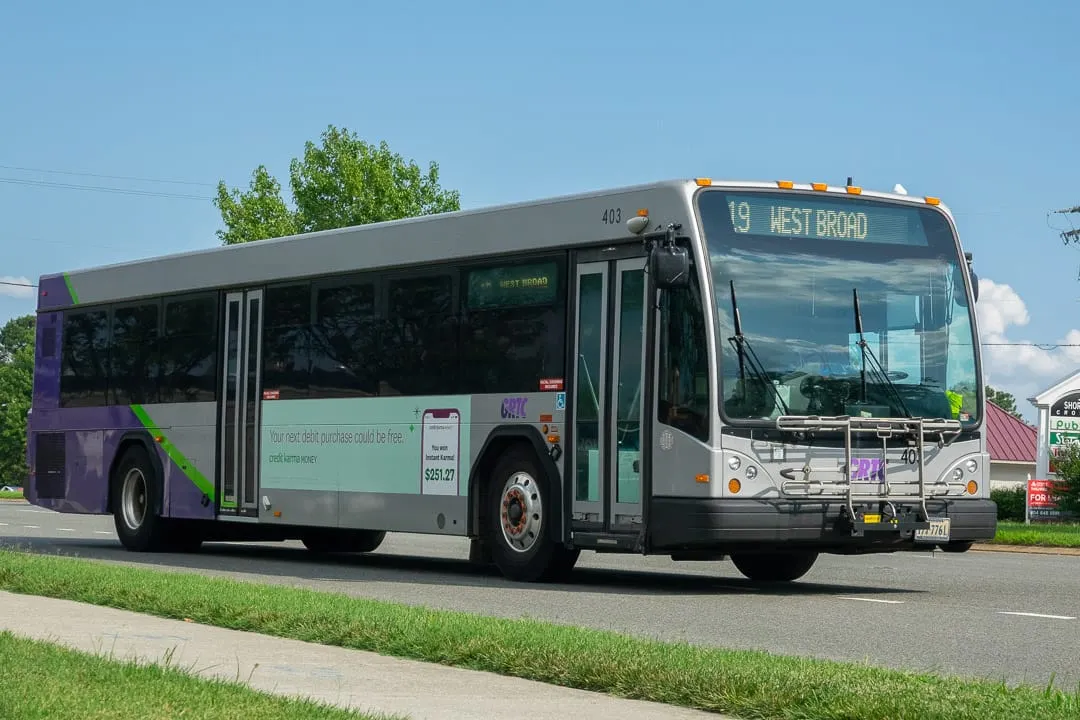
The public buses are slow and infrequent, and Ubers get to be expensive, limiting job opportunities.

“These guys rely on public transportation and that's all they can rely on consistently. That excludes them from the market in the western part of the county or any other part surrounding areas. We know there's great job opportunities for them on the other side of town. There are more restaurants, more store businesses that can hire folks. And a lot of 'em do get hired only for them to say they can't take the job, because they just can't get over there,” Gomez said.

Factors that impact PATH Reentry participants' health include the availability and resulting harm of vaping products.

Most address their nutritional needs by relying on food pantries for food as well as nearby supermarkets. Residents of one of the PATH Reentry homes plan to create a garden.

Gomez and Edmunds say those released from incarceration who do not have supports are often moved to desperate acts that lead them back in jail, often simply for shelter and three meals a day.

“I want people to know that these guys are just like you and me. That made one horrible, bad choice in their life, and the thought of him never being out here free again, I can't even imagine it. It’s important to put a face to these guys because, more and more people that I know in my church or in my community have a family member that has gone to prison or has gotten in trouble,” Edmunds said.

“Eighty percent of people in prison are going to come home. They're going to come out in community. We're either going to ignore them and they're going to be on the street homeless and they're going to [commit more crimes], or we're going wrap around them and support them.” 

RICKY, screens Thursday, June 25, 2026. Doors open at 5:30 p.m. and the film begins at 6 p.m. at the Henrico Theatre, 305 East Nine Mile Road, Highland Springs 23075. Click here for tickets.


Dina Weinstein is the Citizen’s community vitality reporter and a Report for America corps member, covering housing, health and transportation. Support her work and articles like this one by making a contribution to the Citizen.

Comments