
Public Safety — Community — radon — Richmond and Henrico Health Districts — Virginia Department of Health
Richmond and Henrico Health Districts officials encourage radon testing

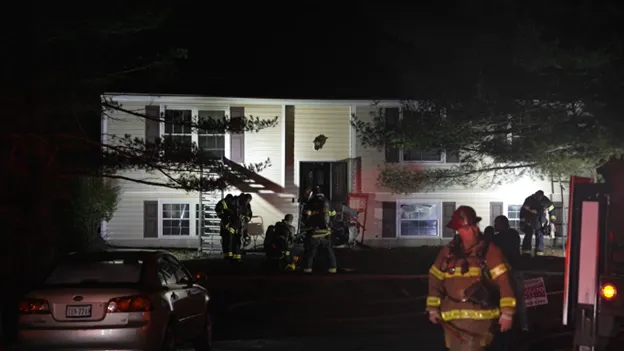
A family of five has been displaced after a fire heavily damaged their home and destroyed a car on Cloverfield Court on Saturday. No one was injured. Click here to continue reading on WTVR.com, a Henrico Citizen partner organization.
Click here to read more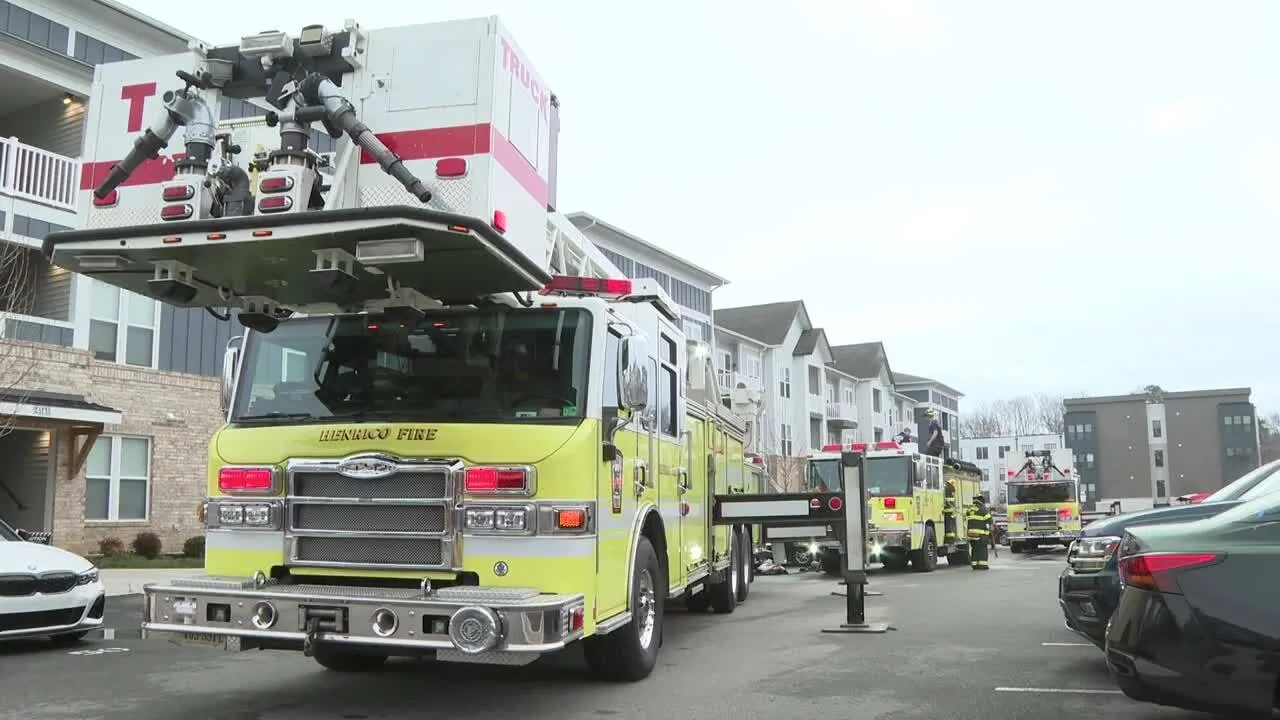
A family was displaced after a fire broke out in a bedroom at a Henrico County apartment complex Friday morning. Firefighters responded to the 2200 block of Park Trail Lane, just off Mechanicsville Turnpike near the Henrico-Hanover County line, just after 8 a.m. The fire was contained to one
Click here to read more
Kedehja Pryor said she and her sister were dropping off their cousin in the area of Azrock Court in Henrico early Saturday morning when two people in another car began shooting at them. "When the gunshots wouldn't stop, I knew that I wouldn't make it
Click here to read more
Police say they have identified a "person of interest" after the report of an armed person in the area prompted a lockdown at Hermitage High School on Thursday. The lockdown began around dismissal, according to an HCPS spokesperson. Further details were not immediately available. Click here to continue
Click here to read more