Skip to content

Proposed change to federal endangered species rules could impact Virginia animals

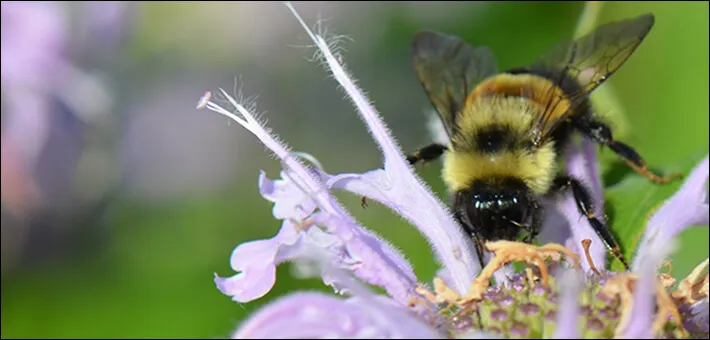
The endangered rusty patched bumblebee. (Photo by U.S. Fish and Wildlife Service)

Table of Contents

The Shenandoah salamander, northern long-eared bat and the rusty patch bumble bee are among the many animals on the federal endangered species list that live in Virginia and could be impacted by  proposed changes to the Endangered Species Act by the Trump administration.

Last week, the Department of Interior announced plans to roll back portions of the protections for plants and animals. The proposal calls for economic factors to be taken into account when determining adding species and habitats to the protective lists; previously it was a decision based solely on science.

In Virginia there are over 50 federally protected fauna species, and dozens more that are state protected.

“These proposals … will have the effect of likely meaning fewer species are listed, fewer species are getting the protections they need in their listing rules, and fewer critical habitat areas will be designated,” said Ramona McGee, the wildlife program leader for the Southern Environmental Law Center, which has two offices in Virginia, in Charlottesville and Richmond. “That all undermines the goal and purposes of the Endangered Species Act to conserve and recover threatened endangered species.”

Currently, species that are federally listed as “threatened” get the same protections as the species that have officially been deemed “endangered.” This means they cannot be killed or harmed unless species-specific alternatives are approved by the federal government. The proposal would remove those protections for threatened species.

“This administration is restoring the Endangered Species Act to its original intent, protecting species through clear, consistent and lawful standards that also respect the livelihoods of Americans who depend on our land and resources,” said Secretary of the Interior Doug Burgum. “These revisions end years of legal confusion and regulatory overreach, delivering certainty to states, tribes, landowners and businesses while ensuring conservation efforts remain grounded in sound science and common sense.”

Additionally, the proposal looks to narrow what can be considered critical habitat and would make it easier for development projects such as drilling, mining and logging to be approved.

“Someone who is wanting to build a data center or to build a pipeline will not have to consider as wide a range of impacts or effects from that action as they might otherwise have to under the existing regulations,” McGee said. 

The proposed rule changes “would significantly narrow the scope of the effects that could be considered during that consultation process, and by extension, that means it will constrain the sort of conservation measures that could be put in place,” McGee added.

Environmental groups and endangered species advocates say rolling back these rules will lead to more extinctions and make it harder to bring some species back from the brink.

“These regulations attempt to undermine implementation of one of America’s bedrock environmental laws, and they could seal the fate of animals that, without these protections, would disappear from the Earth,” said Sierra Club Executive Director Loren Blackford in a statement.

An open public comment period is underway for the proposed change, allowing people to share their opinions on the proposal. After the public comment period ends on Dec. 21, it will be up to the agency to finalize the rule.


Virginia Mercury is part of States Newsroom, a nonprofit news network supported by grants and a coalition of donors as a 501c(3) public charity. Virginia Mercury maintains editorial independence. Contact Editor Samantha Willis for questions: info@virginiamercury.com.

Comments