Prayer, fasting, charity and community define Ramadan for Muslims in Henrico
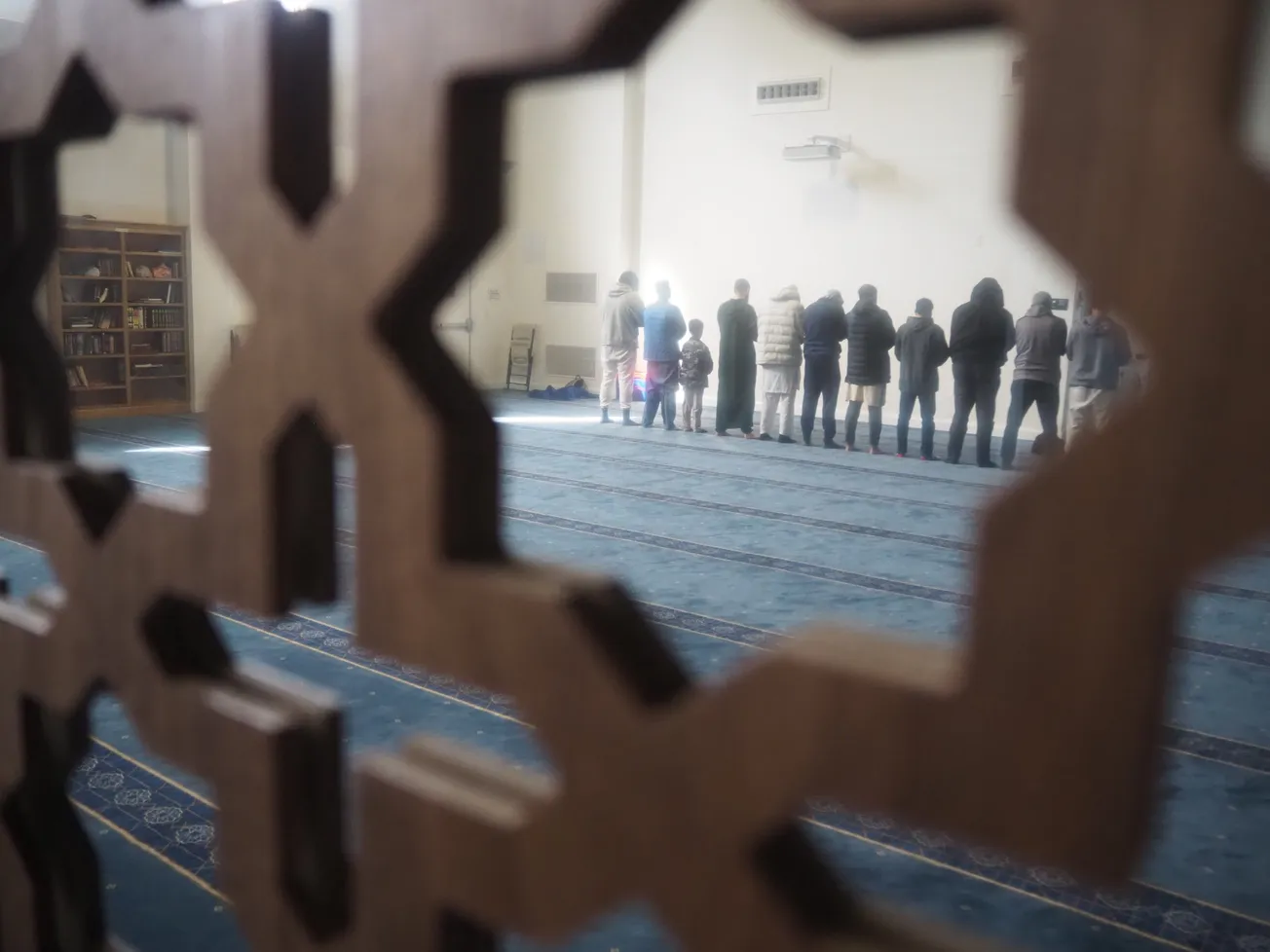
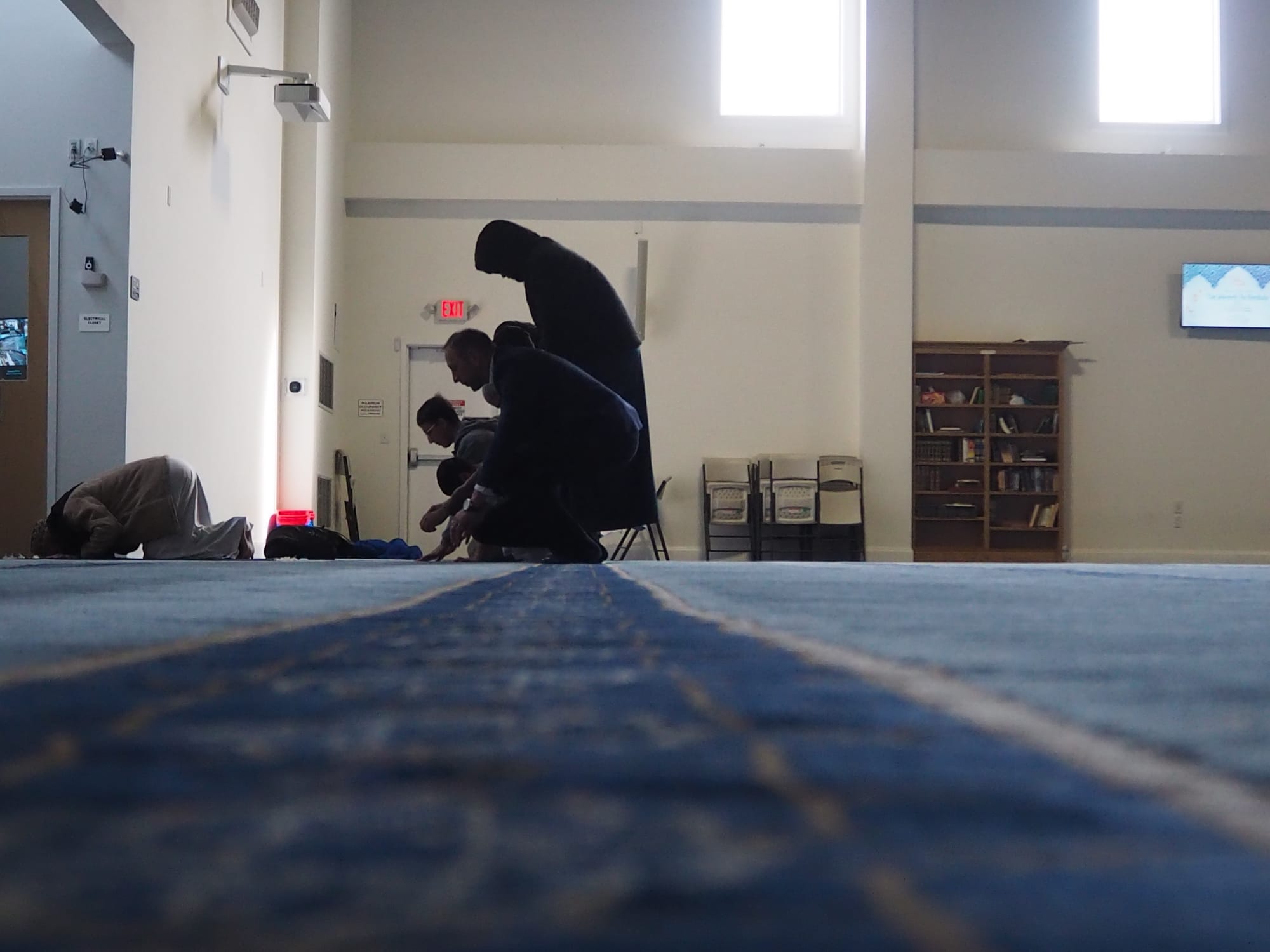
On a recent weekday afternoon at the West End Islamic Center at 5000 Shady Grove Road in Glen Allen, a young congregant voices the call to prayer, bringing about a dozen boys and men to assemble in a row at the front of the great carpeted prayer hall.
They go through the paces of the afternoon prayer together on an afternoon during the holy month of Ramadan, which for Muslims worldwide runs this year from Feb. 28 to March 19.
The holiday is marked by fasting to strengthen their spiritual connection with God. Ramadan also commemorates the revelation of the Quran to the Prophet Muhammad.
“It's a time for Muslims to come together and get closer to the Quran, both in reading and in prayer, to have a close relationship to that and live the Quran,” said WEIC Imam and resident scholar Abdur Rahman Mostafa. “The Prophet Muhammed was the Quran in action, his speaking truth, giving and charity prayer, kindness to neighbors, all of that is part of what it means to be a Muslim.”
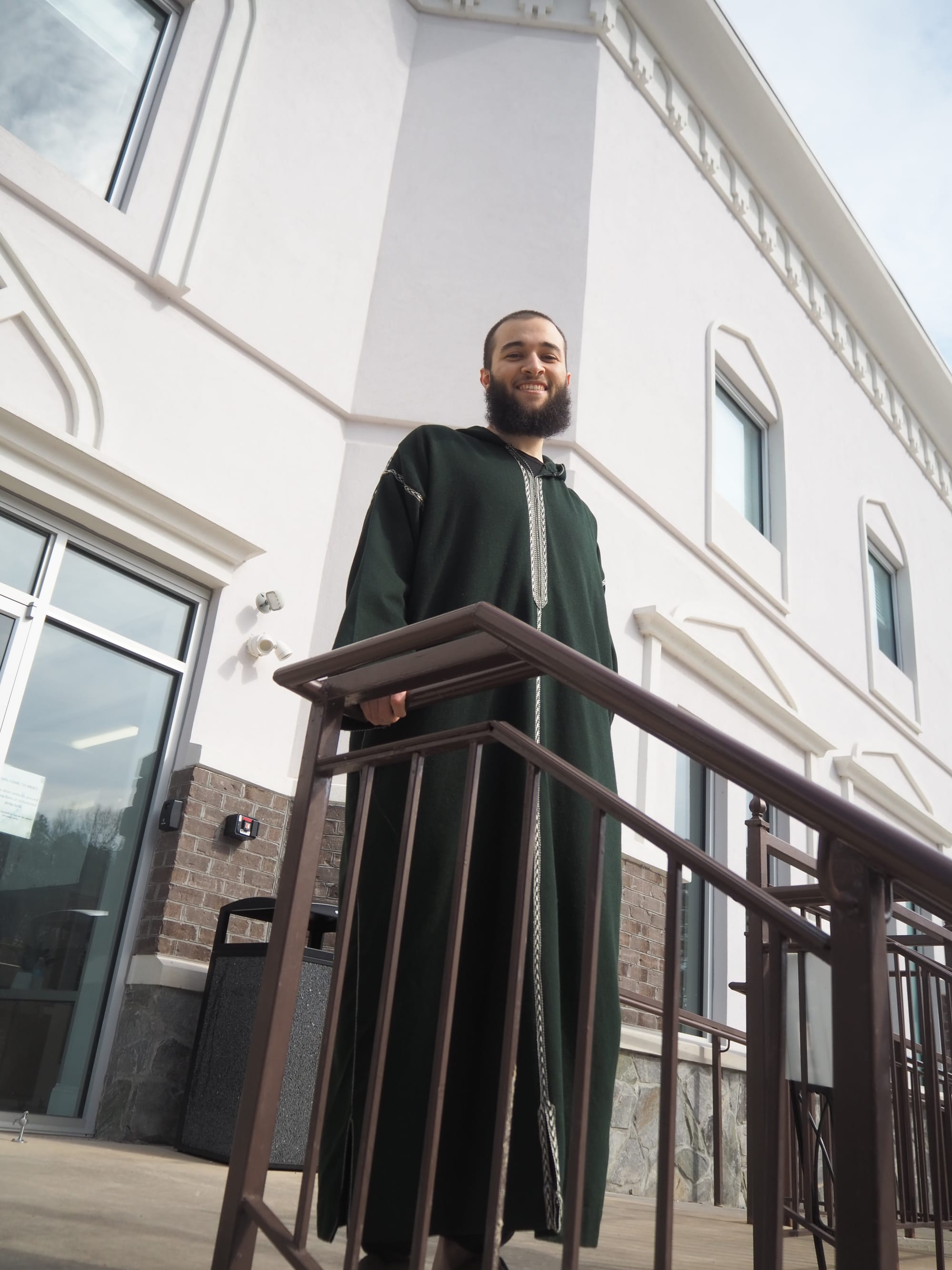
WEIC member Nasser Chanda, who runs a software company, is one of the 800 diverse members of the mosque.
“Ramadan is a very special month. We fast this month, we pray more in this month, and we give more charity in this month. But it starts with the revelation,” Chanda said. “For me and our family and for all of us, it's a month of joy. In the Muslim world, you go to Egypt, you go to Saudi, you go to Indonesia, Malaysia, Pakistan, Bangladesh, in Northern Africa, there's light. There are lights at night. People are enjoying more community. They're praying more. They're eating together more.”
Sundown means community and private break fasts that reflect the backgrounds of the varied members of the congregation. Tied to the Henrico community through school, work and a place of residence, the recent bombings across Iran and the Middle East was also felt this weekend.
“Our community is deeply saddened by the war in Iran and the tragic loss of life on all sides,” Chanda wrote in an email Monday. “We are especially heartbroken by reports that a girls’ elementary school in southern Iran was struck, where more than 150 people were killed, most of them children. Our thoughts and prayers are with all those who have suffered. We hope for a swift end to the violence and for the protection of civilians everywhere.”
During Ramadan, every evening the parking lot of WEIC is full and people inside pray. And while many feel tired and weak from fasting from sunrise to sunset, Nasser said they enjoy each other’s company. Youth groups gather and organizations visit to raise funds for varied causes.
Charitable efforts increase
The Islamic Circle of North America Relief charity is one such organization that fundraises at the WEIC and other area mosques, as well as through its own website with emphasis on Ramadan food support.
On the first day of Ramadan, the local ICNA foot pantry, located at 3009 Lafayette Avenue in Henrico, was still giving out Ramadan food boxes with food stable items including dates, rice, noodles and lentils.
The pantry had given out 1,000 of those boxes the week before to Muslims in need in localities beyond Henrico, stretching across Virginia from Harrisonburg to Hampton.
Federal cuts to Supplemental Nutrition Assistance Program recipients most specifically refugees made the need for food feel like a crisis to ICNA staffers like Basit Khan, local outreach coordinator. The food pantry normally serves 300 families a week.
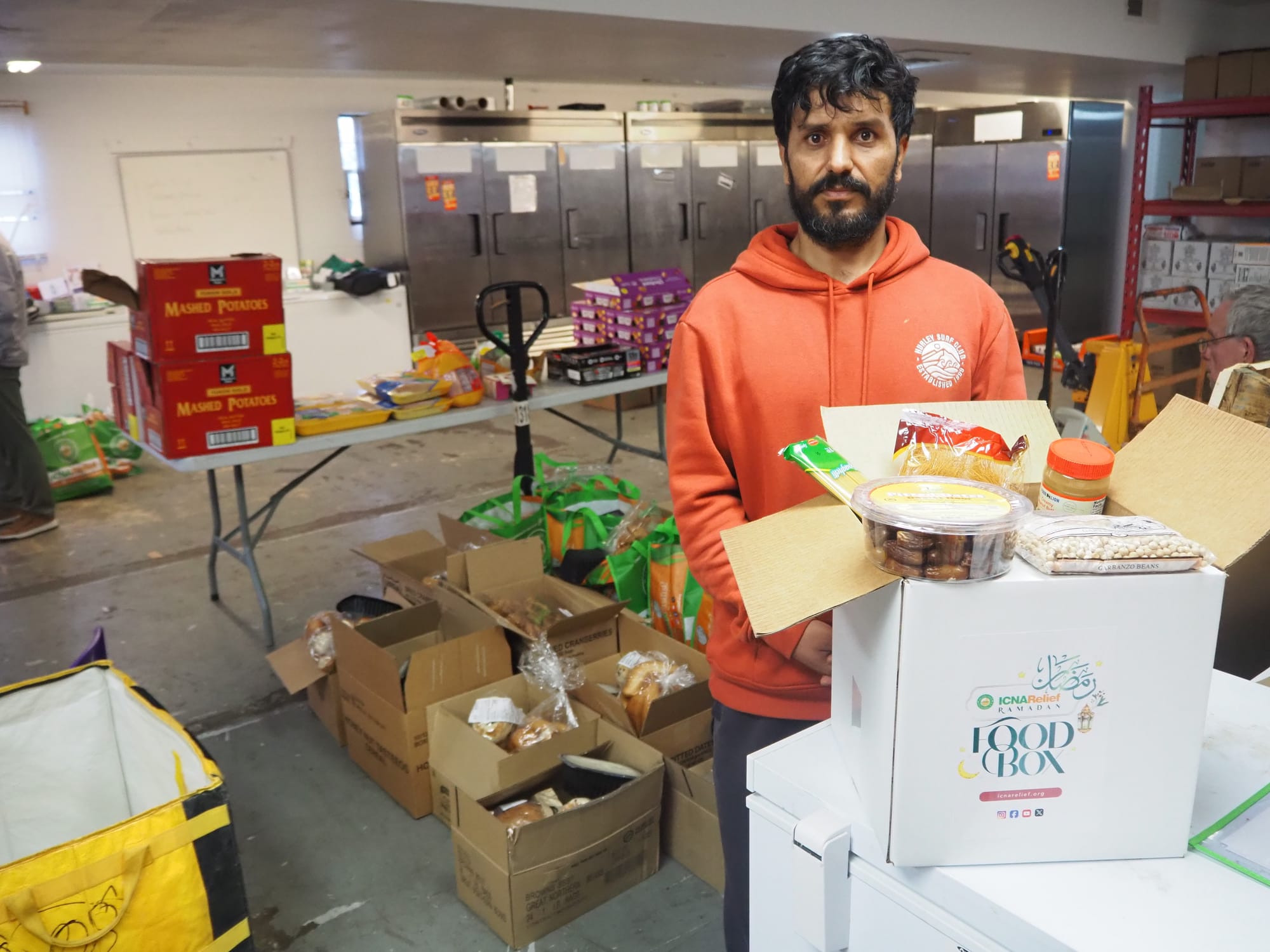
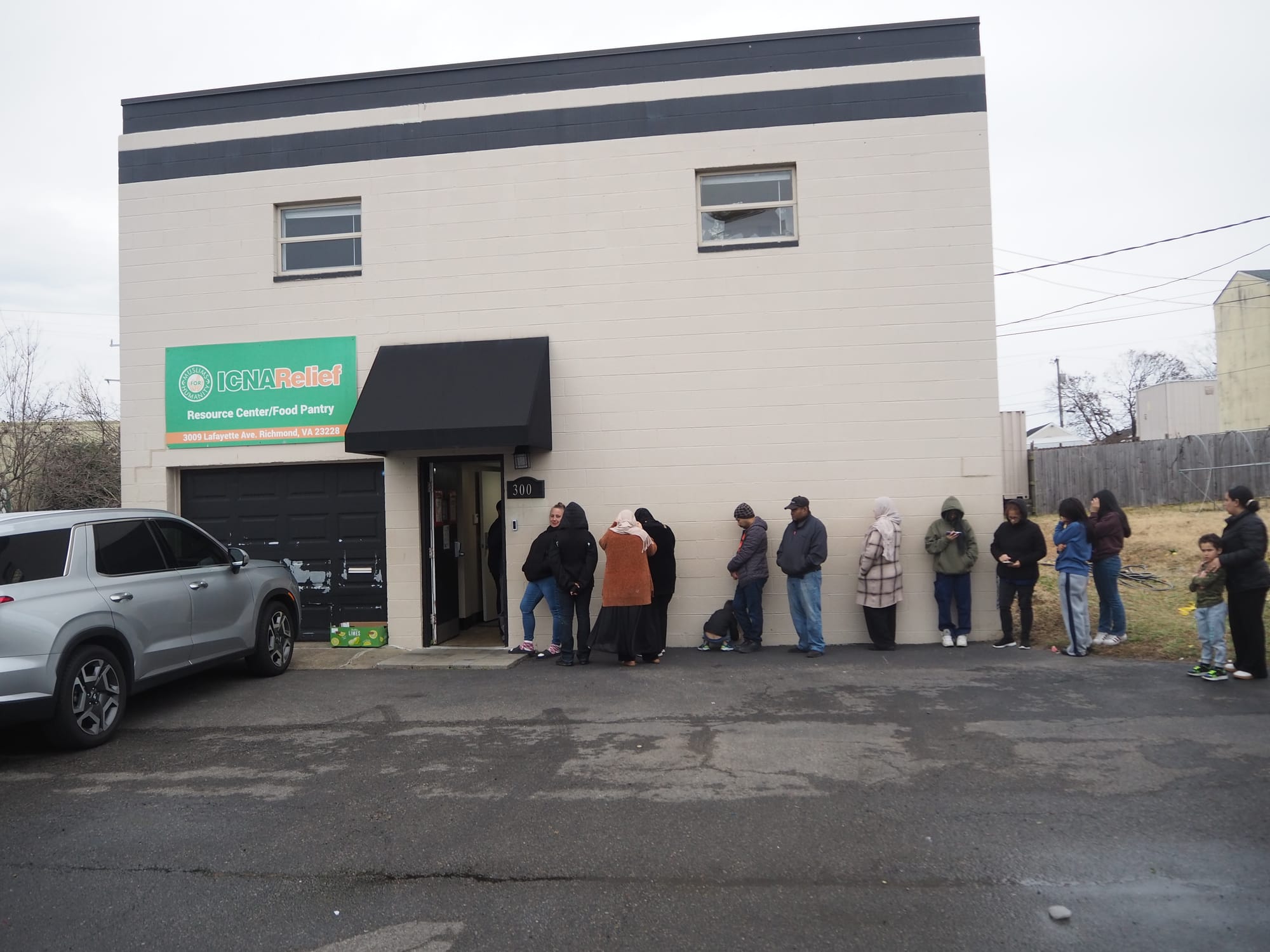
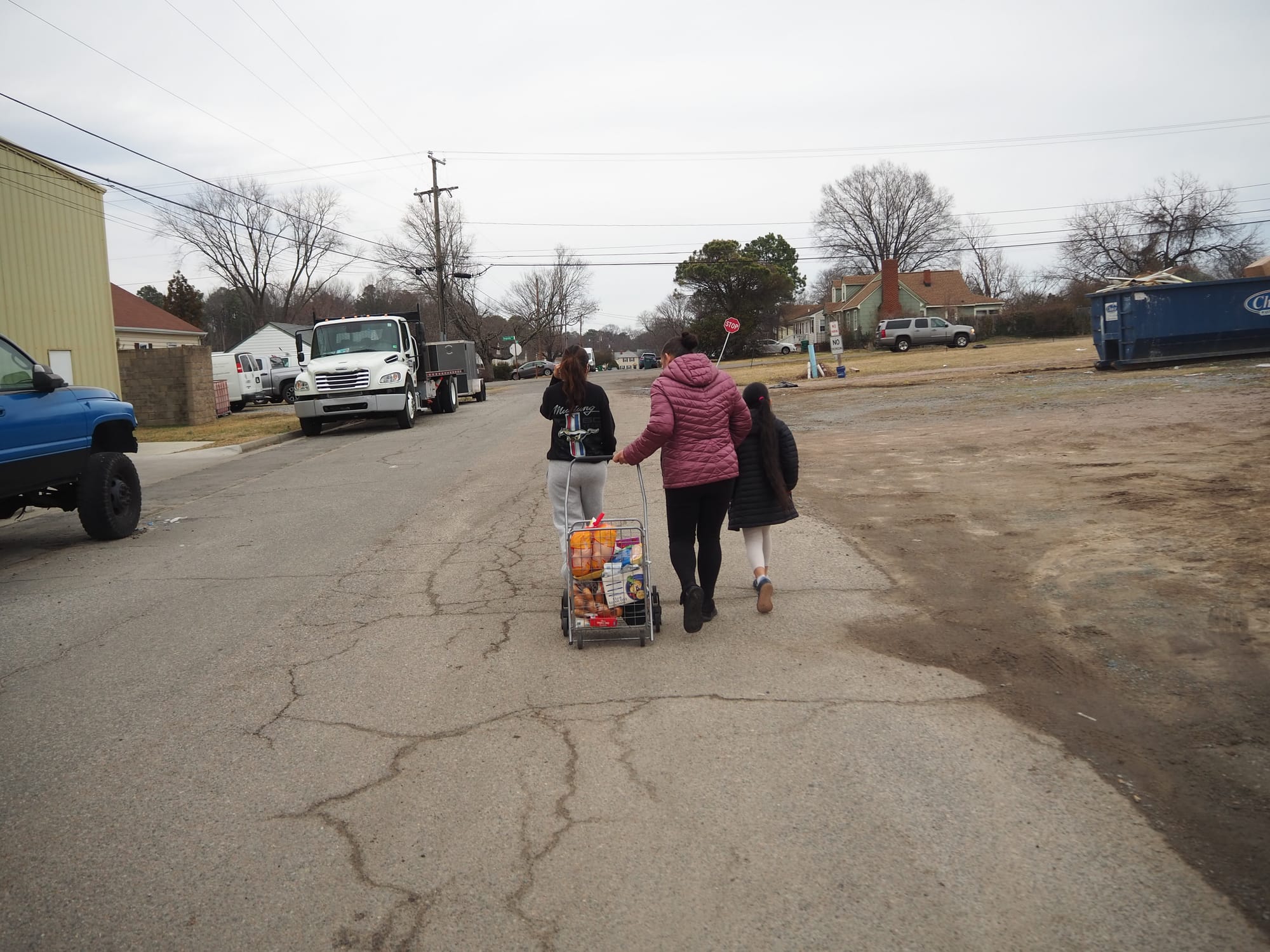
Scenes at the Islamic Circle of North America Relief food pantry during Ramadan: At left, food pantry coordinator Ajmal Hamza stands before a box with special Ramadan food items. Center, people wait outside the pantry for food. At right, family members walk home with food they received at the ICNA relief Wednesday food distribution. (Dina Weinstein/Henrico Citizen)
“We've seen a large number of people we haven't seen before. They say it's their first time,” Khan said. “I've heard that pretty much every week. The numbers are increasing.”
He speaks to organizations explaining that refugees and asylum seekers need help feeding their often-large families after being cut off from SNAP.
“There is an assumption of, why in the US would we have so many people that are food insecure? Why would they be in such need here?” said Khan who focuses on underlying causes for people needing support from food pantries. He asks people to contribute to ICNA’s work by donating funds or volunteering.
For Khan, fasting helps him put his life in perspective.
“The point of fasting is to raise our awareness,” said Khan. “A lot of us who are more well off, we tend to, in some ways, be more gluttonous, or we don't really keep track of what we put into our bodies. We become more conscious that we sacrifice something for the sake of God to get closer to him. It's a time to get more spiritually aware.”
Nourishment through different foodways
Khan said he usually breaks his Ramadan fast with typical South Asian fried foods from his background like pakora fritters made of deep fried vegetables or lentils with cilantro and spices, fried eggplants, bananas and apples.
Breaking the fast with dates is a popular food across Muslim cultures.
At the WEIC, the break fast foods shared at the evening Iftar reflects the congregation’s diversity of people from white Americans to people with backgrounds from Lebanon, Pakistan, Bangladesh, Egypt and Iraq.
Break fasts might consist of biryani, Mediterranean chicken over yellow rice or maqluba, a traditional Levantine pilaf one-pot dish that is flipped. Desserts like baklava are often served with Yemeni tea.
Several businesses across Henrico are catering to those celebrating Ramadan and are open to the public who may want to experience the cuisine along with the reflective and joyful vibe.
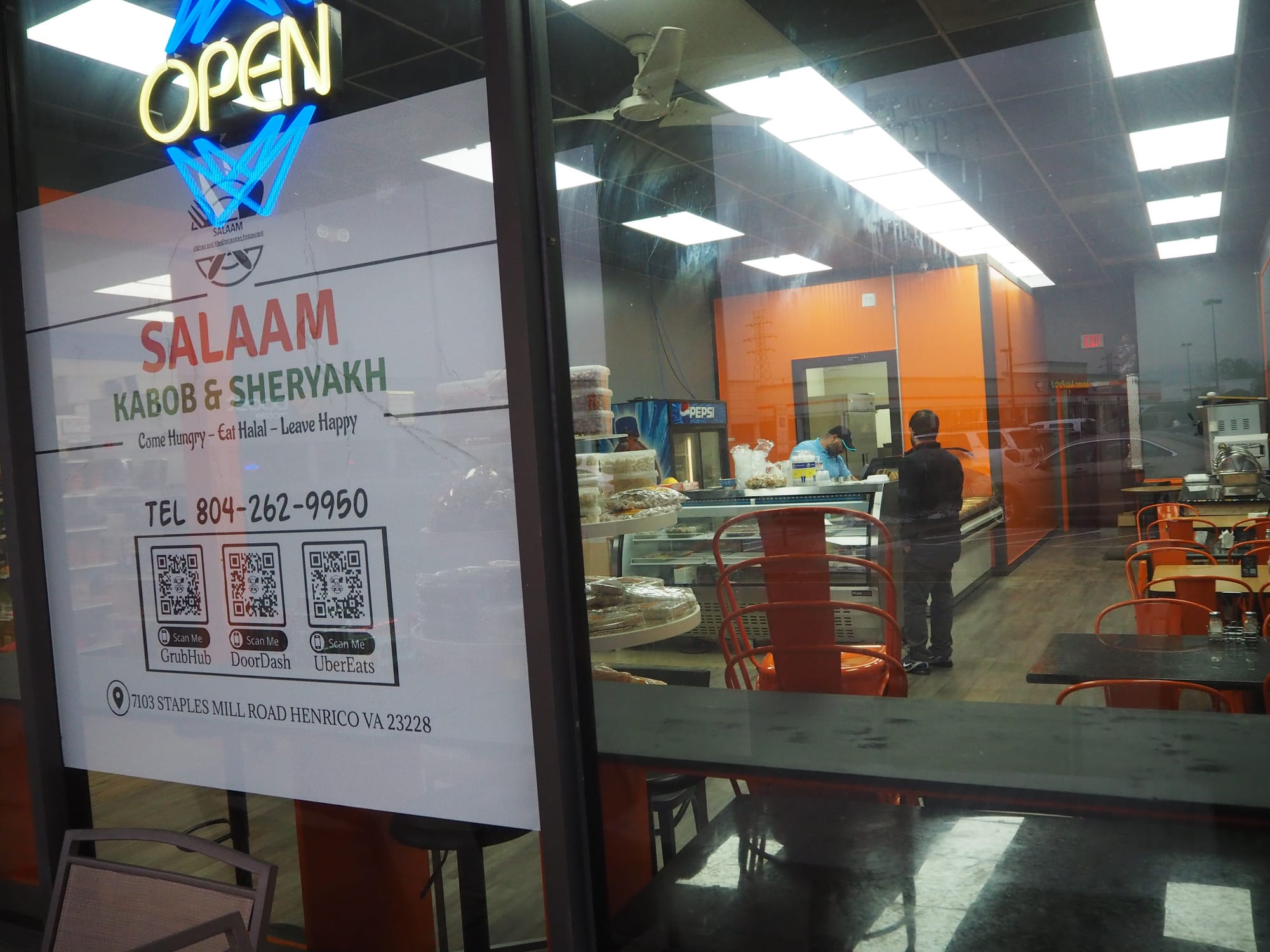
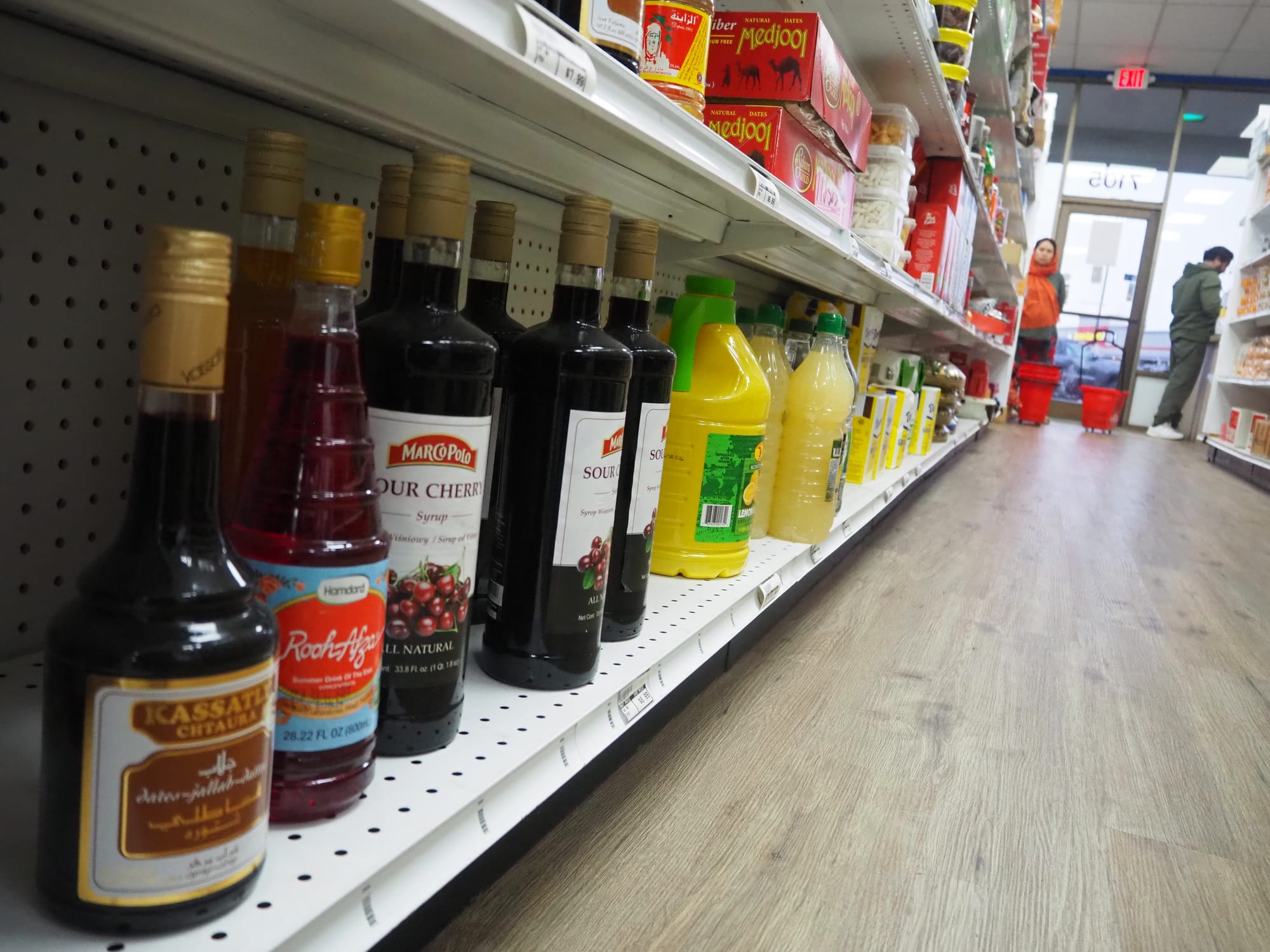
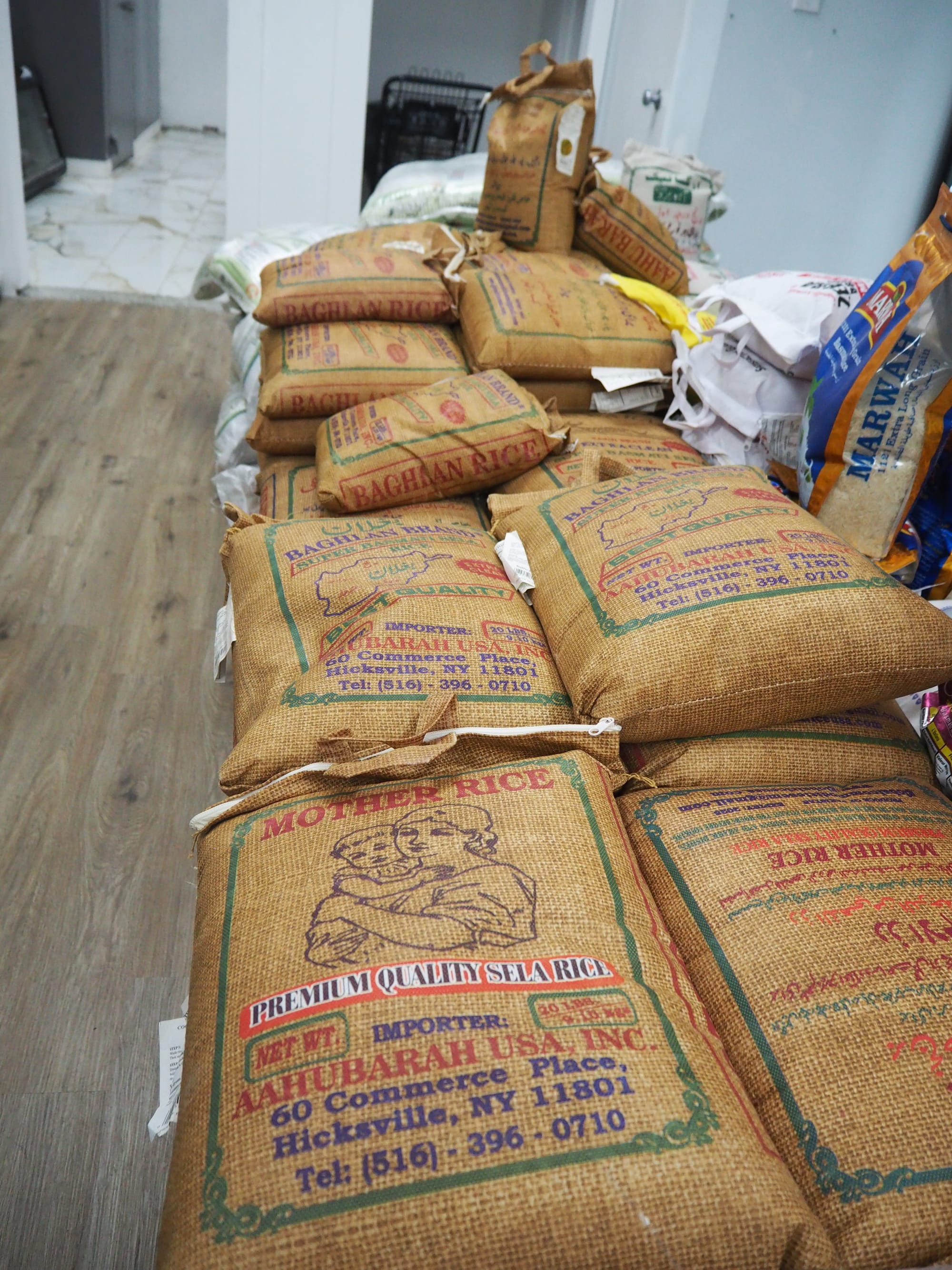
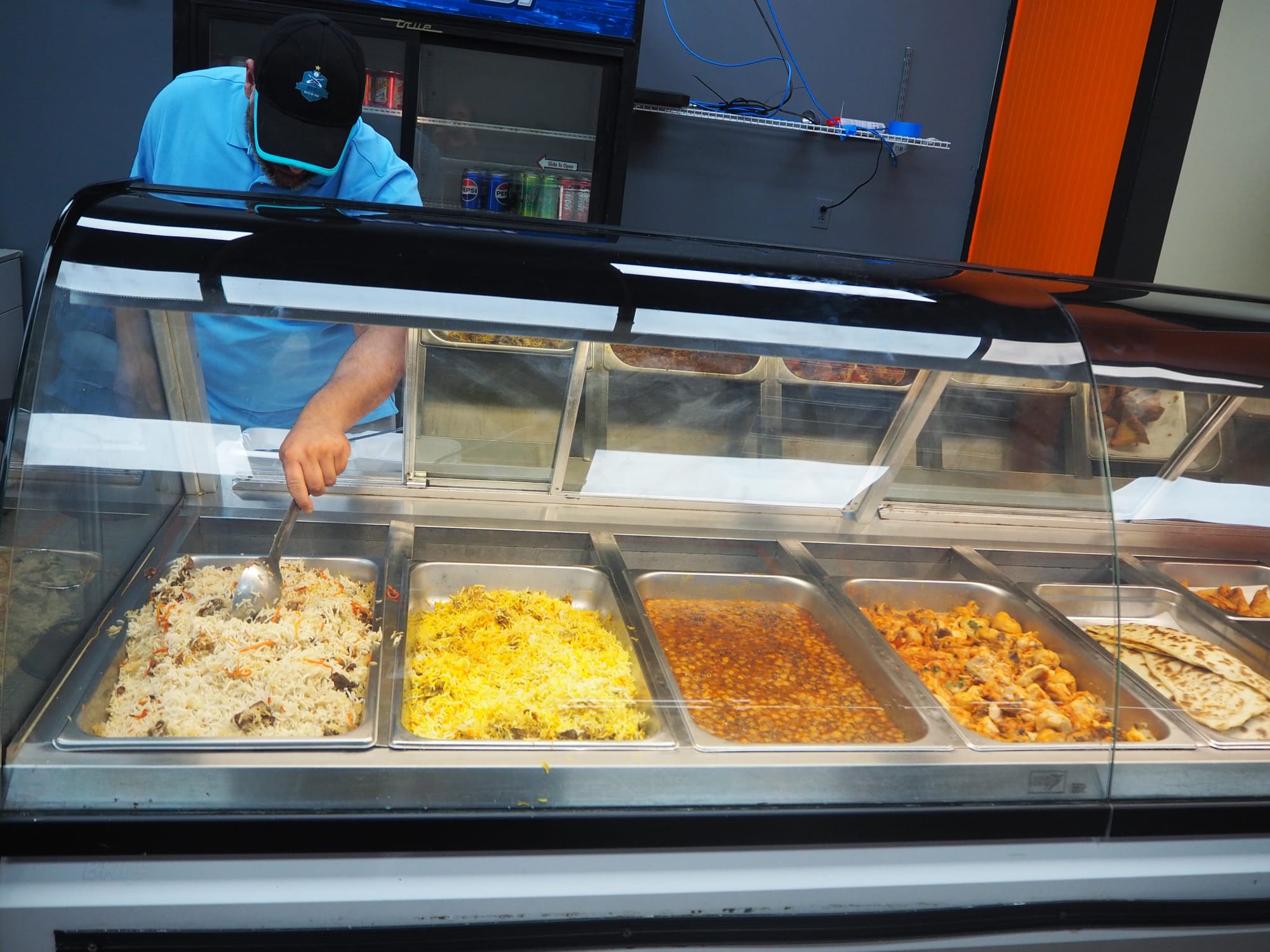
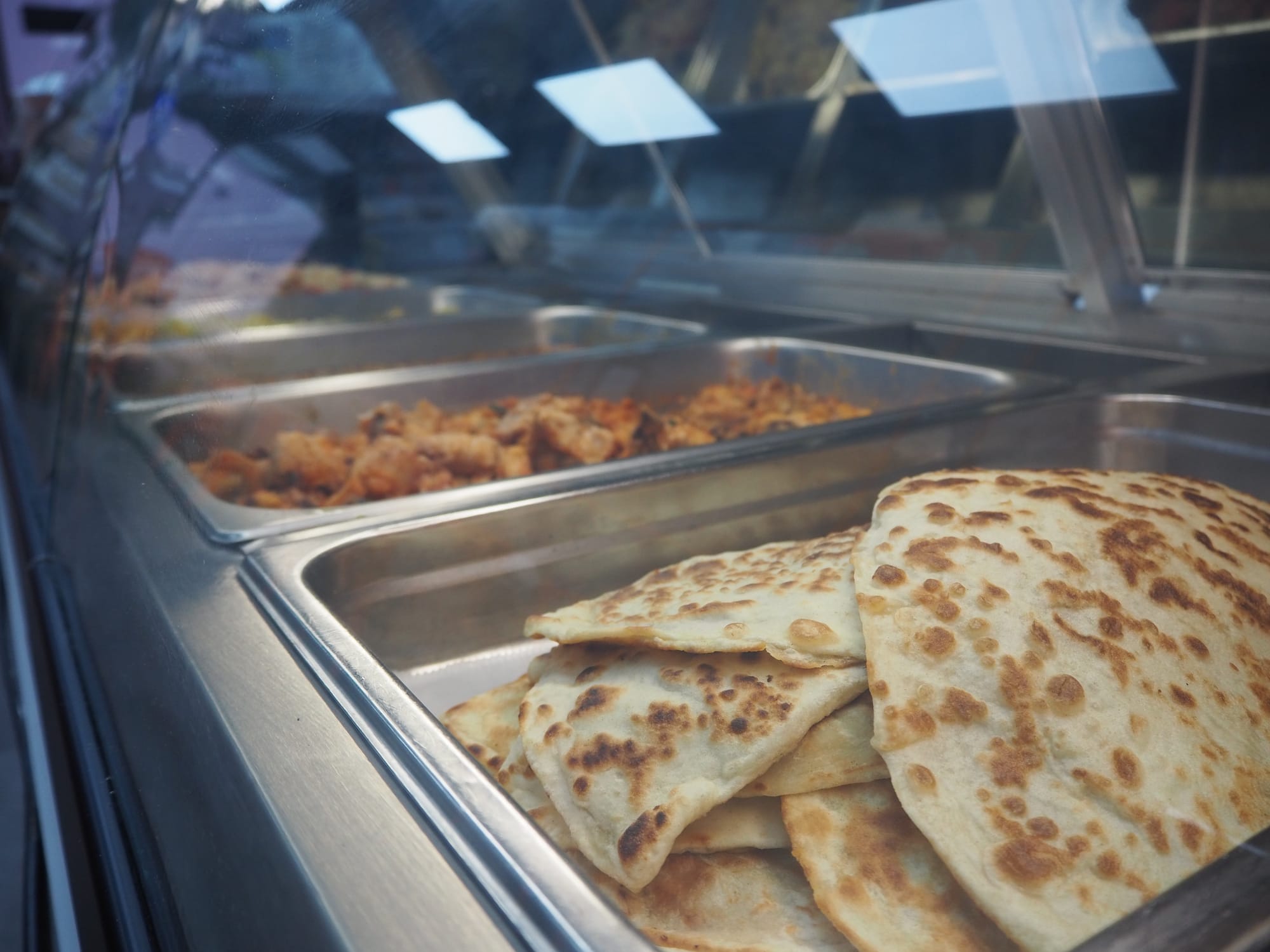
Scenes from Salaam Market at 7103 Staples Mill Road (Dina Weinstein/Henrico Citizen)
Salaam Market at 7103 Staples Mill Road, does a brisk business of traditional Afghan bread, chicken, Kabuli rice pilaf, salads and fried eggplant. The market side of the shop sells three aisles of products that also include a favored brand of imported rice and bottles of Rooh Afza, an iconic, ruby-red, rose-flavored syrup from South Asia that, when diluted with water, is consumed to prevent dehydration.
Shagufta Sajid, the owner of the Noorani Kebab House at 2757 Hungary Spring Road breaks her fast after sunset, ready for a cross section of customers that enjoy her restaurant’s ten-container-long buffet of Halal meat, rice, vegetables, salads and desserts along with a rosewater drink. She also offers an Iftar takeout menu.
“Ramadan is a connection to God,” Sajid said. “It's a blessed month, so we feel good about it when it's here.”
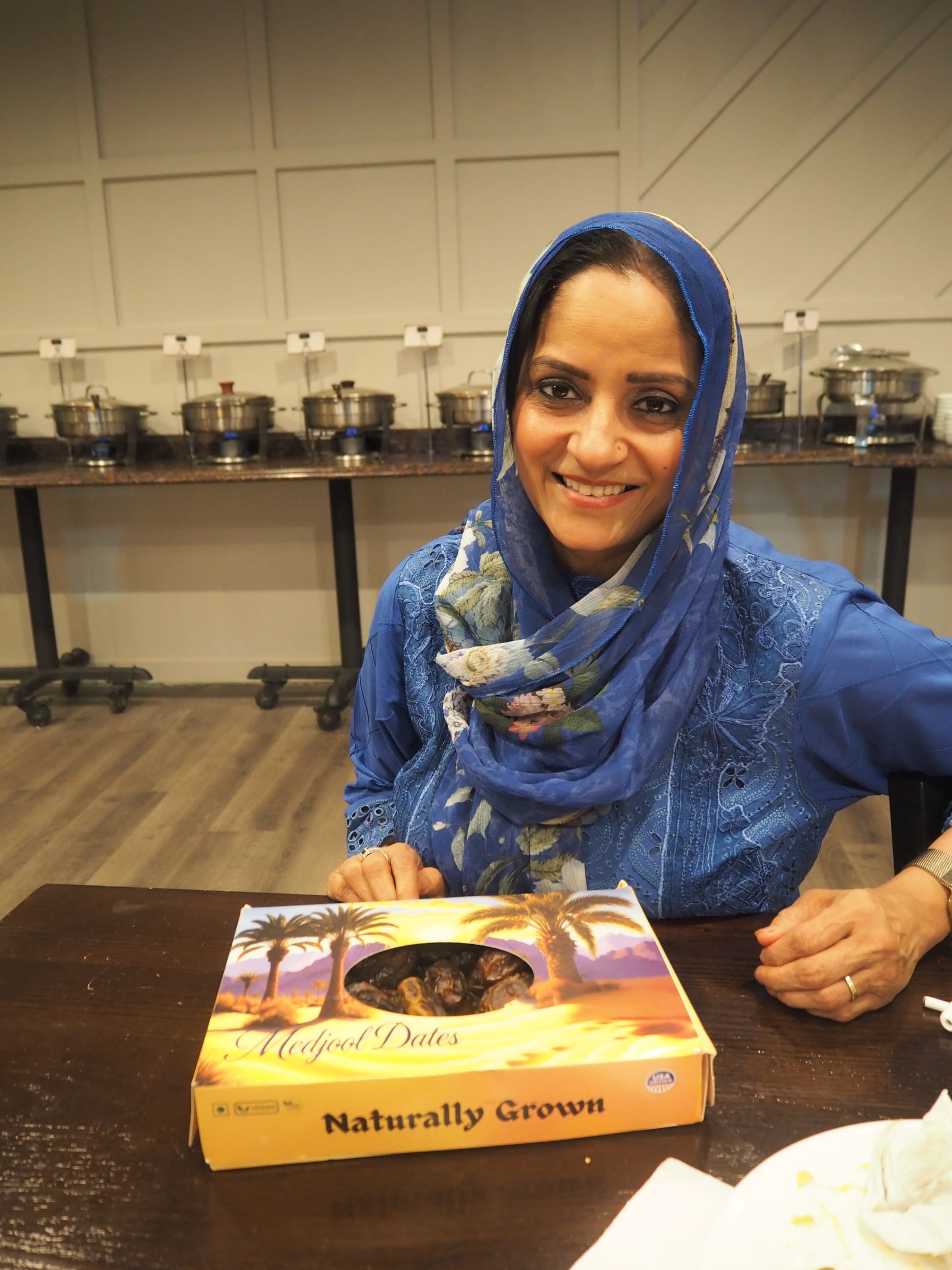
She and her family break the fast with a lot of appetizers, then they’ll pray and after eat a dinner.
“I eat like that in stages,” Sajid said. “I cannot make a big, huge plate, especially when you're fasting all day. It takes time for it to settle in. I’ll have a little bit of boza beverage, one samosa and a little bit of a chickpeas. Now I'm not even hungry. When I wake up during suhoor at 5:30 am, I will have some food. I'll pray the Maghrib and then I'll probably sleep. You want something simple, just boiled eggs or something like that. You just have to go all day.”
'Community makes us better'
Committed to outreach and bridging understanding with the community, before Ramadan, the WEIC organized a panel of students to speak to educators to help them understanding Muslim students in public schools.
“Henrico has great schools. It’s a great community with great neighbors, warm, friendly people, the police are very kind and cooperative,” Chanda said. “The schools, they're very accommodating and care about the kids. Henrico is a great place to raise a family and that's why we're seeing Muslim families growing here. I just want to say a message of thank you to our neighbors.”
Rezaul Chowdhury, a member of the Islamic Center of Virginia, at 7705 Impala Drive, said while Ramadan centers him with prayer and good deeds, charity brings people together and helps members of the community understand each other.
“When we are fasting, we understand how poor people live life,” Chowdhury said. “It teaches us how to think about them. Community makes us better. No rich, no poor, no Black, no white, no brown. Let people know there are Muslim people here helping people, donating food with an open heart. We invite people to come here and enjoy food with us and to know what is going on.”
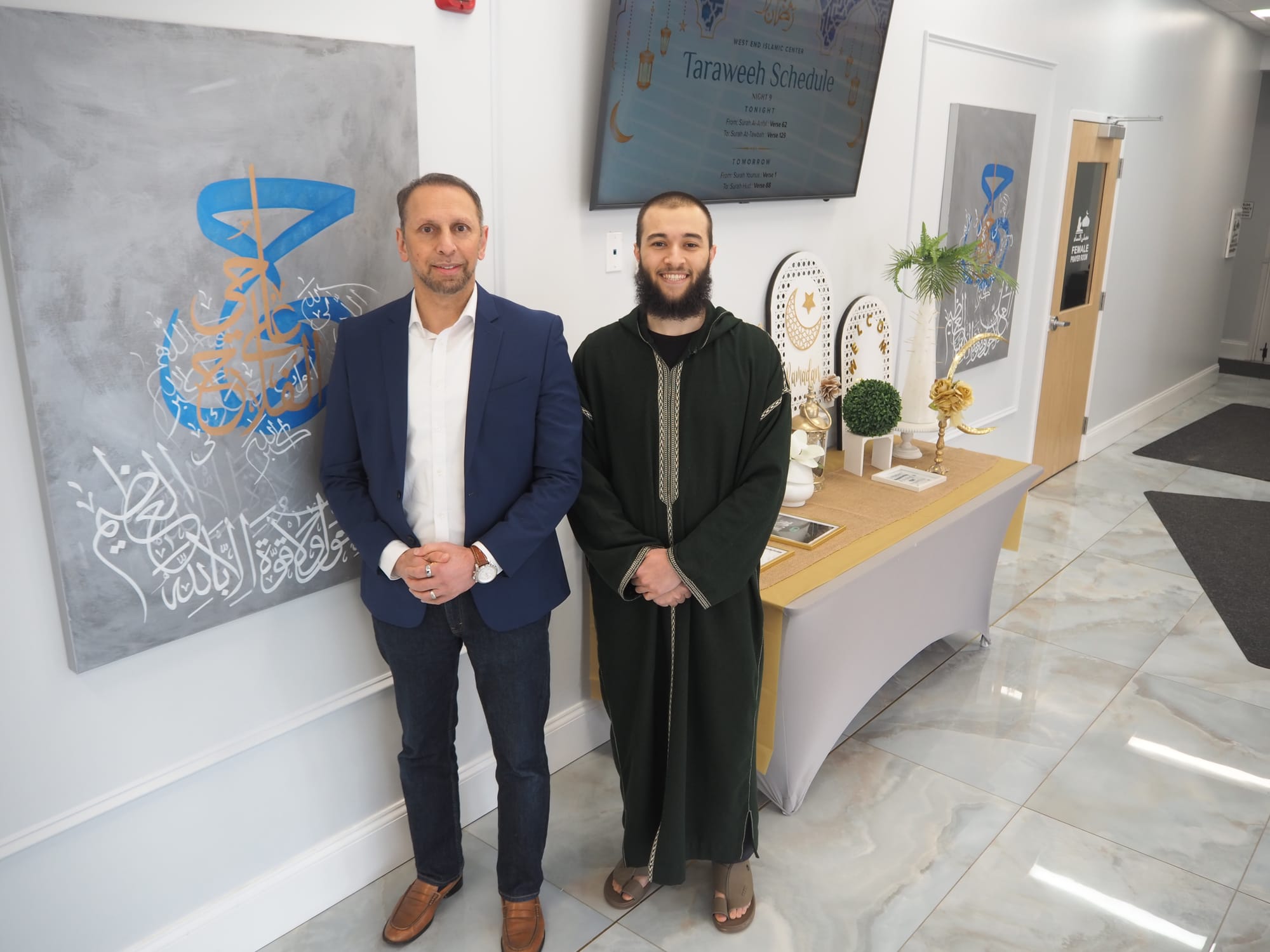
A formal opportunity called "Experience Ramadan with Muslims" is being held on Saturday, March 7 at 4 p.m. at the Islamic Center of Richmond which is also known as Masjid Yusuf located at 8481 Hungary Road. Activities will include Arabic calligraphy and Henna demonstrations as well as Quran readings, an Islam 101 Q&A and an Iftar break fast after sunset.
Dina Weinstein is the Citizen’s community vitality reporter and a Report for America corps member, covering housing, health and transportation. Support her work and articles like this one by making a contribution to the Citizen.