New Virginia laws target school construction and classroom cellphone use
Spanberger signs bipartisan package spanning infrastructure, academics and student safety
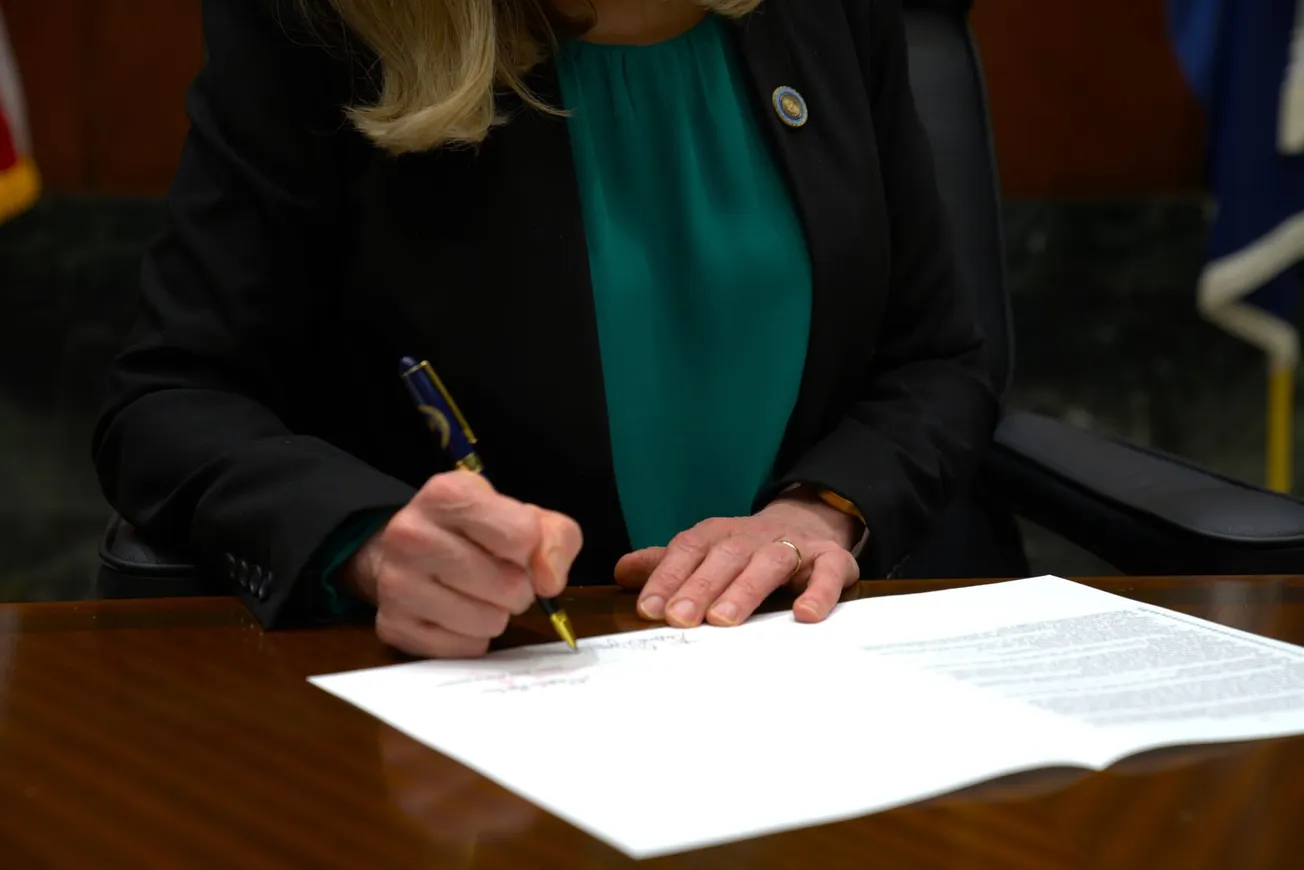
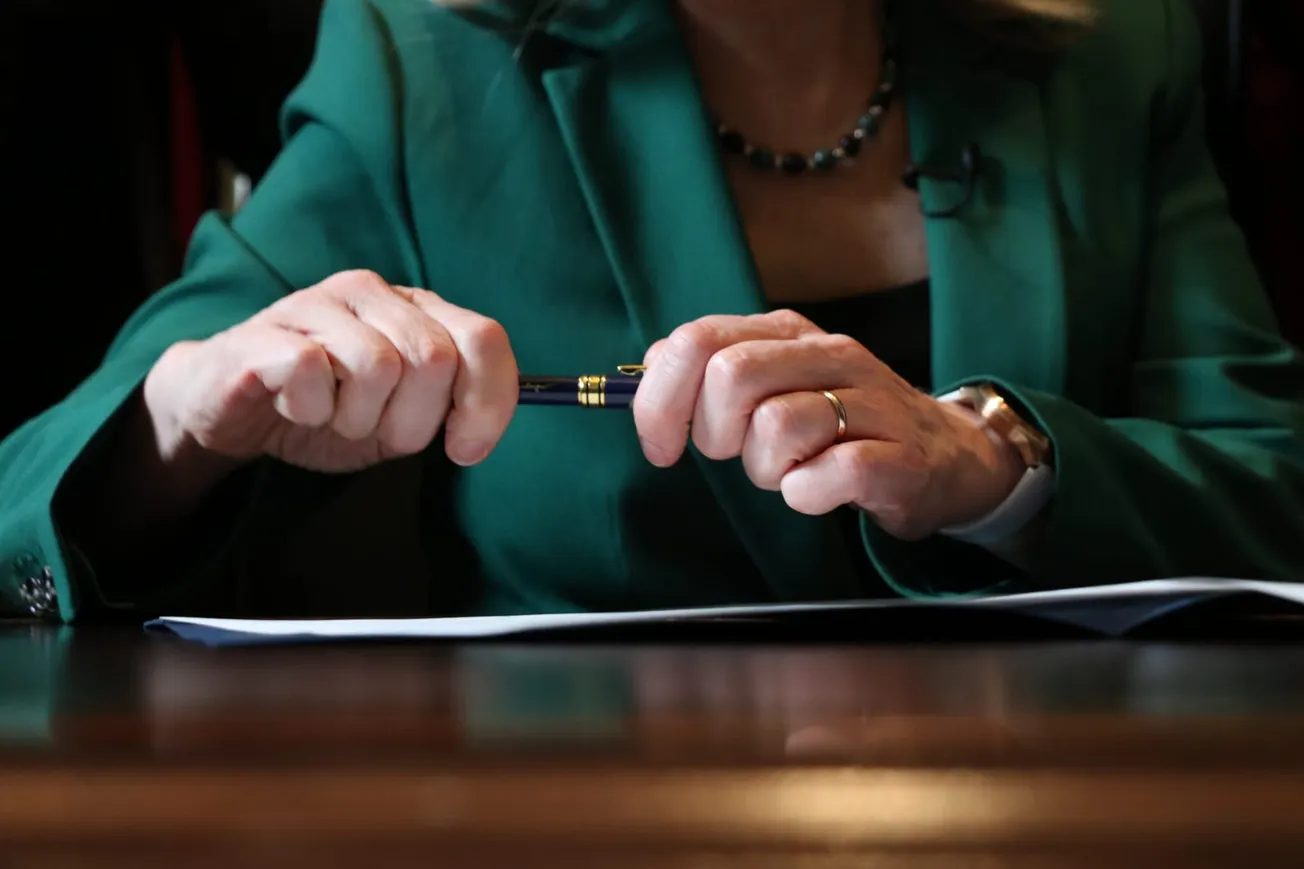
Framing education as a cornerstone of her administration, Gov. Abigail Spanberger on Tuesday signed a sweeping package of legislation aimed at strengthening K-12 schools, expanding career pathways and reducing classroom distractions across Virginia.
The measures, many of which passed the legislature with bipartisan or unanimous support, span much of the public education system — from school construction and academic standards to student safety, mental health and family engagement.
Two priorities stand out in the package, both of which lawmakers from both parties have deemed urgent: long-term planning for school infrastructure and limits on cellphone use during the school day.
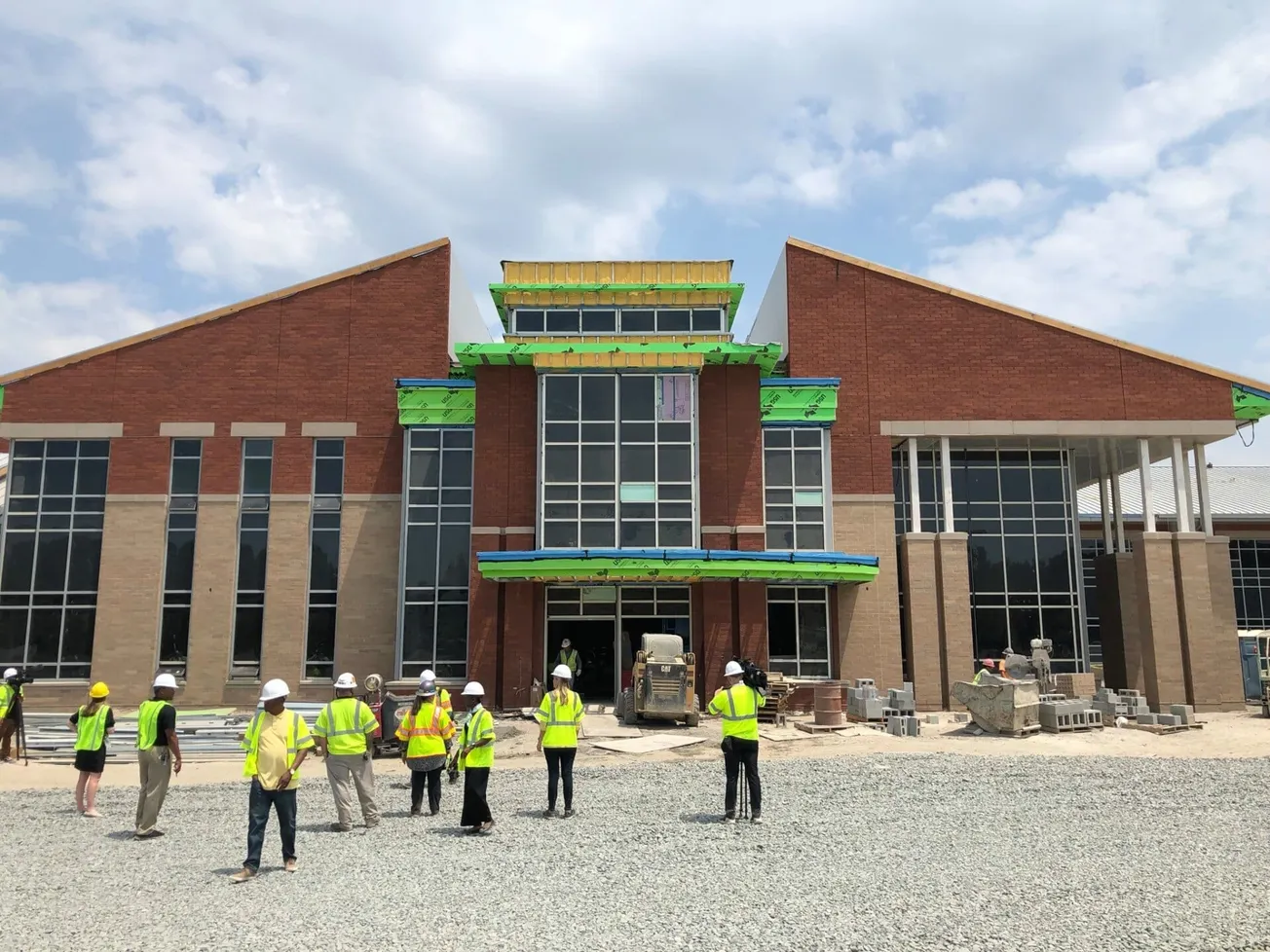
Lawmakers approved legislation to make the Commission on School Construction and Modernization permanent and require a 10-year capital improvement roadmap through House Bill 544 and Senate Bill 498. The move is intended to bring more consistency and predictability to how Virginia maintains and upgrades its aging school facilities.
The effort builds on bipartisan work that gained traction under former Gov. Glenn Youngkin to address infrastructure gaps across school divisions and better coordinate state and local investments. A 2022 state report found nearly 1,000 school buildings statewide are at least 50 years old and estimated it would cost over $25 billion to replace.
Another closely watched measure, SB 108, sets “bell to bell” restrictions on student cellphone and smart device use, with the goal of cutting down on distractions during class time and encouraging more face-to-face interaction.
The move builds on a 2024 executive order from Youngkin that directed state education officials to develop guidance for “cell phone-free classrooms” and encouraged school divisions to limit or eliminate device use during instructional time.
Lawmakers also approved related legislation — HB 1486 and SB 568 — directing schools to teach students about the addictive potential of electronic devices.
Spanberger described the package of new laws as part of a broader effort to strengthen public education and prepare students for a range of postsecondary paths.
“The strength of public schools is personal for me — both as someone who grew up in Virginia public schools and as a parent of three school-aged daughters,” Spanberger said in a statement. “Parents deserve to know that their students are receiving an education that allows them to reach their full potential.”
She continued, “I am signing this legislation into law to help make sure every student is set up for success — whether they enter straight into the workforce, pursue an apprenticeship, join the military, or attend a community college or four-year university.”
Several of the new laws focus on expanding career and technical education, or CTE.
Measures such as HB 332 and SB 203 are intended to make it easier to bring CTE teachers into the classroom, while SB 592 aligns course offerings with emerging workforce needs.
Additional legislation, including HB 647, helps more instructors obtain licensure.
Lawmakers also approved measures to streamline higher education financial aid programs — HB 1221 and SB 167 — with the goal of reducing confusion and making it easier for students and families to apply.
Other provisions focus on academic accountability and student outcomes.
HB 924 directs state education leaders to support improvements in low-performing schools, while HB 299 and SB 200 make changes to how Standards of Learning assessments are administered. HB 1243 ensures state accountability ratings more accurately reflect student achievement growth.
Parental involvement is another theme reflected in the package. SB 817 requires schools to notify families about course enrollment deadlines and how to request schedule changes, while HB 206 expands access to information about laboratory school programs.
Additional legislation addresses early childhood education, including HB 211, which looks at barriers to participation in Head Start and Early Head Start programs. The National Institute for Early Education Research last year ranked Virginia 26th in the nation for offering preschool access for 3-year-olds and 30th for preschool access for 4-year-olds.
Beyond academics, the package includes several provisions aimed at student health and safety. HB 1086 encourages schools to purchase fresh meal ingredients from Virginia farmers, while HB 832 expands meal availability in Governor’s Schools.
Water safety instruction will be expanded through HB 705 and SB 151, and HB 957 ensures schools provide information about the 988 Suicide and Crisis Lifeline.
Lawmakers also approved measures to protect student-athlete biometric data under HB 971, enhance training for school security officers through SB 529, and support students with diabetes under HB 1301 and SB 122.
Taken together, the slate of legislation signed into law Tuesday touches on a wide range of education priorities — from school facilities to classroom policies to student health, safety and long-term outcomes.
Virginia Mercury is part of States Newsroom, a nonprofit news network supported by grants and a coalition of donors as a 501c(3) public charity. Virginia Mercury maintains editorial independence. Contact Editor Samantha Willis for questions: info@virginiamercury.com.