In Virginia's First District Democratic primary, candidates are divided about how to get rural votes
As early voting kicks off today for Virginia’s midterm primaries, seven Democratic candidates are facing off to be the final contender against Republican incumbent Rob Wittman in a bid to flip the First Congressional District from red to blue.
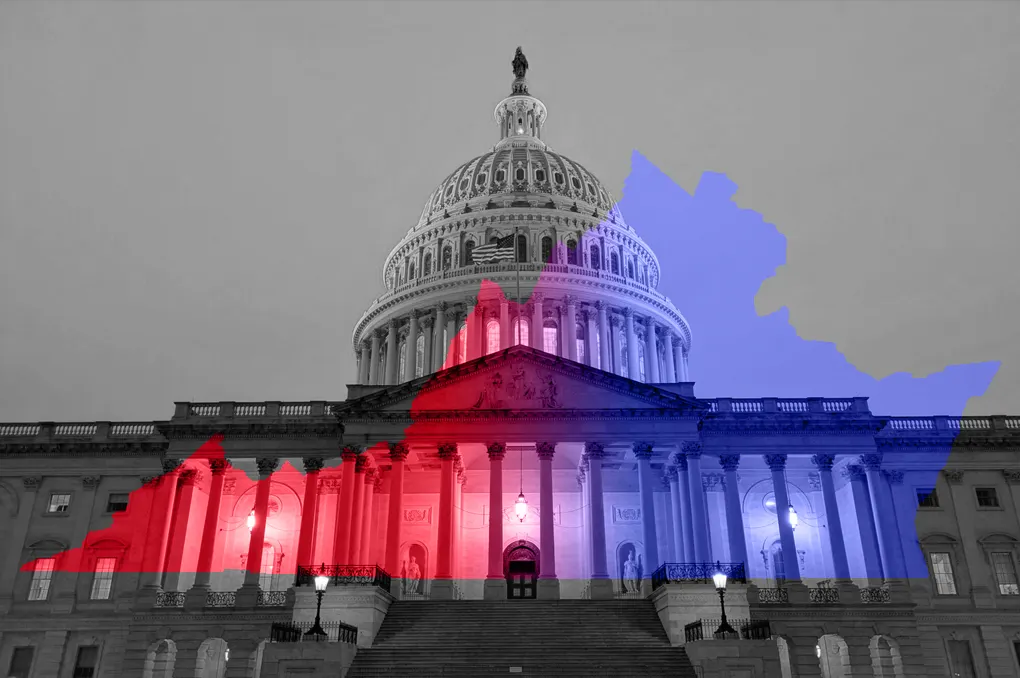
The First District has been labeled as the country’s “median district” (with nearly a clean split in partisanship) by the Center for Politics at the University of Virginia, making the district a major midterm battleground for the national Democratic Party.
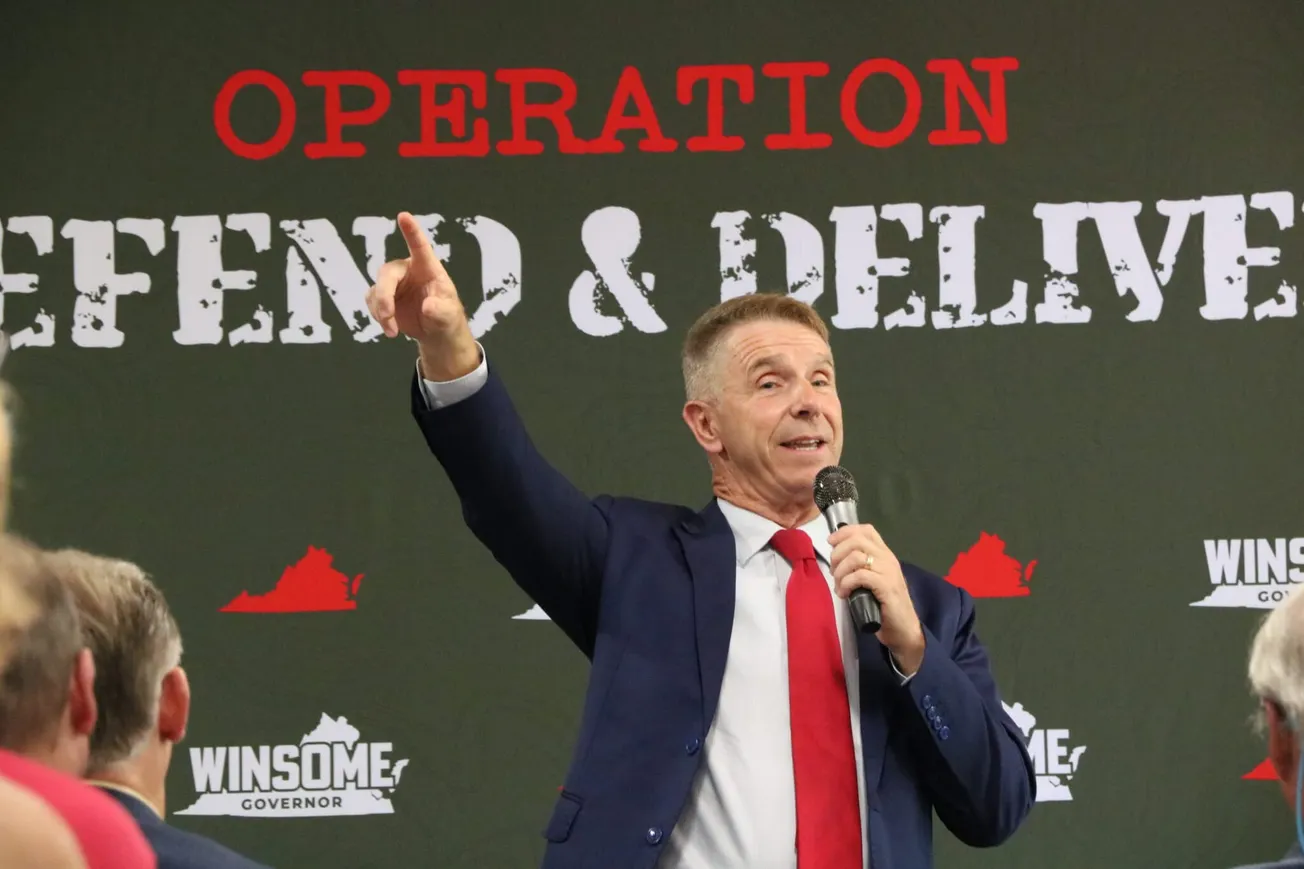
Wittman, who was able to avoid an April redistricting attempt that would have shifted the First District to more left-leaning areas, has held down his congressional seat since 2007. The district’s boundaries remain stretched from Virginia’s Northern Neck down to Williamsburg and the western parts of Henrico and Chesterfield counties.
Early voting will run until the primary concludes Aug. 4, and Democratic candidates are eager to prove that they are the best for the job – that job being defeating Wittman. But Democrats are split on how that will actually be accomplished, although they are aligned on one fact: winning rural voters will be critical.
For Henrico Commonwealth’s Attorney Shannon Taylor, that means following in the footsteps of Gov. Abigail Spanberger – who was the first in 17 years to flip the district blue by winning 51% of the vote in the 2025 gubernatorial race – by focusing on affordability and healthcare issues that reach across the political aisle.
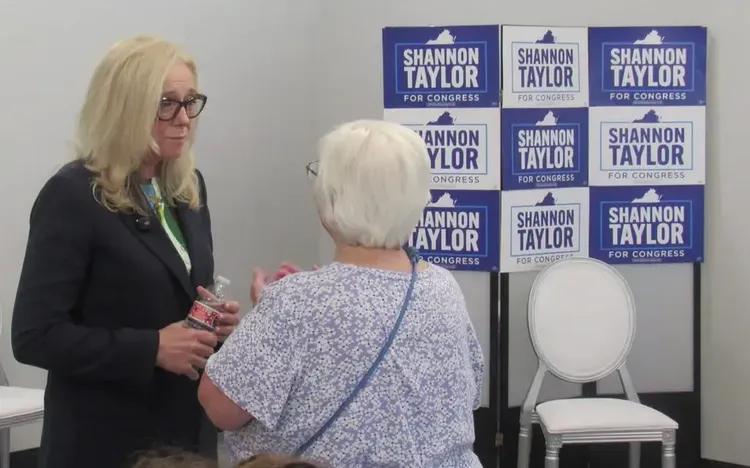
“While we know that Republicans like to hype very fringe issues that they think are going to get their base energized, that’s not what Americans really want to hear. They want to hear, how are you going to bring gas prices down? How are you going to make healthcare affordable,” Taylor said at a June 12 campaign event in Hanover. “I think that that's kind of the message that Abigail Spanberger brought back in 2025, which is why she won this district with two-and-a-half points.”
The population of the First District is anchored by parts of the more left-leaning suburban Henrico and Chesterfield counties, which make up about 44% of the district. But another 12% of the population lies within conservative Hanover County and 26% within a red sea of rural counties near Virginia’s Northern Neck.

Learn more about how to cast a ballot in Henrico County during the 2026 primary elections by clicking the button below.
Defeating Wittman 'the ultimate goal' for Democrats
For some candidates, the Aug. 4 primary is less about what the district wants and more about what they don’t want – or what Democratic voters don’t want: another term for Wittman.
At a June 17 First District candidate town hall in Chesterfield, Navy veteran Jason Knapp, who is from the First District’s rural Northumberland County, said that the Democratic nominee will need to appeal especially to rural Virginia voters.
“Let’s be clear, it is about November, and defeating Rob Wittman is the ultimate goal of this race, not August 4,” he said. “It’s going to take somebody with the background that I have to actually win the seat.”
Henrico businessman and army veteran Mel Tull also emphasized the need to win over rural, conservative voters, saying it will take moderate, middle-of-the-road stances.
“I take a very pragmatic approach to working with people in this district, and in more rural parts of the district who may not always agree with us, to build relationships and understand our different perspectives and find that common ground and get stuff done,” he said. “And I firmly believe that’s what we’re going to need to win over all of the independent, moderate voters.”
Democratic candidates Elizabeth Dempsey Beggs (left) and Salaam Bhatti at the June 17 town hall. (Liana Hardy/Henrico Citizen)
But other candidates are doubling down on their progressive beliefs. Community organizer Tim Cywinski, who works for the Sierra Club Virginia Chapter, said that most Americans and Virginians are not focused on the split between Republicans and Democrats, but on the division of the haves versus the have-nots.
“Republican and Democrat, it doesn’t mean anything to a single parent who’s working two jobs,” he said. “So, what do we do as a Democratic Party? We reject the status quo that we have to placate the rich and powerful in order to win elections. We reject the idea that we have to compromise on our values in order to win rural areas. . . and by the way, those values make sense to people who don’t vote Democrat.”
For public-interest lawyer Salaam Bhatti, an issue like data centers – one that is particularly relevant to Henrico, Hanover, and Chesterfield residents – underscores the importance of not backing down from progressive values. More data centers will lead to increased costs and health impacts for First District residents, Bhatti said, and politicians must remain separate from corporations like Dominion Energy that directly benefit from data center dollars.
“We aren’t even being nickeled and dimed, we’re being dollared and five-dollared based on our energy rates, because of Dominion owning our Republicans and Democrats in the [Virginia] General Assembly, which is why none of those bills passed even though we have a Democratic majority,” he said. “This is happening on our watch. It’s going to destroy communities, all because people want to stay in office.”
At the June 17 town hall, which was attended by six candidates but not Taylor or Wittman, Democrats took shots at the absence of Wittman, who has been criticized by some First District residents for refusing to hold in-person town halls in recent years. But the true elephant in the room wasn’t Wittman’s absence, but that of Taylor, candidates said.
“We have a placard over there for Mr. Rob Wittman, but there is somebody else who is not here and has never been at one of these events,” Knapp said. “If we are going to defeat Rob Wittman, you have to show up. If they’re too afraid to show up here in a very comfortable Democrat room, what chance does somebody like that have against the Republican machine?”
Taylor, the primary’s perceived frontrunner who has received endorsements from several high-profile state Democrats and local leaders in Henrico, also came under fire from candidates for past donations from Dominion Energy. During her run for Virginia Attorney General last year, Taylor accepted a total of $800,000 in campaign funding from Dominion.
In her June 17 policy agenda roll out, Taylor pledged to reject all corporate PAC money for her congressional campaign and said that she opposes Dominion’s proposed rate hikes for Virginian customers. In a statement to the Citizen, Taylor also said that she has shown up in all areas of the First District and will continue to be present on the campaign trail.
“I’ve traveled this district from Chesterfield to Williamsburg to the Northern Neck to hear directly from families struggling to get ahead, and that’s exactly what I’ll keep doing,” she said. “I’ve never let donors dictate my decisions. Nobody buys my vote – they never have and they never will. I will always work for the people of Virginia.”
Liana Hardy is the Citizen’s government and education reporter. Support her work and articles like this one by making a contribution to the Citizen.