In the Garden: Winning vegetables for gardens and containers
Include some winning vegetable varieties in this year’s garden. Look for the 2026 All-America Selections (AAS) winners that have been tested nationally and selected for their suitability in home gardens and containers. Winners must have improved appearance, flavor, performance or other features than those varieties already on the market.
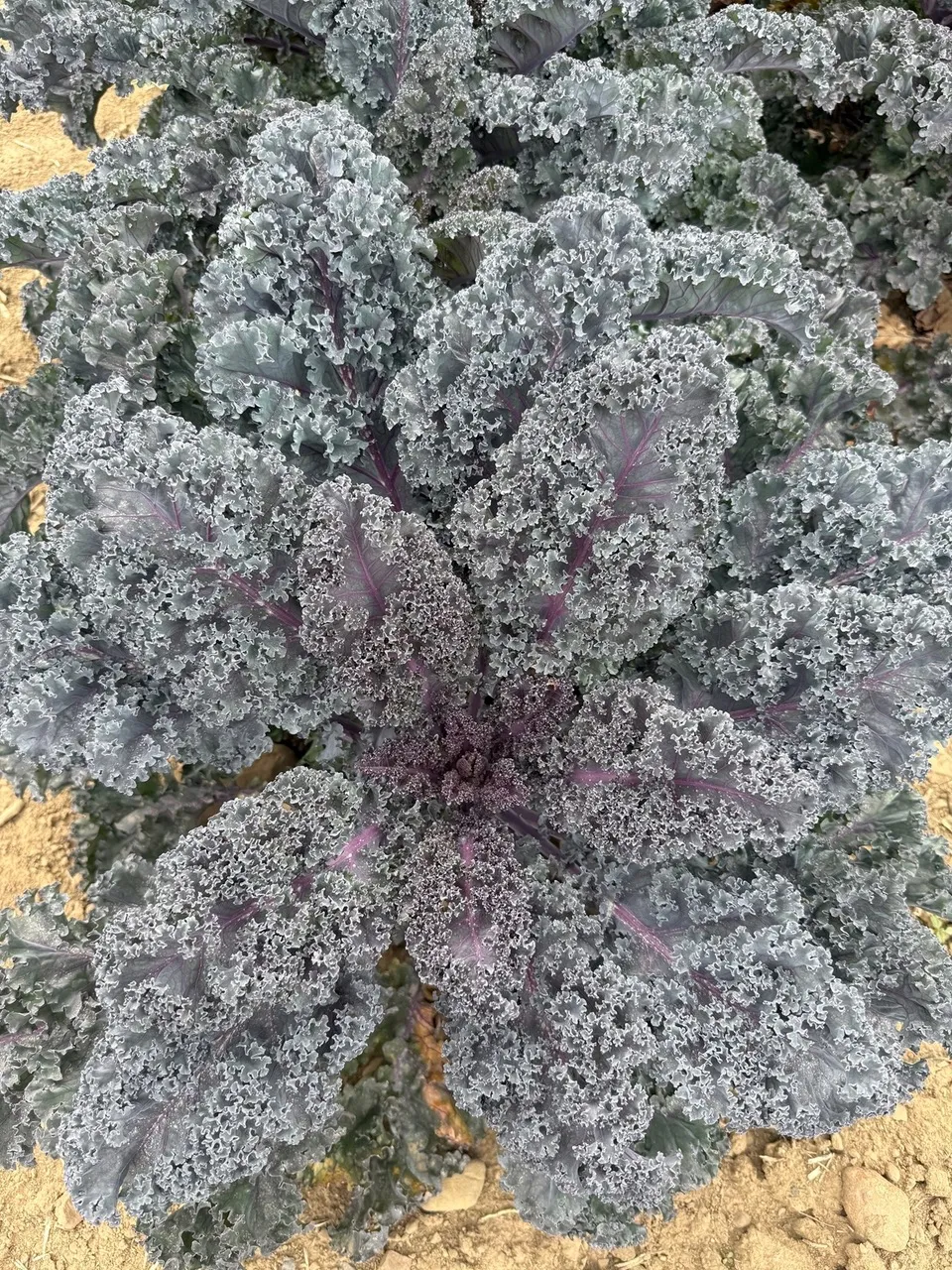
Whether you like kale for its beauty, flavor or nutritional value, consider the Gold Medal winner Rubybor. This kale is both pretty and edible. The deep purple ruffled foliage is uniform and compact, making it perfect for ornamental planting beds, vegetable gardens and containers. You’ll enjoy a continuous harvest of tender non-bitter kale all season long.
This breakthrough in breeding resulted in a kale with outstanding flavor and beauty, causing Rubybor to become an AAS Gold Medal Winner in both the flower and vegetable category. This award is only given once or twice in a decade. Some past winners include Ruby Ball Cabbage, Sugar Snap Pea, Profusion Zinnia, Purple Majesty Millet, and Fresh Look Red Celosia.
Grow the award-winning Treviso basil for use in pesto, pastas, sides and your other favorite recipes. This basil was selected for its disease resistance to powdery and downy mildew, its tight compact growth habit and season long productivity. The flavorful leaves stay tender longer and maintain quality even late in the season. The AAS judges, volunteers with horticulture expertise, were impressed with its vigor, heat tolerance and its slow-to-flower nature.
Wait for the danger of frost to pass and air and soil to warm before planting any basil in the garden. This is about the same time you plant your tomatoes. You can start seeds indoors six to eight weeks before moving transplants into the garden. Wait for the soil to warm when planting seeds directly in the garden. Grow basil in a sunny location and water thoroughly and often enough to keep the soil consistently moist but not soggy wet.
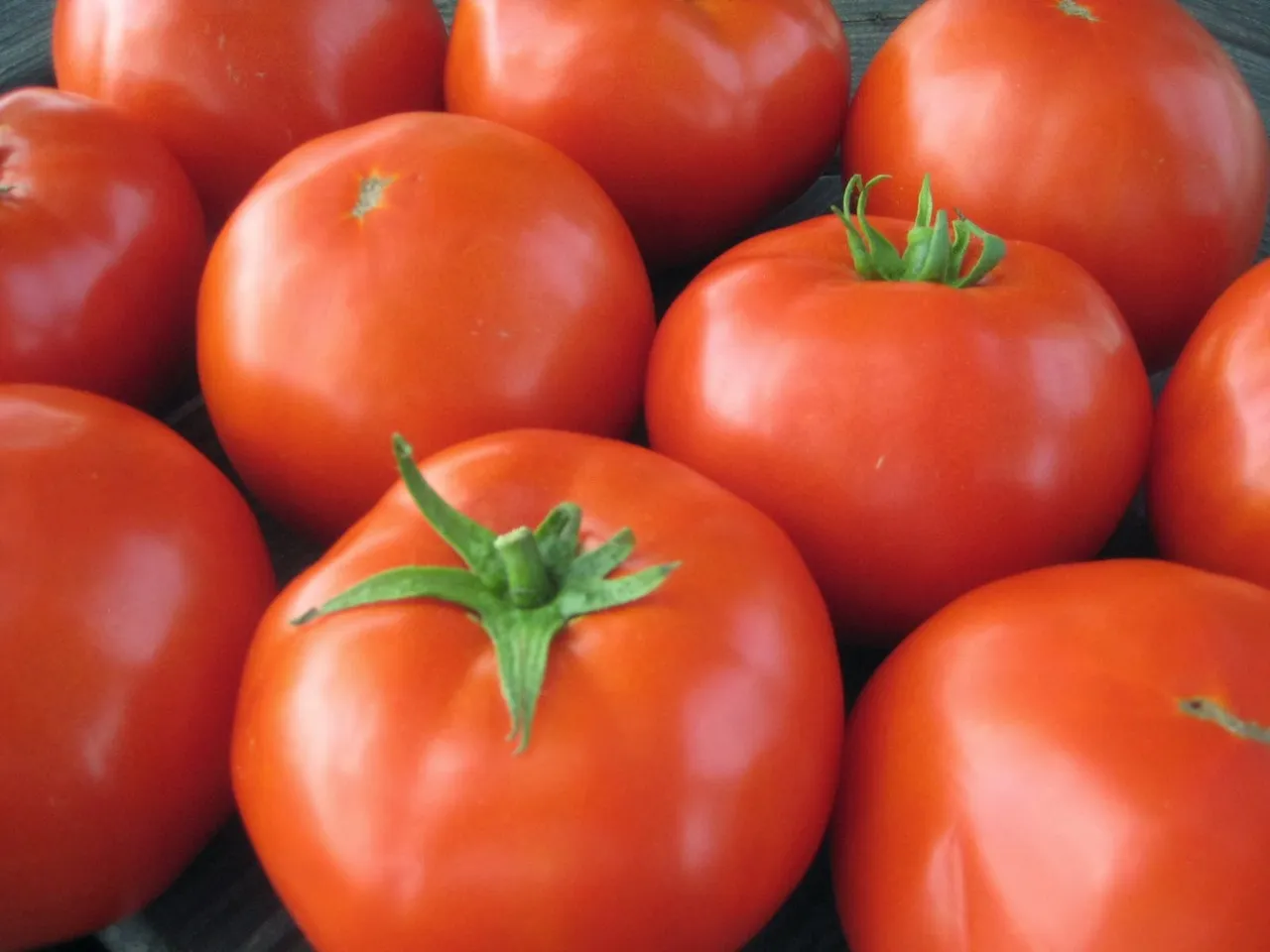
Boost the disease resistance in your tomato patch with BadaBing! Tomato. This large cherry tomato boasts resistance to septoria leaf spot, early blight, late blight and other diseases. You’ll enjoy the 1.5-inch diameter juicy red fruit that resists cracking. This indeterminate tomato will keep flowering and fruiting until frost but only grows 36 to 40” tall.
It was selected as a regional winner in the Great Lakes, Heartland, Mountain/Southwest and the Southeast. AAS judges praised BadaBing! for its productivity, flavor and meaty texture.
Check out other AAS winning vegetable and flower varieties. This nonprofit organization has been trialing never-before-sold varieties and selecting winning plants for home gardeners for more than 90 years. Trial gardens are located at seed companies, universities and botanical gardens. Judges are volunteers who monitor and rate varieties’ performance compared to similar varieties already on the market.
Plan a visit to one of the nearly 200 AAS Display Gardens located at public gardens, extension offices and some retailers. You’ll have a chance to see the winners in a garden setting to help you plan for future additions. In the meantime, look for the AAS Winner logo when searching catalogs and your favorite garden center.
Melinda Myers has written more than 20 gardening books, including the recently released Midwest Gardener’s Handbook, 2nd Edition and Small Space Gardening. She hosts The Great Courses “How to Grow Anything” instant video and DVD series and the nationally-syndicated Melinda’s Garden Moment radio program. Myers is a columnist and contributing editor for Birds & Blooms magazine, and her website is MelindaMyers.com, which features gardening videos, free webinars, monthly gardening tips, and more.