In the Garden: Tips for growing tomatoes
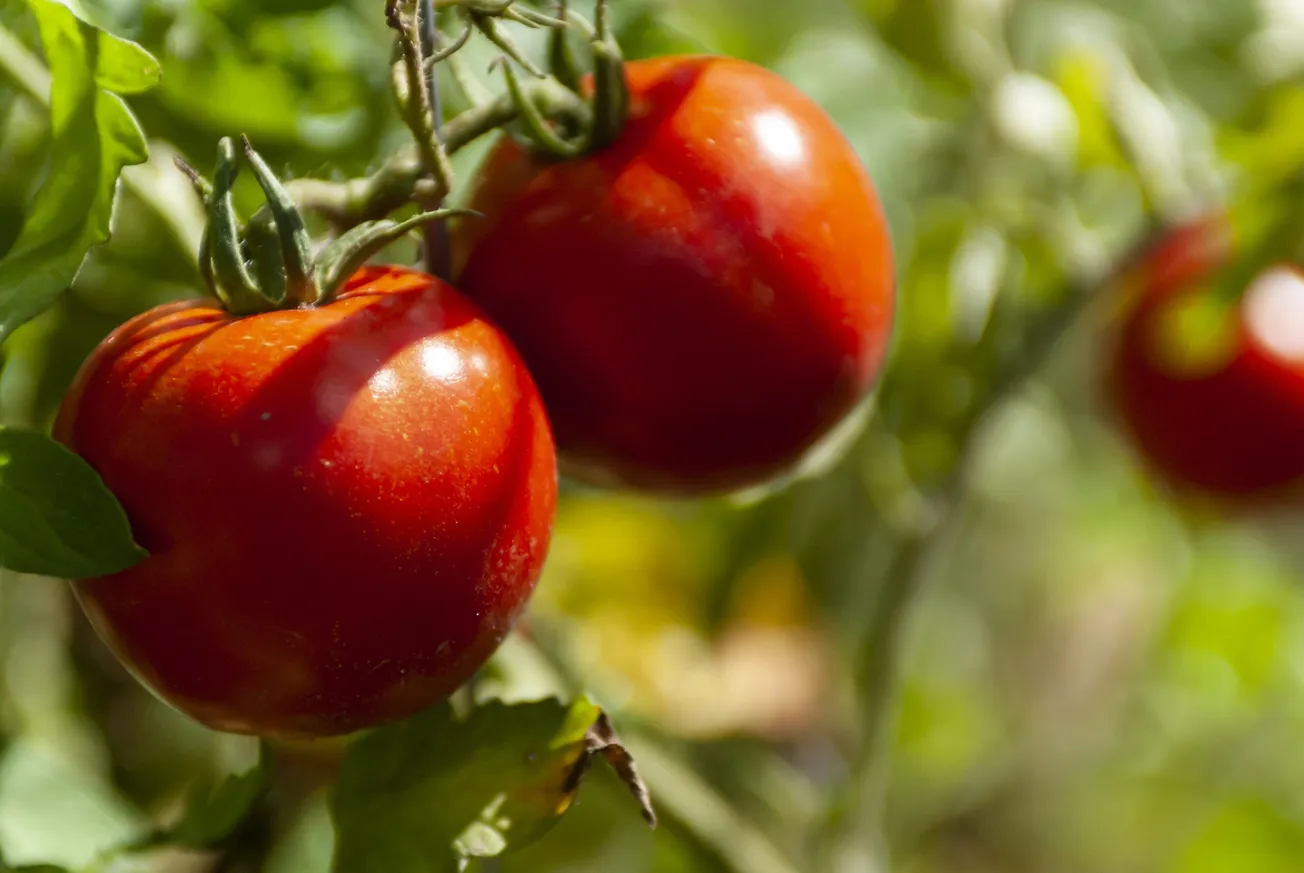
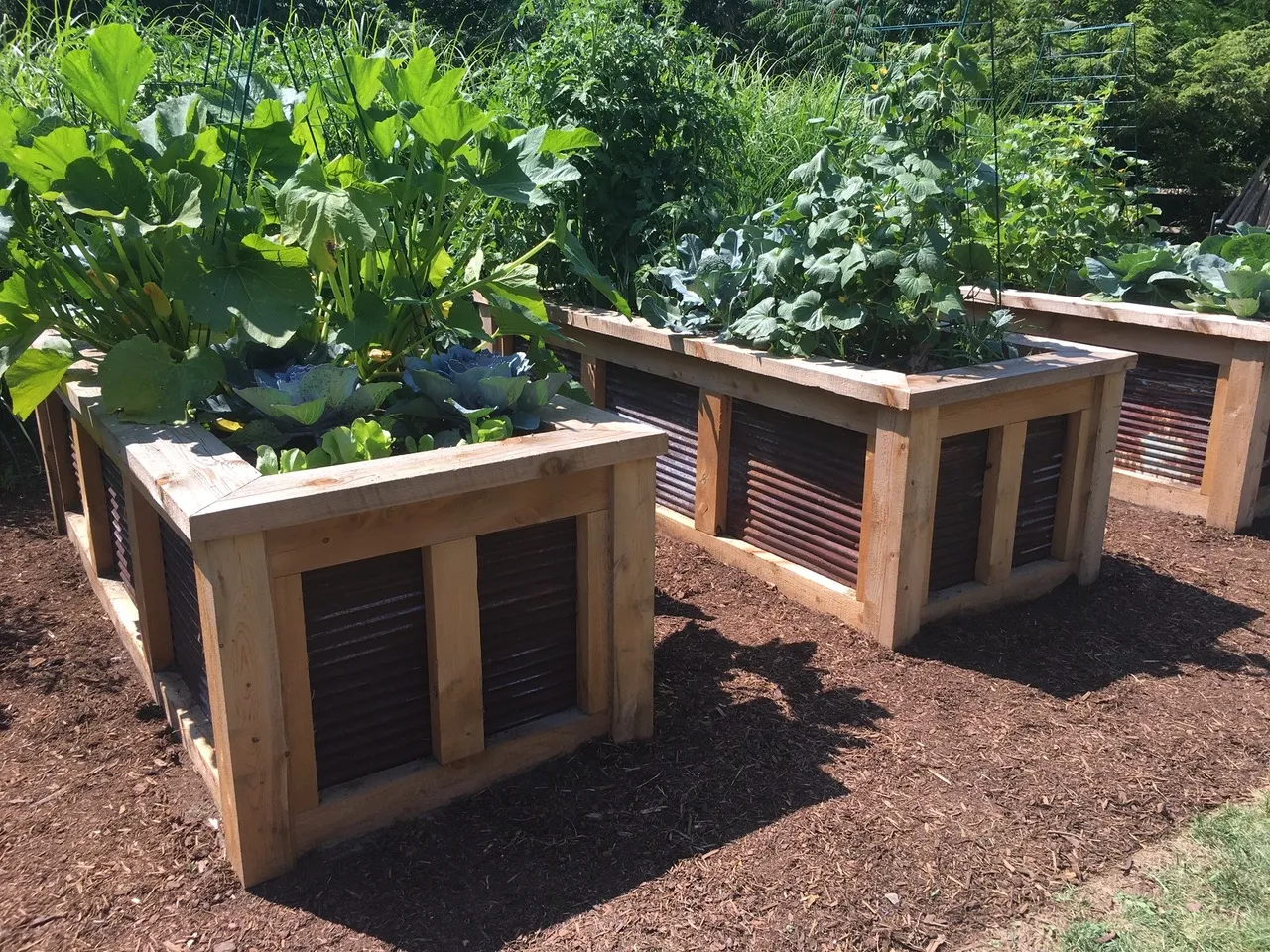
Enjoy the fresh-from-the-garden flavor of homegrown tomatoes. Grow one or more in a container, a dedicated vegetable garden, or plant them with flowers in garden beds.
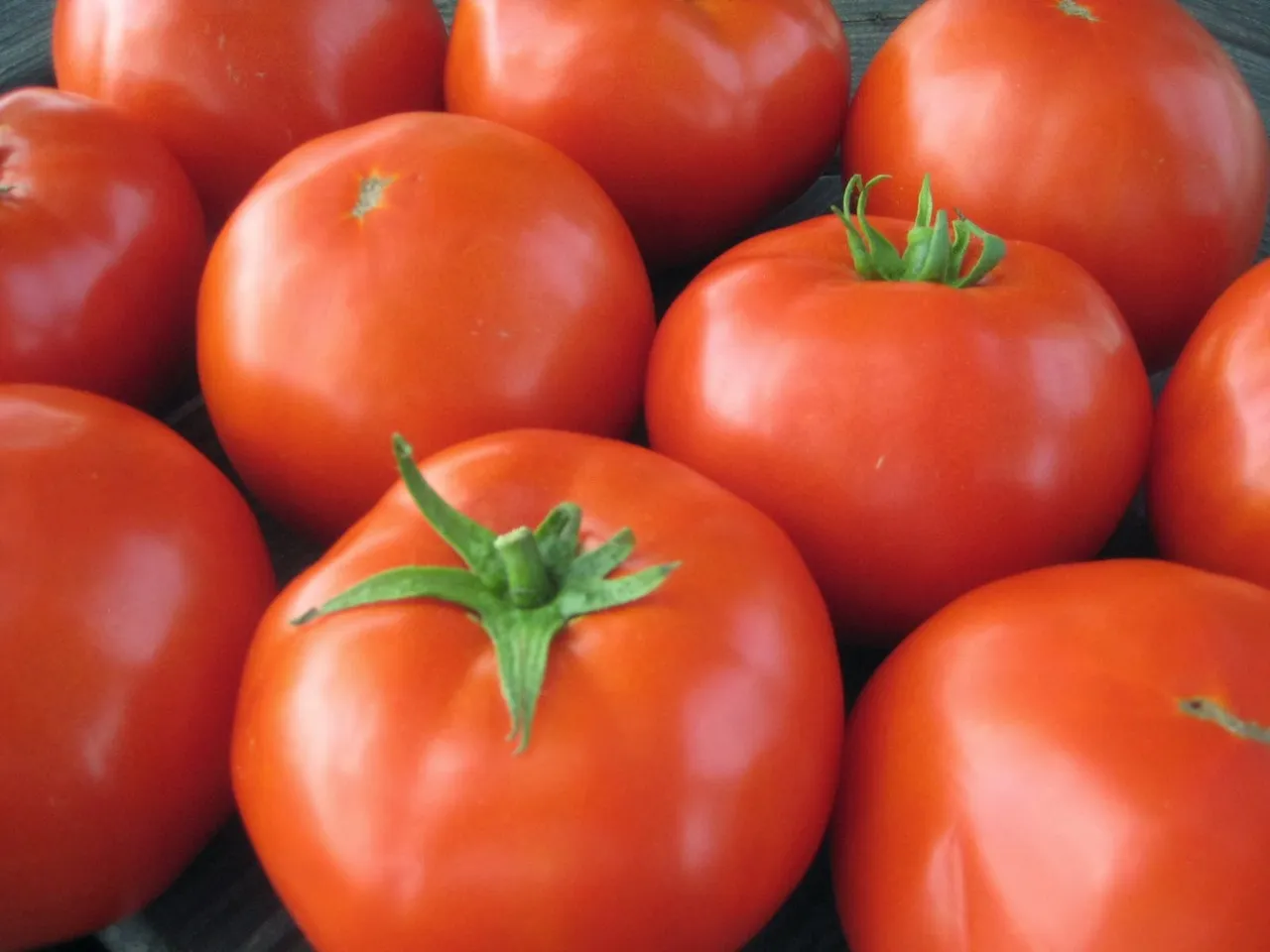
Purchase transplants from a local garden center if not starting plants from seed at home. Check the tags and select varieties suited to how they will be used. Grow bite-sized cherry, plum or cocktail tomatoes to use in salads, on relish trays, and for snacking. Include a few paste tomatoes, like Romas, with meatier fruit for making sauces and soups. Don’t forget about slicers, like Big Beef, Beefsteak and Better Boy, to enjoy on sandwiches, grilled, or on their own.
Prepare plants that will be moved from under lights indoors or a sunny greenhouse to the growing conditions in the garden. Start the hardening off process one to two weeks prior to planting outdoors. Stop fertilizing the plants and move them outdoors to a shaded location. Each day, increase the amount of direct sun the plants receive. Be sure to cover or move the plants indoors whenever there is a danger of frost.
Once hardened off and the soil is prepared, it’s time to plant. Carefully slide the plant out of the container. Gently loosen the roots of pot-bound transplants to encourage them to grow into the surrounding soil. Remove any flowers or small fruit so the plant can focus its energy on developing a robust root system and becoming a more productive plant.
Plant tall, leggy plants deeper to encourage roots to develop along the buried stem. Dig a trench, remove the lower leaves and set the plant on its side in the trench. Carefully bend the stem upright, then cover the portion in the trench with soil and water.
Set stakes and towers in place at the time of planting to avoid root damage. Training tomatoes keeps the fruit off the ground, reducing insect and disease problems. That means more fruit to harvest and enjoy.
Train tomato plants on to stakes for an earlier, but smaller harvest than those grown in cages. Grow plants with less effort in sturdy towers or cages. There will be more tomatoes to pick, but a bit later with this method. Plants left sprawled on the ground yield the largest harvest, but many fruits are lost to disease, insects and gardeners’ feet.
Shorten the time to harvest and help manage weeds with the help of floating row cover, clear plastic or cloches. Use these to cover the properly prepared planting space a week or two before planting. Once the soil is warm, lightly cultivate the soil to kill any weeds that have sprouted. Do not dig deep, which brings more weed seeds to the surface to begin growing. Use row covers or cloches to protect plants from early season cold temperatures and frost.
Further shorten the time to harvest by planting early ripening varieties, like Early Girl, Fourth of July and Fantastico. Check the catalog description or plant tags for the number of days between planting and harvest. Growing these or other early ripening varieties means you’ll be enjoying fresh tomatoes sooner.
Always water plants thoroughly when the top few inches of soil are crumbly and moist. Avoid overhead watering which increases the risk of disease. Instead, apply water directly to the soil surface, using a watering wand, soaker hose or drip irrigation. Extend the time between watering and increase success with mulch. Spread a two-inch layer of shredded leaves, weed-free straw, or evergreen needles over the surface around plants. This will conserve water, suppress weeds, and improve the soil as the mulch decomposes.
With proper planting and care, there will be a bounty of tasty, garden-fresh tomatoes to harvest and enjoy.
Melinda Myers has written more than 20 gardening books, including the recently released Midwest Gardener’s Handbook, 2nd Edition and Small Space Gardening. She hosts The Great Courses “How to Grow Anything” instant video and DVD series and the nationally-syndicated Melinda’s Garden Moment radio program. Myers is a columnist and contributing editor for Birds & Blooms magazine, and her website is MelindaMyers.com, which features gardening videos, free webinars, monthly gardening tips, and more.